

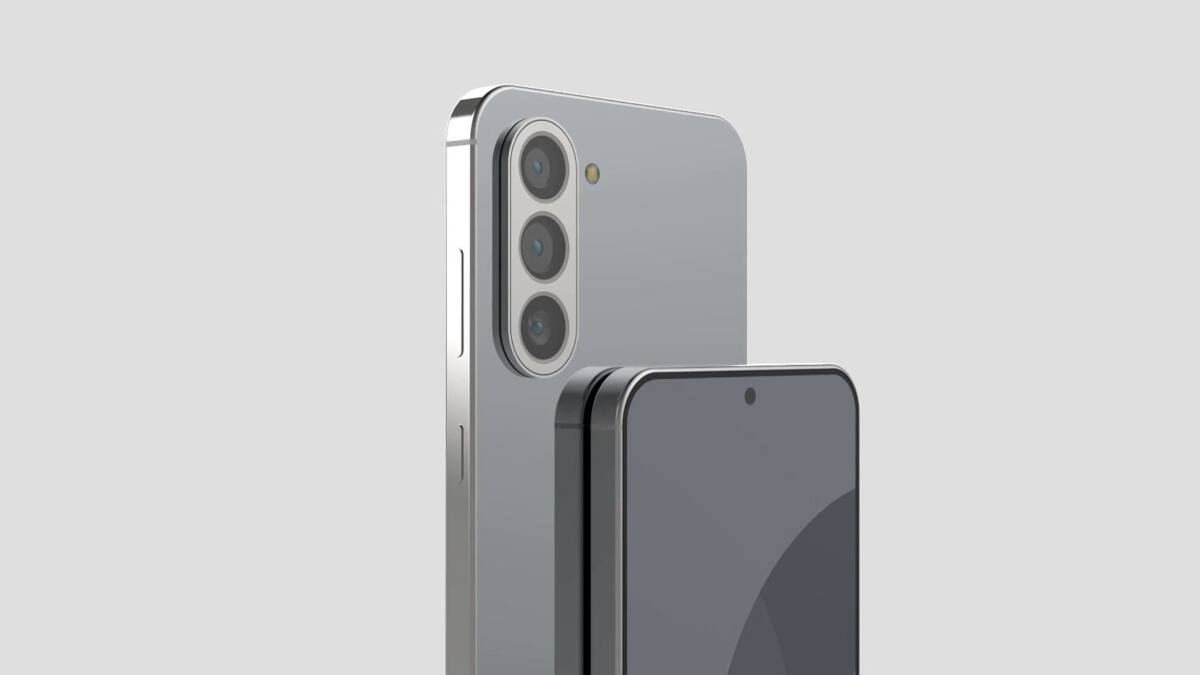
Midrange phone buyers have stopped caring only about headline specs. They want long battery life, sensible cameras and software that doesn’t age out after a year – and phone makers are responding. Samsung’s latest clue that it’s tuning the A-series for those priorities arrived this week when two new models surfaced on Singapore’s regulator.
The devices appeared in the IMDA database under model numbers A376B/DS and SM-A576B/DS – listings that typically mean dual‑SIM global variants are being cleared for sale. Certification records don’t include full spec sheets, but they do confirm the phones are moving through the regulatory process and are likely on the way to retailers.
What the leaks say
Leaks and earlier certification sightings have already sketched a likely specification split. The smaller A37 is rumored to reuse Samsung’s Exynos 1480 chipset (the same processor that powered last year’s A55), with base memory around 6GB. Camera talk points to a 50MP main sensor – possibly with optical image stabilization – plus an 8MP ultrawide and a 5MP macro unit. Battery capacity is said to be 5,000mAh with 45W wired charging, and Android 16 with One UI 8.5 is listed as the expected software platform.
The A57 looks positioned a step above: expect a newer Exynos 1680, a 6.6‑inch AMOLED display with a 120Hz refresh rate, the same 5,000mAh cell with 45W charging, and extras reported in leaks such as IP67 water resistance and stereo speakers.
Why this matters (and who benefits)
Samsung has long used the Galaxy A family to hold ground in global midrange markets. Keeping a 5,000mAh battery and adopting 45W charging is a defensive move: it satisfies mainstream buyers who prize run‑time and fast top‑ups without forcing Samsung into a price war over ultra‑fast charging that Chinese rivals often use to headline their offers.
Software support is another lever Samsung can still play. Where many competing brands chase specs, Samsung sells longevity – longer firmware updates and a familiar One UI experience. That still matters to buyers who want a phone to last three years rather than be replaced the moment the next spec sheet dazzles.
Where Samsung risks falling short
Relying on Exynos chips in midrange models is efficient, but it cuts both ways. Historically, Exynos silicon has been uneven versus Qualcomm equivalents in performance and thermal behaviour, and public perception around that gap hasn’t fully healed. If Samsung leans on Exynos 1480 and 1680 without clear performance or efficiency wins, reviewers and enthusiasts will notice.
Meanwhile, 45W charging is sensible but not spectacular. Several competitors have moved the bar – and marketing – by offering much higher advertised charging speeds. Consumers who shop by the number will spot the difference, even if real‑world battery life and longevity are better judged by daily drain and thermal management than peak watts.
The broader context
Midrange product lines have become Samsung’s most strategically important segment outside flagship buyers. The company balances cost, supply‑chain control and a global retail footprint better than most rivals, which is why Galaxy A models regularly perform strongly in sales charts worldwide.
At the same time, global competition is fierce: brands from China and elsewhere keep packing midrange phones with high refresh rate displays, aggressive camera stacks and very fast charging to grab attention. Samsung’s approach here looks incremental rather than radical – choosing reliable battery size, IP resistance and stereo sound over headline‑grabbing one‑ups.
What to expect next
The IMDA entries are a regulatory checkpoint, not a launch date. That said, based on Samsung’s past release cadence, a March 2026 debut for the pair wouldn’t be surprising. Expect official specs, pricing and regional availability to appear in the coming weeks.
If Samsung wants these A models to matter, it needs to do two things: price them tightly against competitive midrangers, and make the case that real‑world battery and software experience matters more than headline charging numbers. Otherwise the A57 and A37 risk being sensible phones that get lost in a market increasingly driven by marketing stunts.
Either way, the certified model numbers – A376B/DS and SM‑A576B/DS – are a neat reminder that the quiet work of shipping hardware is already underway. The splashy part, when Samsung turns up the marketing and the stores, will tell us which of these tradeoffs it chose for buyers.