

On the evening of Tuesday, Feb. 17, what looked like a routine service hiccup turned into a global reminder: when discovery breaks, so does the internet’s most used video platform. Problems began around 8:00 p.m. ET and quickly ballooned into nearly a million user reports in the U.S. alone – DownDetector recorded 837,973 error reports – with users in Canada, Brazil, the UK and Germany also affected. By 9:26 p.m. ET, YouTube said the outage was caused by an issue with its recommendations system; at 10:19 p.m. ET the company announced the problem had been solved.
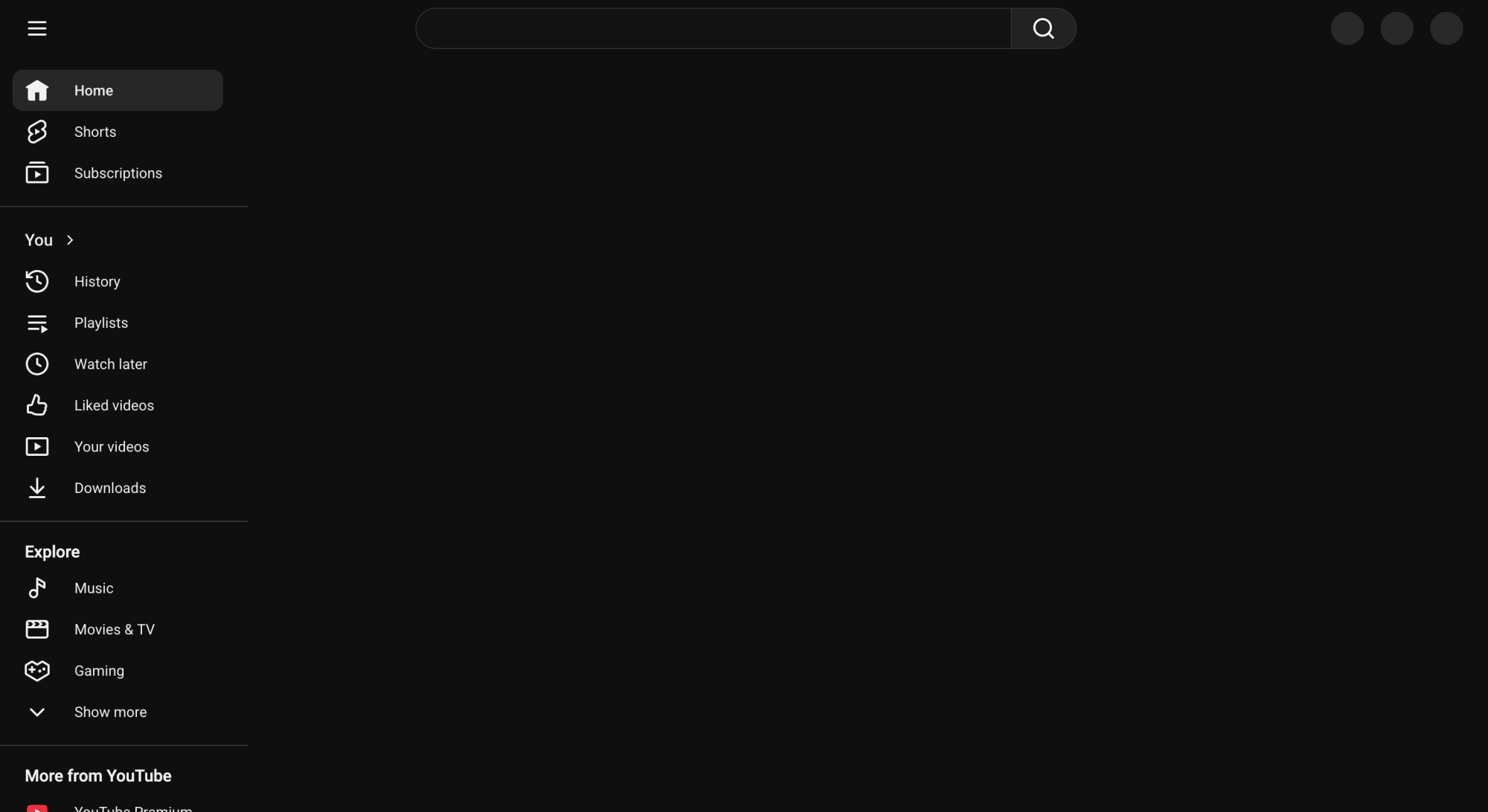
For many users the site loaded to a black screen with only the sidebar and search bar visible. DownDetector’s breakdown of reports showed 46.7 percent of complainants had trouble with the YouTube app, while 21.1 percent reported issues on the website – symptoms consistent with a failure in a shared backend service that feeds both front ends.
”The homepage is back, but we’re still working on a full fix – more coming soon!”
TeamYouTube
That tweet – and YouTube’s earlier acknowledgements that homepage, recommendations, search and uploads were impacted – make clear what went wrong: not the video files themselves, but the discovery layer that tells users what to watch next. That’s a critical distinction. The videos were still on Google’s servers, but if the machine that decides what to show you is offline, most viewers experience an effective blackout.
Why this matters
We’ve seen platform outages before – major social networks and cloud services have had headline-making failures in recent years – but this one highlights a structural risk that comes with building a service around algorithmic recommendations. When a single subsystem handles feed generation, ranking and personalized discovery, its failure cascades: creators lose views and ad revenue, advertisers see inventory vanish, and the platform loses engagement and trust.
Winners and losers are easy to pick out. Short term, rival apps that rely less on a single centralized ranking service or that nudge users toward chronological or curated lists can pick up attention. Creators who publish exclusively on YouTube lose the most: uploads may fail to register, scheduled drops can miss critical windows, and even after the system comes back there’s no guarantee their traffic will recover. YouTube itself pays the brand cost – frequent or prolonged outages are leverage for both competitors and regulators.
Not the first time discovery proved fragile
History offers precedents. Platform outages that knock out discovery or posting have repeatedly exposed business-model fragility: creators dependent on a single service are repeatedly the ones left scrambling. In other incidents, companies have had to explain why a single control plane could take down large parts of user experience. The pattern is familiar enough that any large, centralized recommendation engine should be treated as a single point of failure.
What YouTube – and platforms like it – should do next
Expect a short-term technical response: engineers will harden redundancy, add failover paths for feed generation, and build more robust observability into recommendation pipelines. There’s also a communications problem to fix: users and creators want fast, specific status information and better timelines for resolution.
But there are strategic moves YouTube could consider that go beyond nuts-and-bolts fixes. A simple, read-only fallback UI that serves recently trending or chronological content when personalized recommendations fail would reduce the pain of outages and blunt creator losses. Clear outage-impact policies – including how view data is reconciled and whether creators are compensated for lost monetization windows – would also help restore trust.
What creators and advertisers should do now
This outage is a reminder that platform concentration is a business risk. Practical steps creators should take: diversify distribution (post teasers on other services, keep an email list, use community posts and Discord), keep local copies of uploads and metadata, and consider scheduling on multiple platforms to avoid single-point blackout effects. Advertisers should factor platform outage risk into buying decisions and contingency plans for campaigns tied to specific drops.
The outlook
Short term, YouTube’s engineers will restore confidence and declare lessons learned. Long term, these incidents add pressure on platforms to design for graceful degradation and to be more transparent with creators about how system failures affect earnings. Regulators and industry groups are already watching platform power; repeated outages that materially harm businesses built on a single service make a stronger case for rules around portability, data access and outage remediation.
For users the immediate lesson is simple: the internet’s biggest stages are powerful and convenient – and occasionally brittle. For anyone who depends on those stages for income or reach, the only reliable hedge is diversification.