

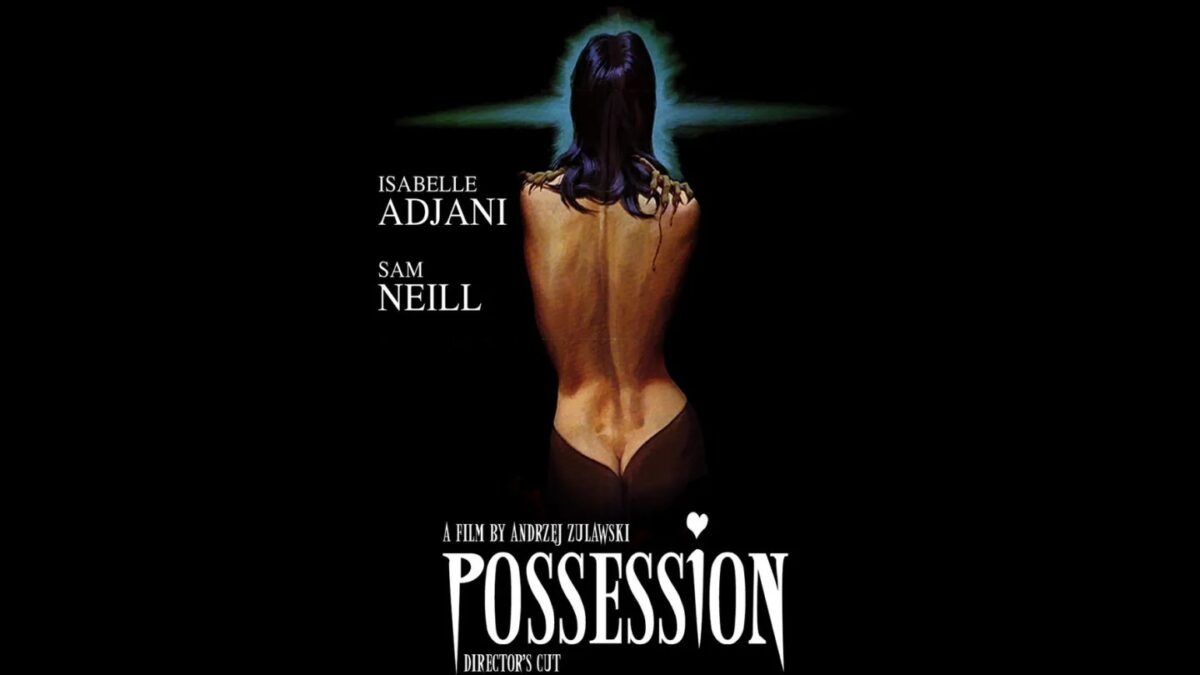
Movies about failing marriages are a dime a dozen. Few turn that domestic collapse into a half-psychological, half-cosmic horror that still makes viewers gasp decades later. Andrzej Żuławski’s Possession does exactly that: it starts as a relationship drama and, scene by scene, escalates into body horror, surrealism and pure, exhausting performance.
A domestic story that keeps mutating
At its surface Possession is straightforward: Mark (a very young Sam Neill) and Anna (Isabelle Adjani) are separating in cold, divided Berlin. But Żuławski refuses a tidy melodrama. He films the break-up as if it were an excavation of the self, and then digs into places most films won’t go – sexual violence, psychosis, and a grotesque creature that becomes both lover and mirror to the protagonists.
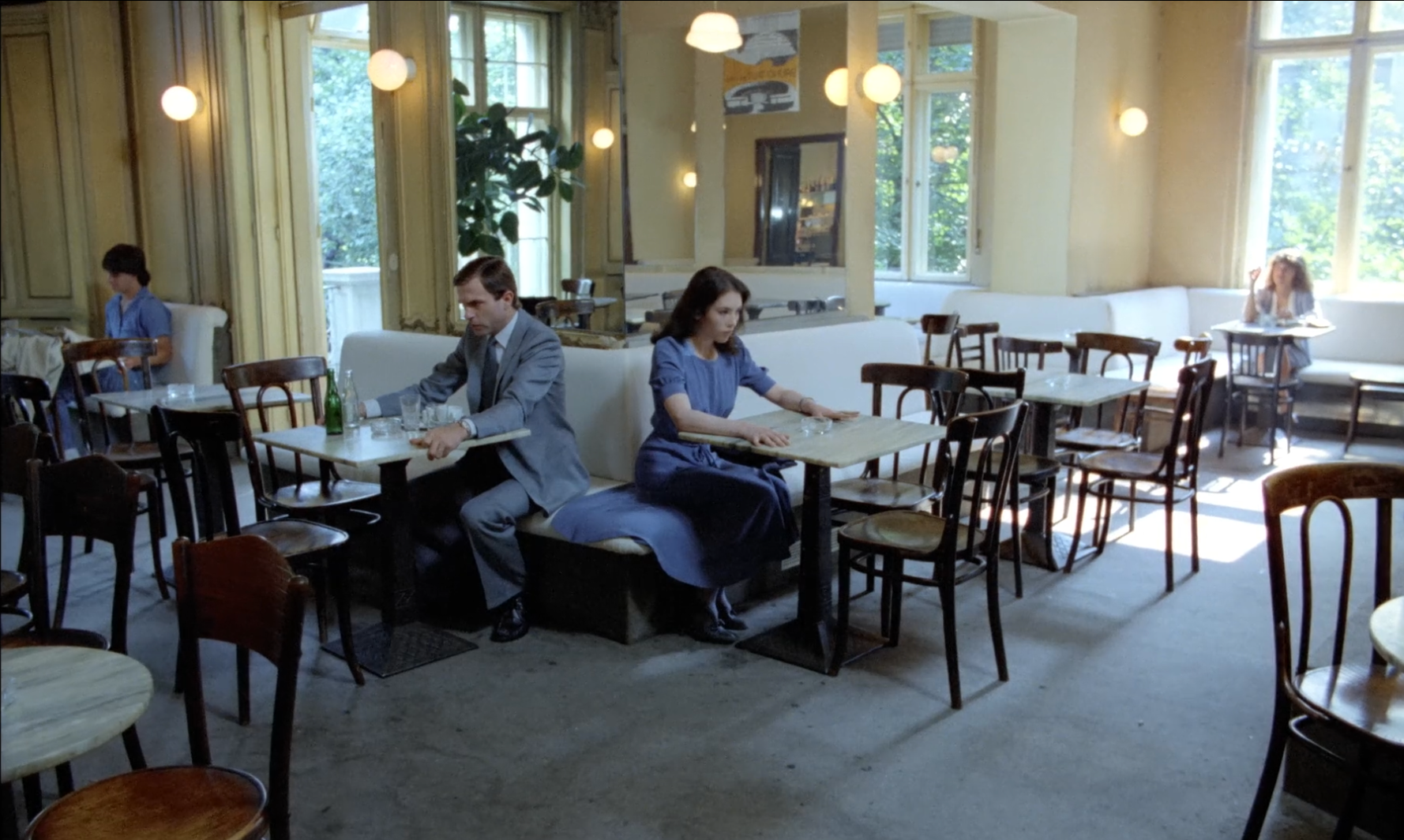
Isabelle Adjani’s performance is the film’s electric center: volatile, ferocious and raw in a way few screen actors risk. Sam Neill holds his own as a man driven toward violence and despair. Heinz Bennent’s Heinrich, slipping between menace and absurdity, completes an on-screen triangle that never settles into realism.
Why the monster matters
What shocks many viewers isn’t only the presence of a monster – created by effects artist Carlo Rambaldi, who later won Academy Awards for work on films such as Alien and E.T. – but how the creature reframes the story. It’s less a jump-scare prop and more a corporeal allegory for possession in the emotional sense: jealousy, ownership, reproductive control and the yearning to remake a partner into an ideal.
Żuławski layers the film visually and tonally: long, painterly shots that give way to convulsive set pieces, culminating in scenes (the subway sequence being the most infamous) that are physically demanding to watch. The film resists simple explanation – that ambiguity is part of its lasting appeal.
A rough welcome, then a cult afterlife
Possession premiered at Cannes in 1981 and left audiences shaken; press coverage at the time documented polarized reactions and a tense press room atmosphere around the film. It flopped in conventional terms but found a second life on late-night screens, midnight cinemas and among critics and filmmakers who prize difficult, uncompromising work.
That afterlife is important because the film doesn’t fit tidy genre boxes. It sits at the intersection of arthouse psychodrama and body-horror taxonomy – a hybrid that later directors have mined in different ways. Where David Lynch and David Cronenberg split surrealism and bodily decay, Żuławski blends them into marital breakdown.
Where it sits in horror’s family tree
Possession’s influence is less about direct homage and more about permission: it showed you could treat domestic anguish with the visual language usually reserved for supernatural dread. Films that followed – think of the domestic-transgressive threads in Antichrist and more recent psychological horrors like Hereditary – owe something to that willingness to fuse intimate trauma with extreme imagery.
It also has a formal precedent. David Lynch’s Eraserhead and Roman Polanski’s Repulsion used surreal, nightmarish visuals to externalize inner collapse; Żuławski pushed that same impulse into explicit body-horror territory and theatrical performance.
Who wins and who gets burned
Film scholars, genre fans and actors who study extreme performances win: Possession is a masterclass in unhinged screen work and in using cinematic form to interrogate gender and control. Mainstream viewers expecting a tidy horror flick lose out – the film is intentionally destabilizing and often repellent.
There’s also a cost to the make-it-or-break-it method Żuławski used. Public accounts of the production and press events describe actors pushed to their limits; Adjani has been associated with a damaging psychological aftermath from the shoot, a reminder that boundary-pushing cinema can have real human consequences.
What the film doesn’t say (but hints at)
Read straightforwardly, the monster is either literal or a hallucination. Read politically, the film is about ownership – of bodies, of emotions, even of ideology – and Berlin’s divided geography doubles as an external signpost of separation and paranoia. Żuławski gives you symbols but refuses to tidy them into an authorial thesis; that refusal makes the film fertile for interpretation and debate.
Why go back now
Streaming and archival programs have made Possession easier to find than it was for a long time, and that accessibility matters. Contemporary viewers who’ve seen the film’s aesthetic descendants will spot echoes and trace ideas back to Żuławski’s volatility. For anyone studying how cinema represents intimate collapse without sanitizing it, Possession remains one of the boldest manuals.
That said, it remains a polarizing watch. Don’t expect a coherent puzzle where all pieces click into place. Expect a film that insists on sensation and on the painful business of looking at desire, control and loss until they are nearly unrecognizable.
The verdict
Possession is not for comfort-seekers. It’s an ambitious, often brilliant fusion of performance, design and outrageous special effects that turns a domestic rupture into an almost mythic crisis. If you care about cinema that risks looking unstable to get at deeper truths, return to Żuławski’s film. If you want neat answers, look elsewhere.