


Player reviews are about to get a lot more useful – at least for performance complaints. A Steam Client Beta update released on Thursday adds an option that lets reviewers attach their PC hardware specs to a review, and it also introduces an opt‑in for sharing anonymized framerate data. That could make it easier to tell whether a bad experience comes from a game or from a player running below a title’s recommended minimum. The change won’t force anyone to share details – the specs attach via a checkbox next to the review text box – but it nudges the platform toward reviews that actually explain why a game runs poorly for some users.
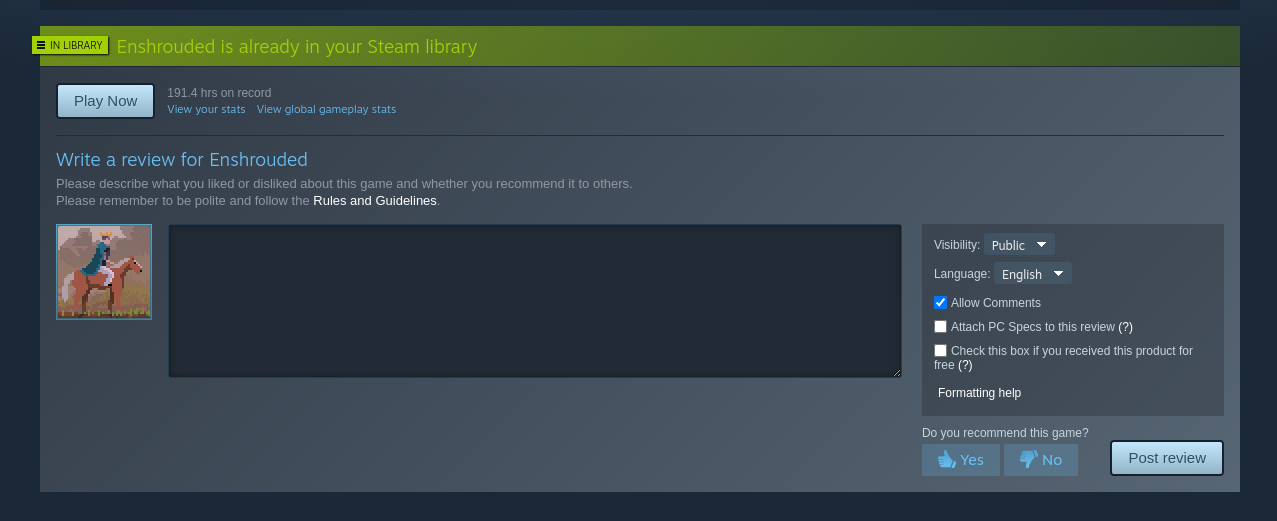
Until now, Steam users could manually paste their specs into review text, but that rarely happened. Steam’s new option automates the process: a simple checkbox beside the review editor will attach a user’s hardware information when checked. If someone posts a negative review or reports performance issues, the attached specs can make it obvious whether those problems stem from the player’s rig – for example, if their hardware falls below a game’s recommended minimum – instead of the game itself.
The beta also introduces a setting to share anonymized framerate telemetry with Valve. According to Valve’s update notes, this data will be “stored without connection to your Steam account” and the company plans to use it to monitor compatibility and improve Steam. Right now that option is focused on devices running SteamOS, Valve’s Linux‑based operating system that powers the Steam Deck, though the wording implies Valve could expand collection later.
There are clear benefits for developers and shoppers. If more reviews come with specs, patch notes and compatibility warnings could become more targeted, and storefront summaries might better separate user problems caused by hardware from genuine bugs. “When reviews include context about the system they were run on, it reduces noise and helps both players and developers prioritize fixes,” says Elliot Marlowe, senior analyst at GameData Insights. “This feature should improve signal in review sections, provided Valve keeps the privacy controls straightforward.”
Privacy will be the obvious sticking point. Valve’s checkbox approach and the assurance that framerate telemetry is “stored without connection to your Steam account” aim to reassure users, but that phrase alone won’t settle every concern. Players who value anonymity can simply leave the box unchecked, and the telemetry is described as anonymized, yet people will want clear documentation on exactly what data gets sent, how it’s aggregated, and when Valve intends to broaden collection beyond SteamOS.
What to watch next
Expect the beta to surface a few implementation debates: will Steam summarize common spec-related complaints at the store level, or keep the data attached only to individual reviews? Will developers get access to anonymized rollups that reveal real-world performance across GPUs and CPUs? Valve’s initial SteamOS focus suggests they’ll iterate slowly, starting with telemetry where they already control the hardware environment – the Steam Deck – before expanding to the wider PC ecosystem.
If Valve executes this well, the change could finally make Steam reviews more diagnostic and less emotional. If they don’t, it will be another setting buried in menus that most users ignore. Either way, watch for clearer UI cues in the beta and for developer-facing reporting tools in the months after rollout.
For now, the feature is optional: the specs attach via a checkbox next to the review editor, and the framerate option is opt‑in and currently focused on SteamOS devices like the Steam Deck. Developers, reviewers, and privacy advocates will all have reasons to pay attention as Valve tests this in the beta program and decides whether to push it to the wider client.
Ultimately, this is a small but sensible step toward reviews that actually help buyers pick a configuration that works. If Valve follows up with clear controls and transparent telemetry documentation, players should see fewer “it ran fine for me” posts and more useful reports that point straight to whether a PC or a game needs the fix.