

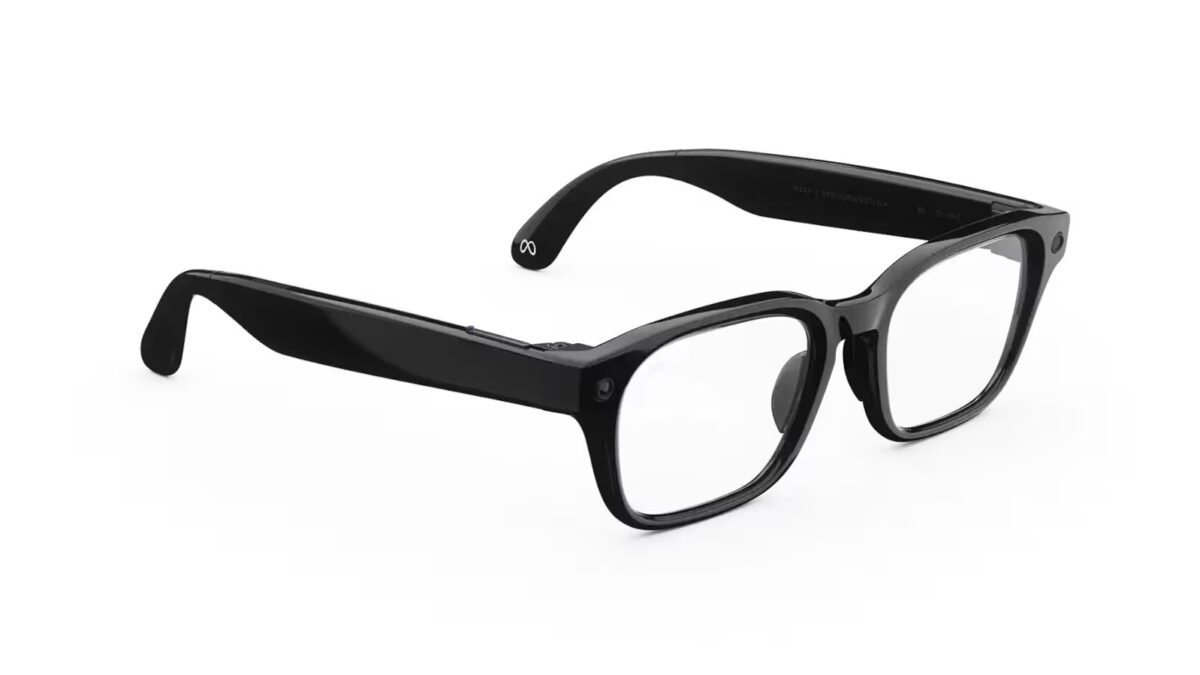
Starting July 20, visitors to New York state courts will no longer be allowed to wear smart glasses inside courtrooms. This ban covers the entire Unified Court System-1,240 courts ranging from city to district levels. Any smart glasses must be handed over to court officers for safekeeping before entry, including models with prescription lenses.
The new rules apply to all glasses and headwear equipped with cameras or microphones within court buildings. That includes not only obvious gadgets but also seemingly ordinary eyewear with prescription lenses that have built-in smart functions. Visitors are advised to bring a backup pair of regular, non-smart glasses.
The reasoning is straightforward: photography, video, and audio recording are already forbidden in New York courts, and smart glasses make covert recording alarmingly easy. Unlike a smartphone, which requires deliberate action to pull out, aim, and record, smart glasses can capture discreet footage almost invisibly. While these devices typically have a recording indicator light, it can be hidden, disabled by software, or removed altogether after modification.
This move follows a February incident when Meta CEO Mark Zuckerberg testified in a hearing on social media’s impact on teenagers. His accompanying staff wore Meta’s Ray-Ban smart glasses during the session. The judge explicitly reminded everyone that recording was prohibited. Meta later announced plans to enhance the glasses’ safety features-if the system detects the recording light is covered or tampered with, the camera will automatically shut off.
Smart glasses restrictions in New York courts and beyond
New York is the first US state to implement a blanket ban on smart glasses across all its courts. However, courts in Wisconsin and Pennsylvania have already restricted these devices on a case-by-case basis. Cruise lines like Royal Caribbean and MSC have limited smart glasses in sensitive areas. Illinois is also considering adding smart glasses to the list of banned devices for drivers. As Meta’s Ray-Ban and similar smart glasses gain popularity, more rules at sensitive venues are being dictated by security personnel rather than manufacturers.
Privacy challenges posed by smart glasses in courtrooms
Smart glasses blur the line between wearable tech and surveillance, posing fresh privacy challenges in environments demanding strict confidentiality like courtrooms. New York’s comprehensive ban could set a precedent for other states and institutions wary of covert recording. The next question: will lawmakers push for federal guidelines on smart wearable devices, or will the patchwork of local bans continue to grow?
Meta owns the Ray-Ban smart glasses brand. Meta is classified as an extremist organization and banned in Russia.