

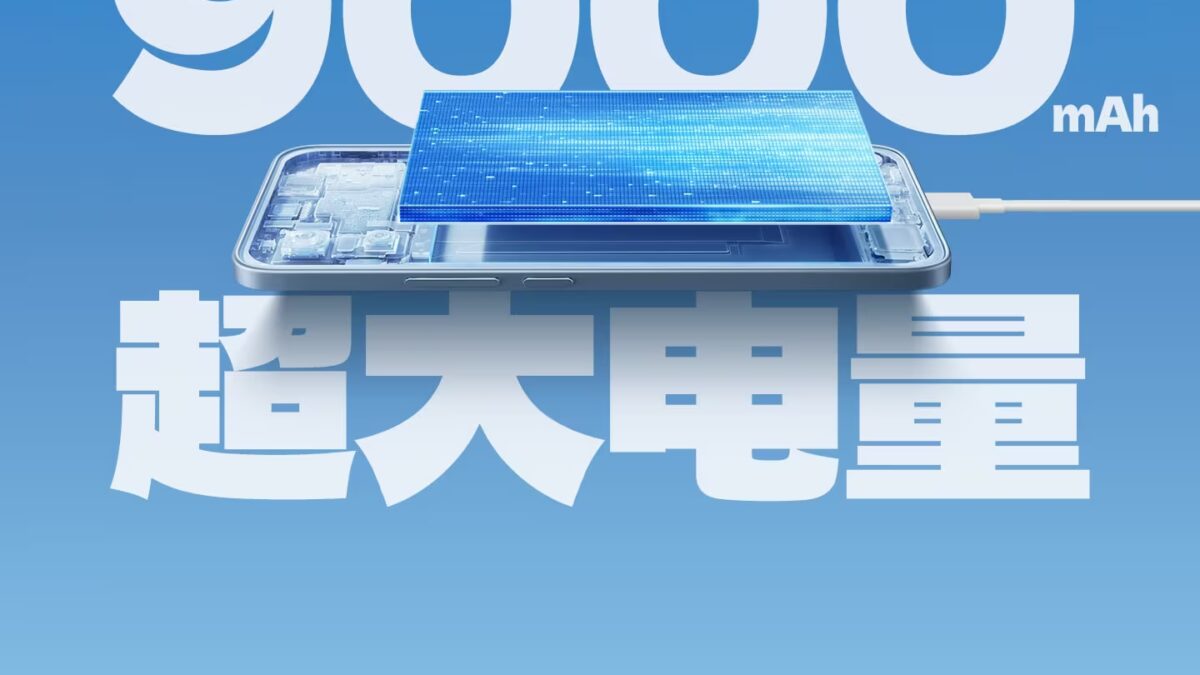
Redmi is gearing up to launch the Note 17 Pro in China on July 14, delivering a huge 9000mAh battery with 67W fast charging and a striking 3500-nit 1.5K display. The brand is pushing beyond typical midrange specs by offering a battery capacity more common in power banks, plus a five-year battery replacement guarantee-features that could shake up the affordable smartphone segment.
Xiaomi’s Redmi confirmed the Note 17 Pro will house a 9000mAh battery from their Jinshajiang line. Beyond fast wired charging at 67W, it supports reverse wired charging at 22.5W, enabling it to recharge accessories or even other phones. The battery also earned a five-star TÜV SÜD certification for quality, a rare endorsement that suggests durability and safety.
What really stands out is Redmi’s extended battery support program. Early buyers get a free five-year battery care service. If the battery capacity drops below 80% within four years, Redmi will replace it at no charge. On the fifth year, if replacement is needed, they’ll upgrade to a larger 10,000mAh battery instead of the standard 9000mAh-offering extra longevity that’s almost unheard of in the midrange smartphone space.
Redmi Note 17 Pro display and durability features
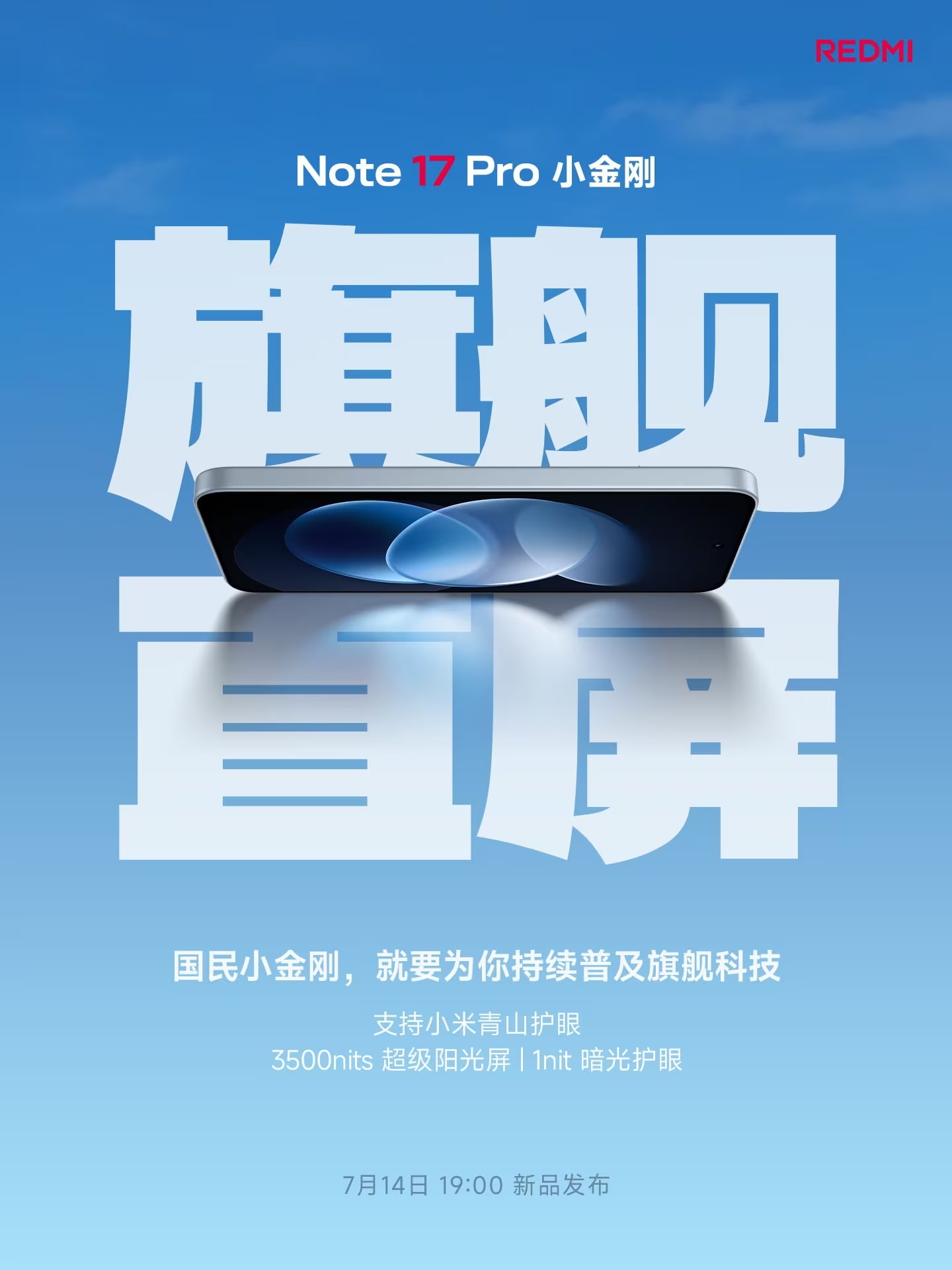
The phone features a flat 1.5K panel with a peak brightness of 3500 nits-bright enough to handle direct sunlight with ease. The display is protected by Corning Gorilla Glass Victus 2, a top-tier screen shield among phones today. Redmi backs up this toughness with dual five-star SGS and CQC certifications for drop resistance.
- 9000mAh battery capacity
- 67W wired fast charging
- 22.5W reverse wired charging to recharge accessories or other phones
- Flat 1.5K resolution display with up to 3500 nits brightness
- Gorilla Glass Victus 2 protection
- IP66, IP68, IP69, and IP69K water and dust resistance ratings
- Stereo speakers and Snapdragon 6-series chipset
Redmi is clearly targeting durability. Their demos claim the Note 17 Pro survived drops on marble from 3 meters, and the screen resisted impacts from footballs, nuts, and even durian fruit. While a bit theatrical, these tests alongside the high IP ratings and TÜV SÜD certification for up to 72 hours submerged at 2 meters suggest a build tougher than most midrange rivals.
The wider trend among Chinese smartphone makers has been increasing battery capacities, moving from the standard 5000mAh mark toward 7000-8000mAh models. Redmi’s jump to 9000mAh signals an aggressive bet on long-lasting devices that challenge the norms of slimness or weight commonly associated with large batteries. Compared to rugged phones with big batteries, Redmi manages to pack flagship-grade durability and a vivid display into a device that aims to be both tough and visually impressive.
Price details remain under wraps, but the unveiling on July 14 will reveal if the Redmi Note 17 Pro is poised to be a new star of the midrange-or a showcase of tech prowess priced at a premium. In the fiercely competitive segment below 2000 yuan, Xiaomi’s pricing strategy will be crucial in determining whether this phone finds a broad audience or remains a niche offering.
What’s worth watching next is how the Note 17 Pro balances battery heft, display brightness, and durability with everyday use-particularly handling the extra weight and thickness that come with such a large battery. If Redmi succeeds, it could redefine expectations for mid-tier phones, forcing rivals to reconsider battery life and after-sales support as key selling points.