

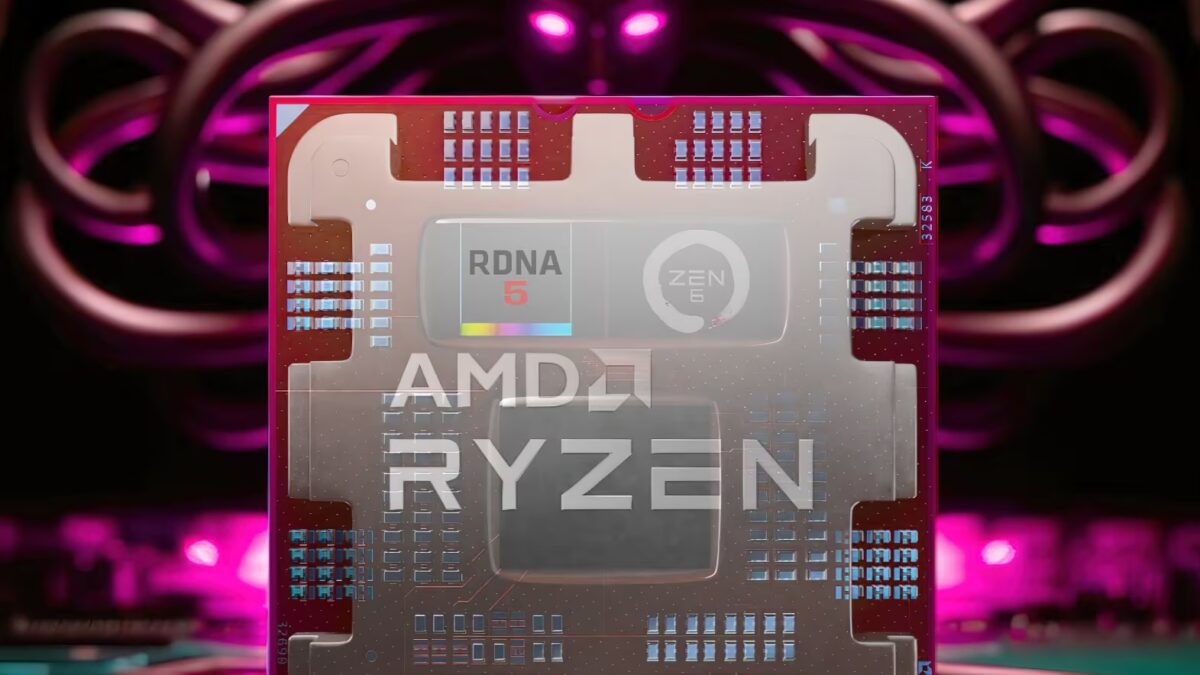
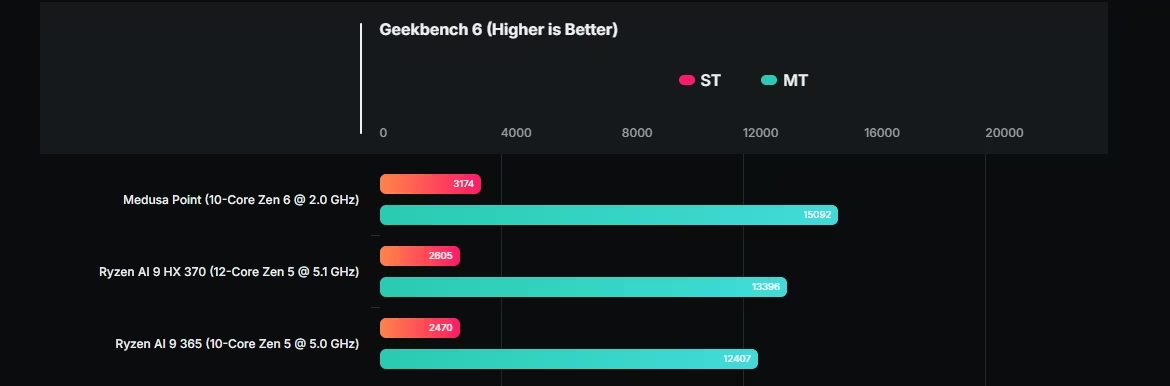
AMD’s unreleased 10-core processor, codenamed Medusa Point, has surfaced on Geekbench with impressive performance numbers that surpass even the Ryzen AI 9 HX 370. The chip’s hybrid design-combining four high-performance Zen 6 cores with six efficient Zen 6C cores-puts it ahead by a significant margin in both single- and multi-threaded tasks, signaling a major leap in AMD’s laptop CPU lineup.
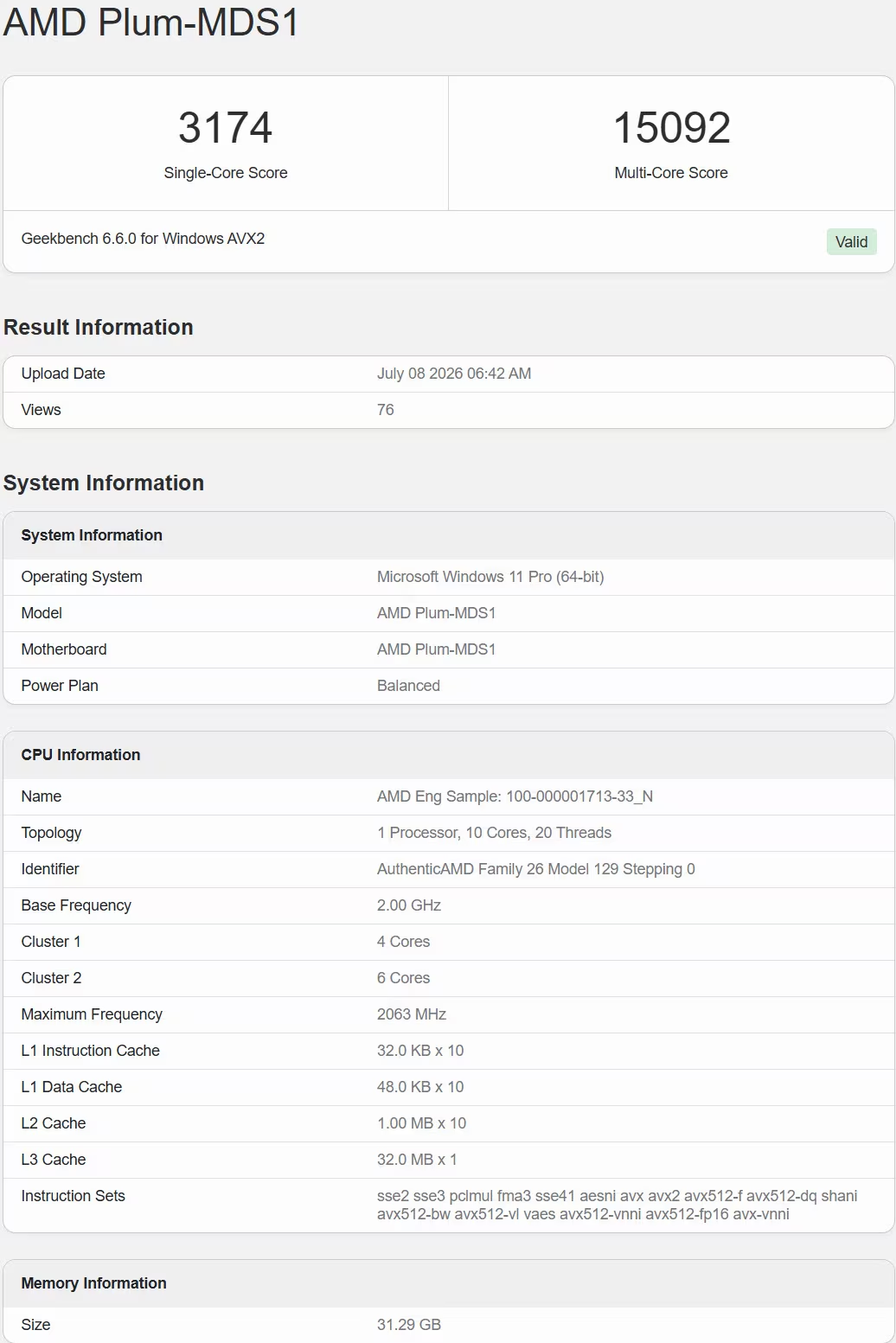
The Geekbench listing reveals a 10-core CPU without a confirmed commercial name but clearly following AMD’s hybrid architecture, featuring four Zen 6 performance cores alongside six energy-efficient Zen 6C cores. While the benchmark reports a base clock of 2 GHz, this likely reflects a misread of an engineering sample’s frequency, as such a clock speed wouldn’t realistically deliver these high scores.
Performance-wise, Medusa Point outclasses the Ryzen AI 9 365 by roughly 29% in single-core and 22% in multi-core Geekbench scores. It even outperforms the 12-core Ryzen AI 9 HX 370, a notable achievement in the mobile segment. Considering Ryzen AI 300 series processors already set a high bar for laptops running Windows with AI acceleration (branded Copilot+ PCs), Medusa Point appears poised to raise that standard further.
Additional specs from the leak include 32 MB of L3 cache and support for FP16 (half-precision floating point) calculations. FP16 support isn’t just about benchmark bragging rights-it’s important for local AI workloads integrated into modern laptops, where Microsoft and PC OEMs are increasingly focusing on in-device AI features. For comparison, Intel’s Core Ultra 200V and Qualcomm’s Snapdragon X are contemporaries targeting similar AI-enhanced computing scenarios, where raw CPU speed isn’t the only factor.
One lingering question is what AMD will call this new lineup. With the current Ryzen AI 300 brand tied to the Strix Point series, industry rumors lean toward ”Ryzen AI 500” rather than 400 for Medusa Point. Official naming and real-world performance details are expected to emerge as AMD prepares its 2026 laptop platforms. Until then, it remains to be seen how much of these leaked figures will translate into final shipping hardware performance.
AMD’s push with Medusa Point underscores the company’s aggressive strategy to reclaim mobile CPU ground from Intel and Qualcomm not just with raw power but by baking AI support directly into its silicon. As AI features become a standard expectation for productivity and creative workflows on laptops, AMD’s next-generation Ryzen AI chips will be essential to watch-especially to see if they can tip the balance toward AMD in the fiercely competitive premium laptop CPU space.