

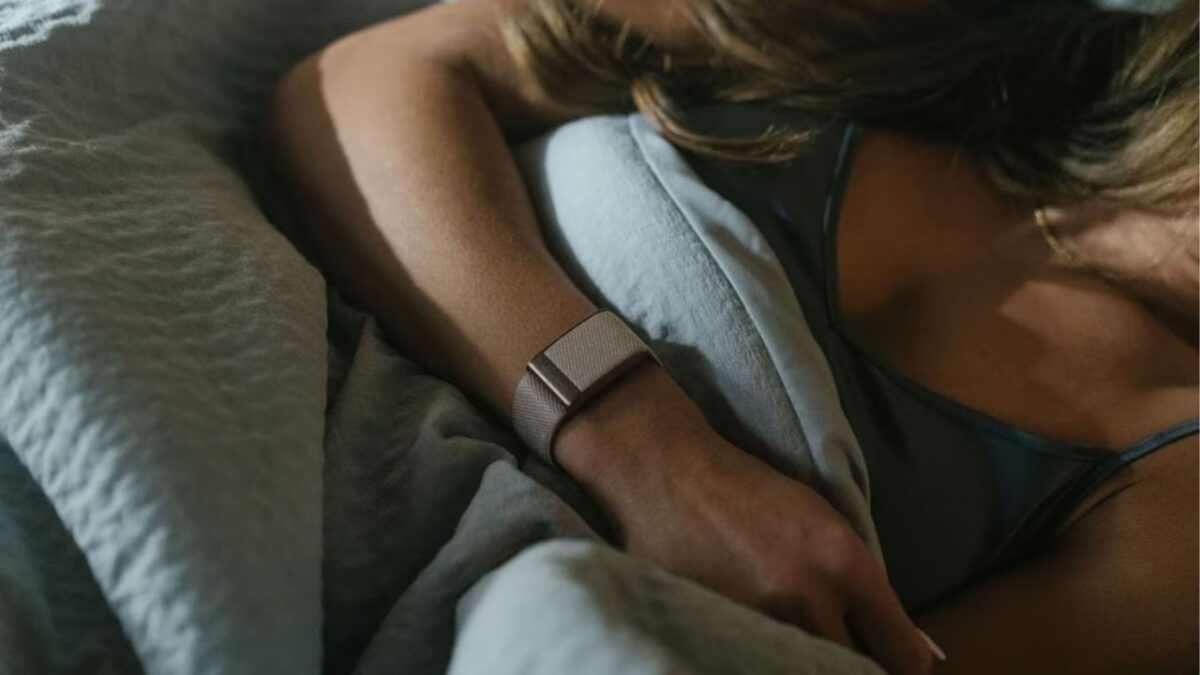
Struggling to fall asleep, waking up restless, or feeling drained come morning? Tackling sleep problems blindly is tough. Sleep trackers turn your nights into data goldmines by monitoring sleep stages, heart rate, body temperature, and more. We’ve tested the leading sleep tracking devices on the market-from wristbands and rings to mattress covers and under-mattress pads-and picked the best options for 2026.
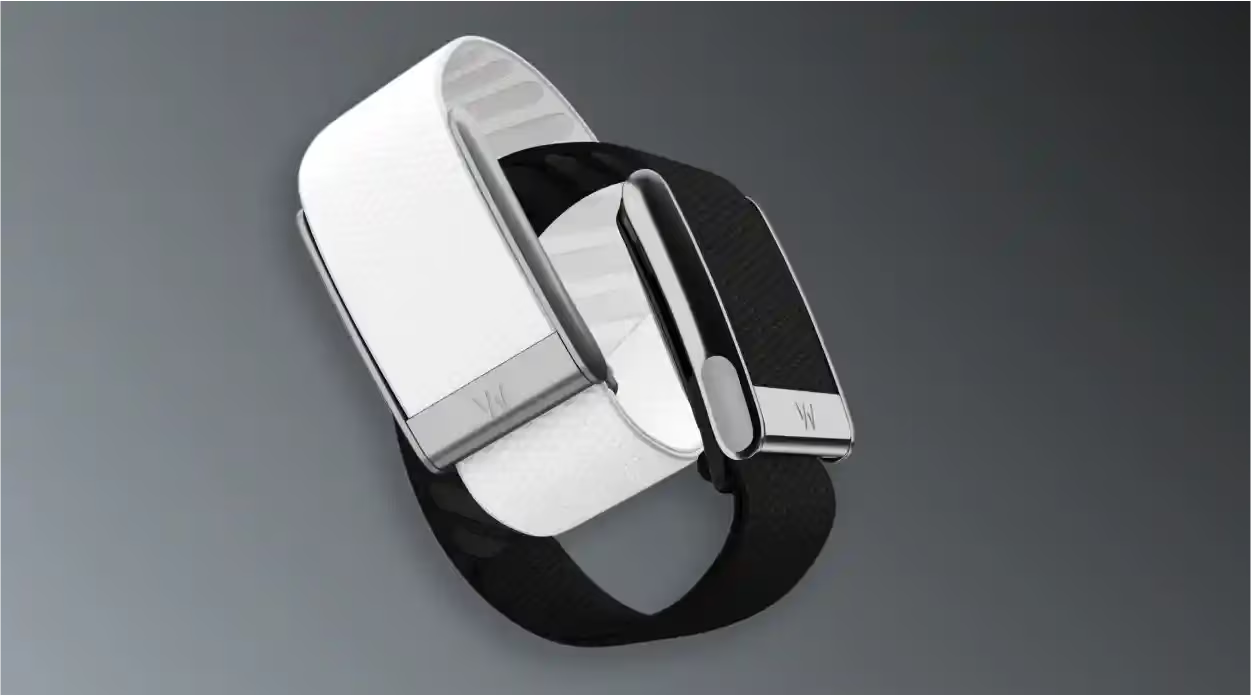
Whoop 5.0: top sleep tracker for serious recovery enthusiasts
Pros: personalized sleep coaching powered by AI, reliable and precise metrics, removable battery charges on the wrist, no screen to disrupt sleep.
Cons: bulky design may feel uncomfortable at night, lacks screen for instant data viewing, expensive subscription with a minimum 12-month commitment.
Whoop 5.0 targets users committed to optimizing sleep and workouts. The band has no buttons or display-just LED indicators, temperature sensors, and photodiodes that continuously gather data. An AI coach analyzes your nightly stats and recommends optimal bedtimes, breathing exercises, and safe training loads for the next day.
Subscription tiers start at $199 per year for basic sleep, strain, and recovery tracking. A mid-tier plan at $239 per year adds health monitoring with alerts and biological age metrics. The premium $359 per year tier includes daily blood pressure, ECG, and arrhythmia detection.
Oura Ring: best smart ring for detailed sleep tracking
Pros: 40% smaller and lighter than previous model, longer battery life than most watches, clear sleep quality score, personalized insights, comes in sizes 6 through 13.
Cons: majority of features require $6 per month subscription, some functions limited by region.
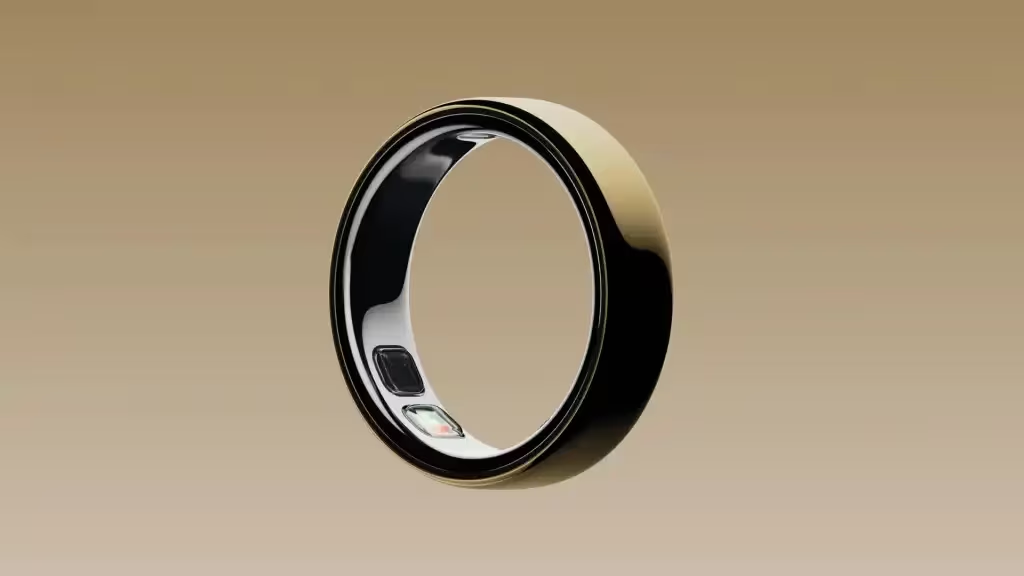
Oura Ring suits those who want thorough sleep monitoring without wearing a bulky wristband. Available in six finishes, it blends seamlessly with any style. Beyond sleep, it tracks stress, menstrual cycles, and early illness signs, making it one of the most comprehensive health monitors in the wearable ring space.
Eight Sleep Pod 5 Core: ideal for hot sleepers needing temperature control
Pros: dual-zone temperature control from 13°C to 43°C per side, AI-driven Autopilot adjusts temperature to sleep phases automatically, new pregnancy mode.
Cons: very expensive, 12-month subscription mandatory.
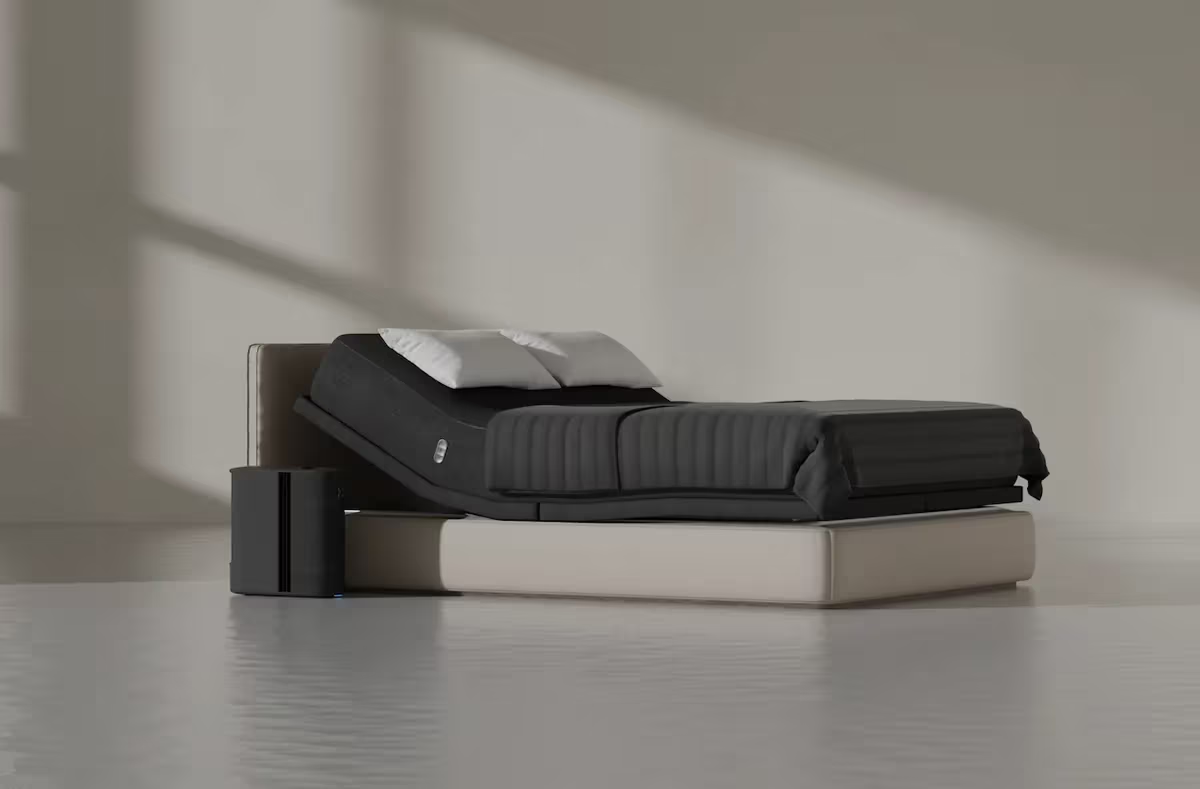
Eight Sleep Pod 5 Core is a smart mattress topper with water-filled tubes that heat or cool your bed surface based on your sleep cycle and preferences. It also tracks heart rate, heart rate variability, breathing rate, snoring, and overall sleep quality-without you wearing any device. Comes with a two-year basic or five-year extended warranty. Subscription costs $17 to $25 per month, depending on plan.
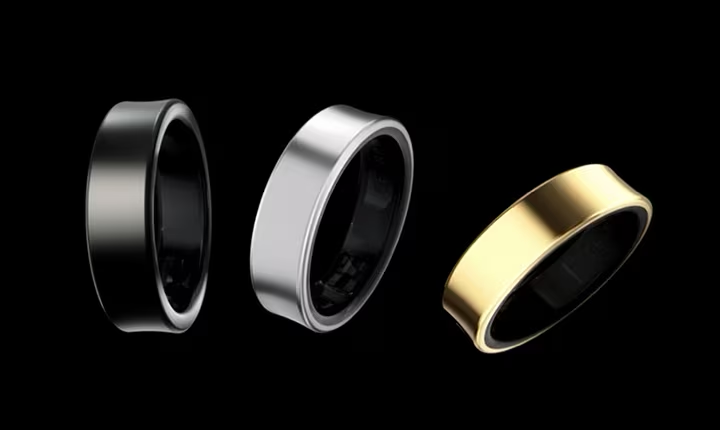
Samsung Galaxy Ring: best sleep tracker for Android users
Pros: sleek, minimalist design, long battery life, no subscription needed, enhanced features when paired with Galaxy phones.
Cons: requires relatively new Galaxy phone for full features, not compatible with Apple devices, lacks heart rate variability tracking.
The Galaxy Ring is a solid option for Android owners wanting hassle-free sleep and health tracking without wrist gadgets. Unlike Oura Ring, it detects snoring-a handy feature for those concerned about sleep apnea. It also automatically logs workouts and tracks pulse, blood oxygen saturation, and body temperature.
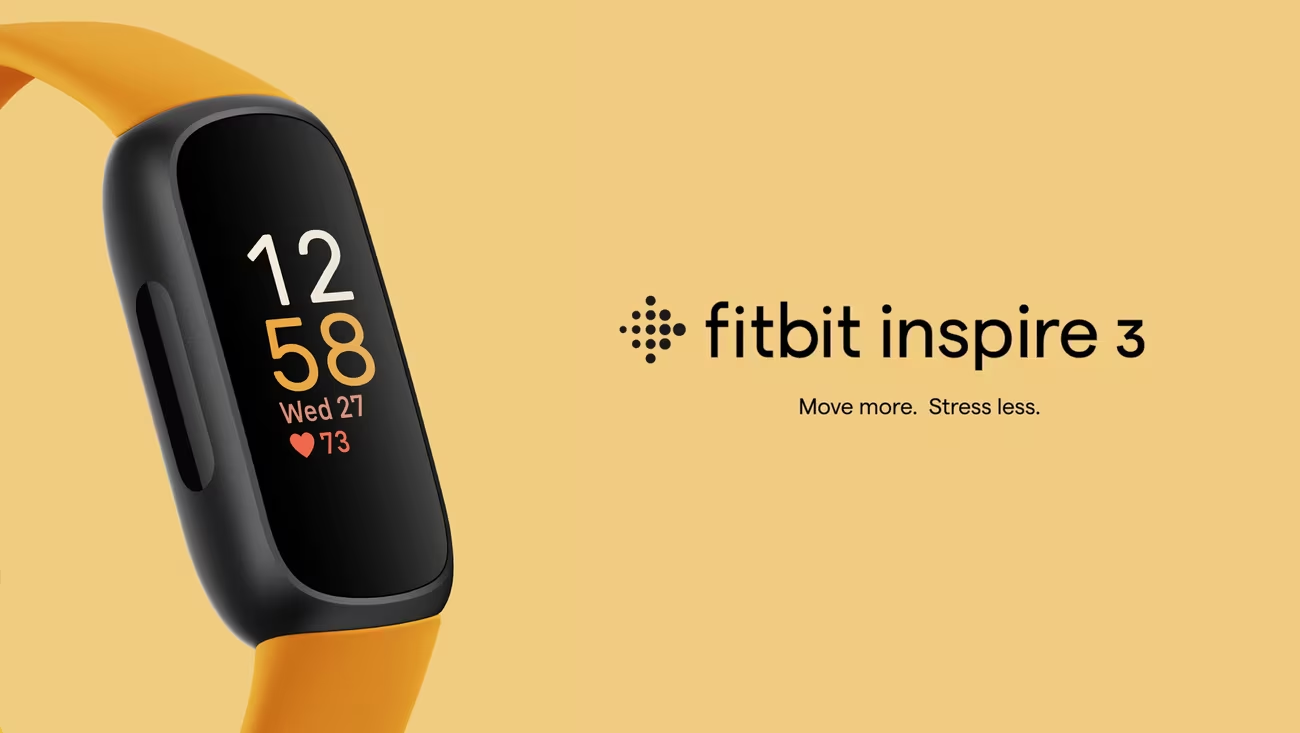
Fitbit Inspire 3: best budget sleep tracker under $100
Pros: compact, lightweight design, up to 10 days battery life, affordable price.
Cons: screen brightness can disturb sleep, strap lacks traditional buckle making removal tricky, advanced features require subscription.
The Fitbit Inspire 3 offers full sleep tracking at a wallet-friendly price, including monitoring sleep stages, blood oxygen, heart rate, and overall rest quality. It also tracks daily steps, workouts, and calories burned. Its 10-day battery life is rare at this price point.
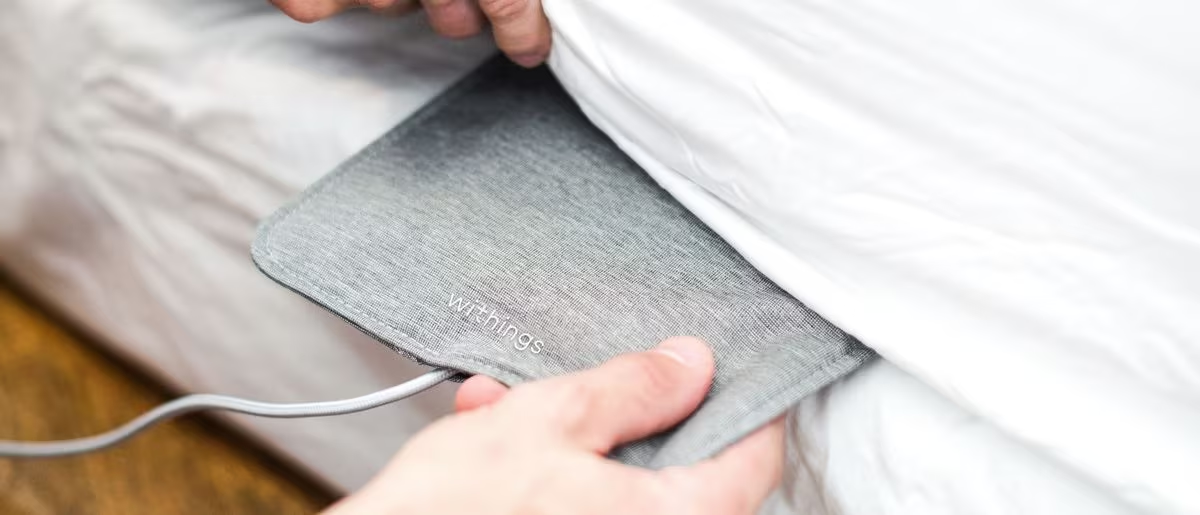
Withings Sleep Tracking Mat: best non-wearable sleep tracker
Pros: automatically logs sleep patterns, unobtrusive no-device monitoring, can auto-turn off lights when you hit the bed.
Cons: may register false readings if sharing bed with partner, needs a nearby power outlet, may confuse wakefulness with light sleep.
The Withings Sleep Tracking Mat slides invisibly under your mattress. Pneumatic and sound sensors track heart rate, breathing, movement, snoring, and sleep stages without wearing anything. The main limitation is its USB power requirement, so you need an outlet close to your bed.
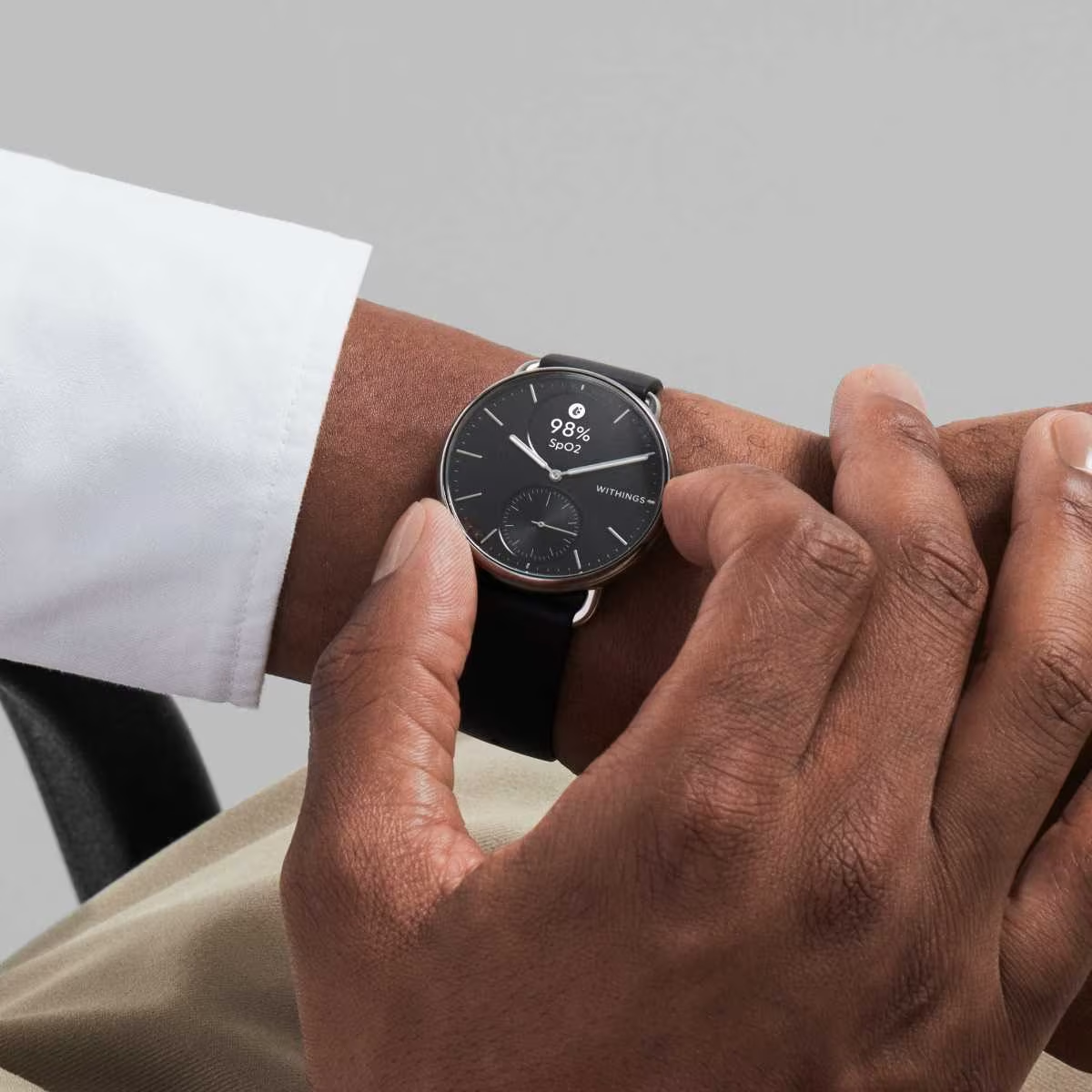
Withings ScanWatch 2: smart watch with long battery and no subscription
Pros: classic analog design, small display doesn’t disrupt sleep, up to 35 days battery life.
Cons: proprietary straps sold separately, pricier than most smartwatches, small screen makes reading notifications awkward.
The ScanWatch 2 looks like a traditional watch, avoiding bright screens that can interrupt rest. Inside, it packs comprehensive sleep and health tracking. Its biggest advantage is no required subscription and an outstanding 35-day battery life.
How to choose a sleep tracker: key factors
Form factor. Decide on the type of sleep tracking device. Wristbands and rings are most popular but may feel uncomfortable for some overnight. Mattress toppers and under-mattress pads avoid the need for wearables but require more setup.
Additional features. Consider what else you want besides sleep monitoring. Features like workout tracking, GPS, stress monitoring, or menstrual cycle tracking vary by device. The clearer your needs, the easier the choice.
Accuracy. No consumer tracker matches clinical sleep studies, but devices with pulse and blood oxygen sensors provide the most reliable insights.
Cost and subscriptions. Device price is only part of the story. Whoop, Oura, and Eight Sleep require ongoing subscriptions. Withings and Fitbit Inspire 3 offer solid tracking without mandatory fees-an important plus if you prefer one-time purchases.
Battery life. If daily charging is a hassle, look at options like Withings ScanWatch 2 with up to a month’s battery or Oura Ring that outlasts most watches on a charge.
Sleep trackers have evolved beyond basic wearables. The rise of smart mattress technology and non-wearable sensor mats offers new comfort-based monitoring approaches. As more brands refine AI-driven insights and tailor health alerts, expect next-generation devices to blend into your bedroom routine more naturally, delivering deeper, more actionable sleep analysis.