

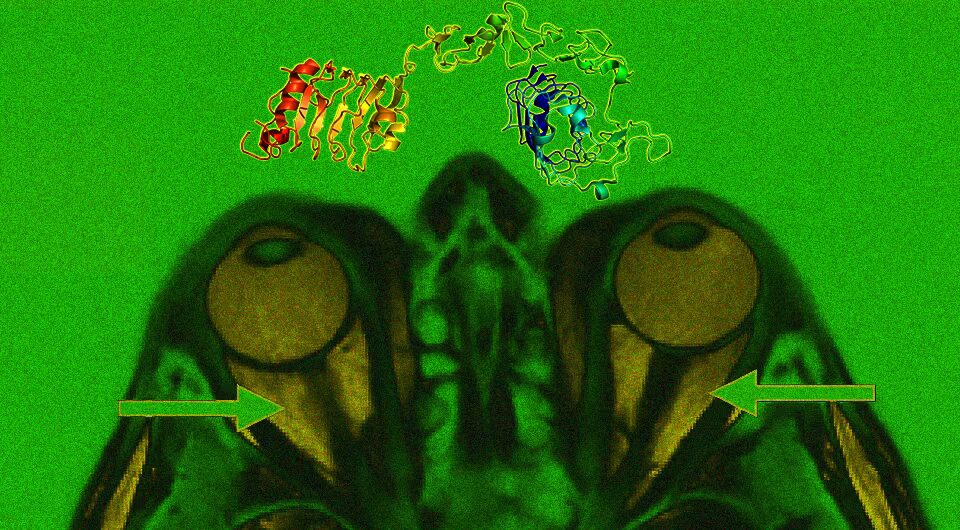
The FDA has approved vepoligroty for the U.S. market under the brand name Lumvoa, targeting thyroid eye disease (TED) in adults. TED is an autoimmune condition often linked to Graves’ disease that causes inflammation and swelling around the eyes, leading to pain, double vision, and sometimes bulging eyeballs. Lumvoa works by blocking the IGF-1R receptor. Notably, its FDA approval does not restrict use by disease stage or duration-it is approved for patients at any activity level or disease timeline.
How Lumvoa differs from previous thyroid eye disease treatments
While Lumvoa is another treatment for a rare condition, its approval carries significant weight. In 2020, the FDA approved Horizon Therapeutics’ Tepezza-also an IGF-1R blocker-for thyroid eye disease. Tepezza’s clinical success contributed to Amgen’s $27.8 billion acquisition of Horizon. Lumvoa differentiates itself with a broader label that allows treatment regardless of disease phase, which may reduce insurance hurdles in the U.S.
Pricing and market potential for Lumvoa
If payers do not impose strict limitations, Viridian Therapeutics, Lumvoa’s developer, could quickly capture a share of a market where treatment costs per patient can reach hundreds of thousands of dollars.
Impact of Lumvoa on thyroid eye disease treatment options
Thyroid eye disease remains a challenging and costly condition with limited treatment options. Lumvoa’s entrance expands the options for physicians managing this disabling autoimmune disorder, emphasizing flexibility in treatment timing. Given the high expense of TED therapies and rising demand, it will be important to watch how insurers respond and whether Lumvoa can replicate-or surpass-Tepezza’s impact on patients and the biologics market.