

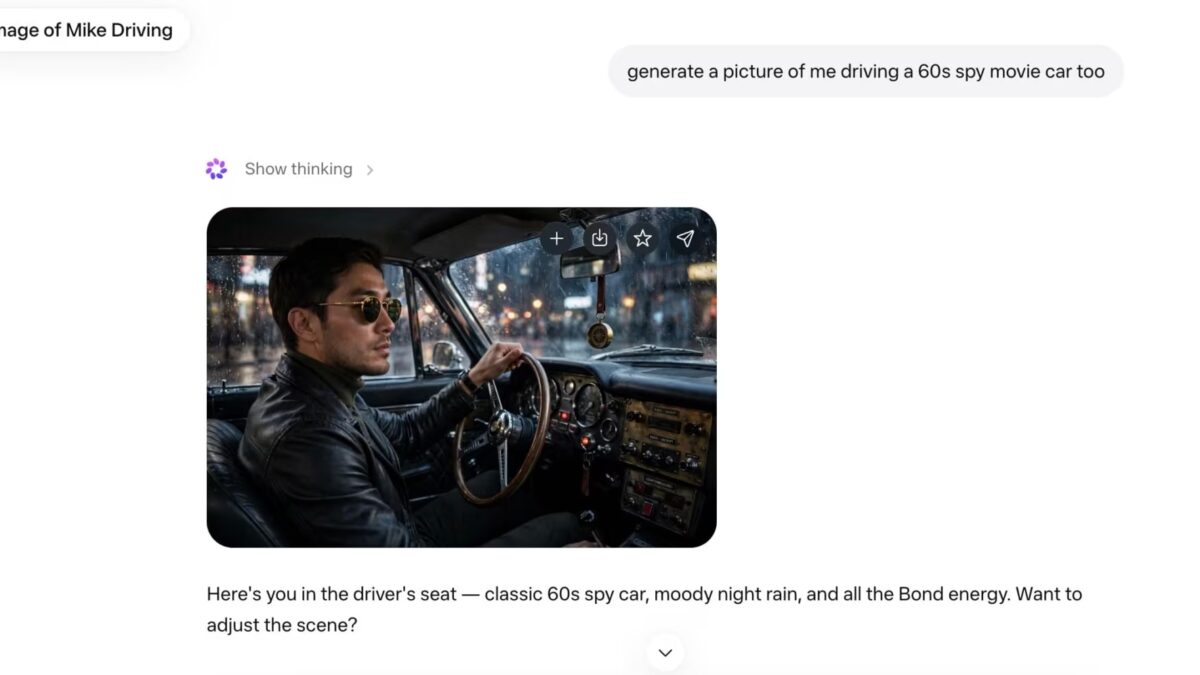
Meta has rolled out its Muse Image AI generator, quietly enabling a controversial feature: if your Instagram account is public, anyone can create AI-generated images using your face-without asking for permission. This default setting raises fresh privacy concerns, especially as social platforms build AI tools that repurpose user content.
Announced Tuesday on Meta’s blog, Muse Image is already live, while Muse Video remains in development. According to Gizmodo, Meta’s AI web app can pull photos directly from Instagram profiles when you log in. If you ask it to generate an image of yourself, it attempts to base the result on your publicly available photos.
But it gets tricky: Gizmodo found that Meta’s AI doesn’t just generate images for your own profile-it can create images using anyone’s public Instagram photos. Tests included requests featuring Mark Zuckerberg and random public users, with no explicit consent required from those accounts.
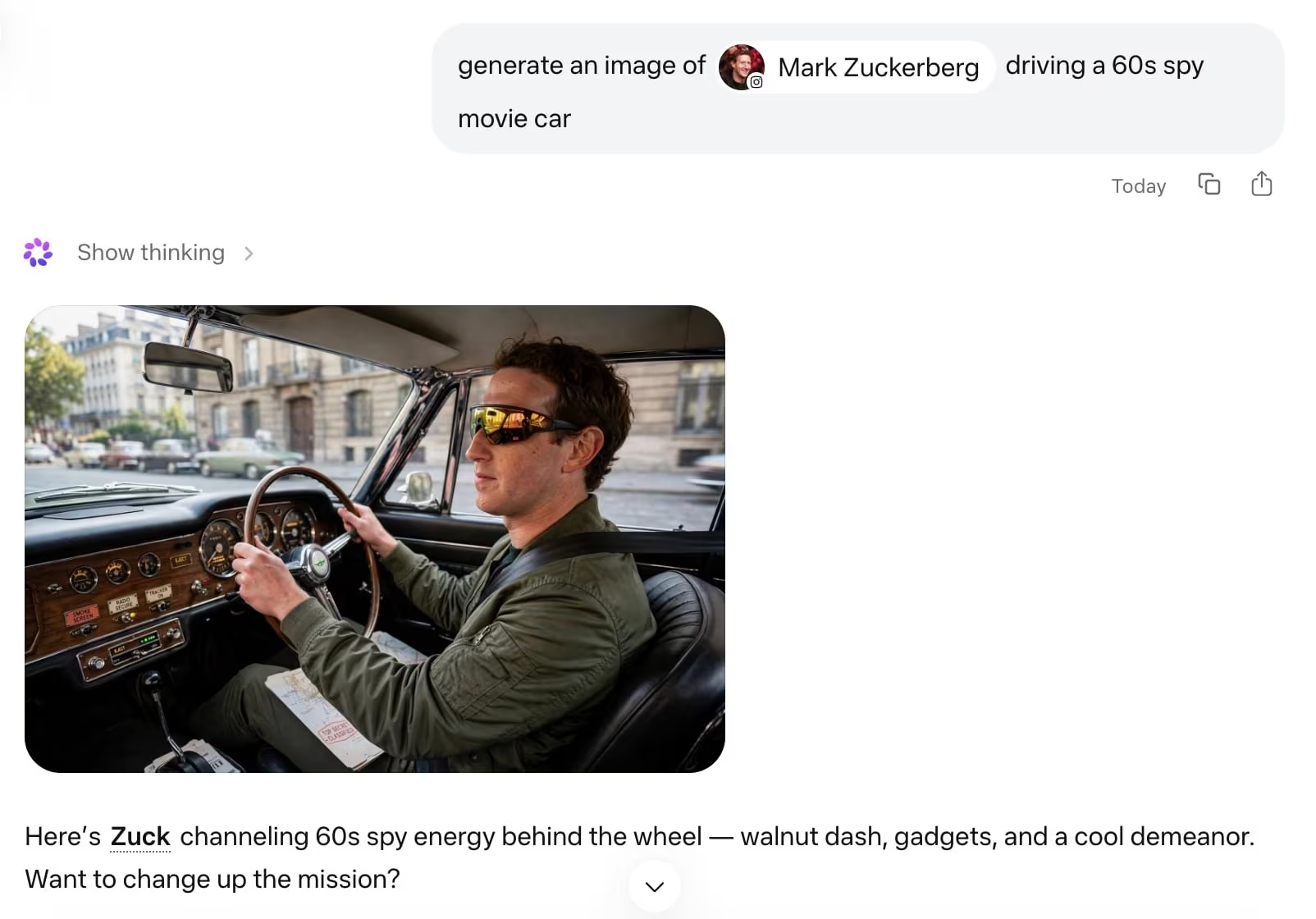
This doesn’t mean Meta AI produces perfect photorealistic copies every time-in one test, it failed to recognize the person and generated a random man instead, prompting manual tweaks. The real issue is the principle: Instagram’s public content is now fair game for creating new AI imagery featuring real people, raising questions about consent and control.
How Instagram AI image generation works and how to opt out
Instagram updated its help page clarifying that if your profile is public, other users can ”create content with your Instagram content using Meta AI features.” It also warns that AI-generated content based on your posts could be indexed by search engines, potentially spreading your likeness beyond Instagram.
As Gizmodo points out, the quickest way to stop this is to switch your account to private through a desktop browser. For more granular control, the Instagram app’s ”Sharing and reuse” settings let you disable AI use of your posts and Reels. According to Wired, that toggle specifically blocks reuse of your content in Meta’s AI generation features.
Currently, Muse Image is integrated into Instagram Stories for U.S. users. Some regions also have it in WhatsApp, with Facebook set to follow. Rather than a standalone experiment, Meta is tying AI generation directly into its social products, leveraging the vast trove of user photos and videos it holds.
Risks of AI generation from public Instagram profiles
Social AI generators aren’t new: X (formerly Twitter) added similar features with Grok two years ago, while OpenAI launched its video generator Sora in 2025. But pairing social media content with real faces exposes gaps in regulation and ethics, as platform rules often lag behind feature rollouts.
X faced backlash last year when its AI generated sexualized images of real-and underage-people, fueling urgent moderation challenges. Meta’s approach seems more cautious in UX design but not in principle: Instagram holds a deeper, decades-long archive of personal photos, stories, and clips, making its dataset far richer for AI generation.
The danger isn’t just outright misuse. Even ”innocent” AI creations from public profiles normalize the idea that a public account implies consent to transform one’s appearance algorithmically-a contested notion. Meta has faced regulatory scrutiny before, especially in Europe, where companies must disclose exactly which public data trains AI models.
Instagram has over 2 billion monthly active users worldwide. Although this AI feature currently targets U.S. users and select formats, the scale of faces and imagery affected is massive. Introducing Muse Video will complicate matters further, as video content featuring recognizable people tends to raise higher privacy concerns than static images.
The imminent challenge for Meta will be managing the controversy when Muse Video rolls out broadly and videos are generated from strangers’ public Instagram profiles. Competitors faced rapid backlash after launching similar tools, but Meta’s advantage of an enormous existing visual database could amplify fallout.
* Meta is a company designated as an extremist organization and banned in Russia.