

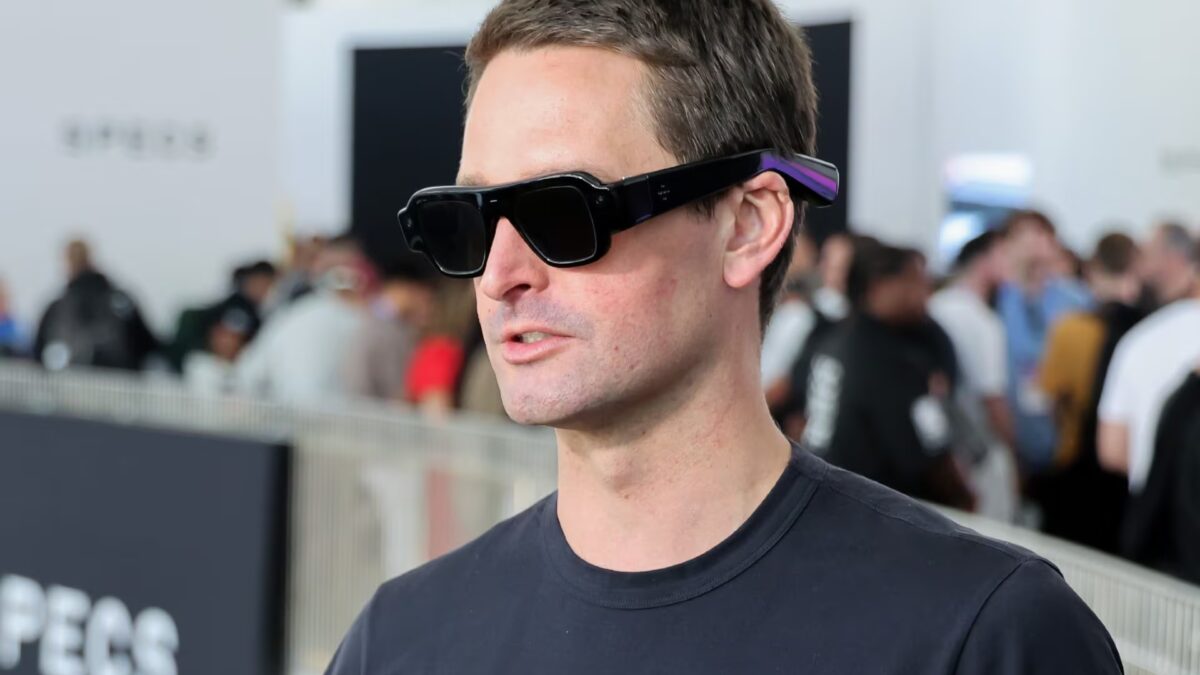
Starting July 20, New York will enforce a complete ban on smart glasses and any head-mounted devices with recording capabilities in all state courtrooms. According to Syracuse.com, the measure covers every courtroom across New York state and appears to be the first sweeping restriction of this kind in the US. The ban applies not only to high-profile smart glasses like Ray-Ban Meta but also to any eyewear that can capture audio or video, even if they look like regular glasses.
If someone shows up to court wearing such glasses, they must hand them over to court officers. This includes prescription glasses equipped with cameras or microphones. The state’s judiciary has yet to clarify how the ban will apply to people with disabilities who rely on assistive technologies, leaving an important question unresolved.
Smart glasses banned in New York courtrooms to protect privacy
The ban itself isn’t surprising. Many US courts have long prohibited recording devices, but smart glasses weren’t explicitly singled out-creating a gray area. New York has simply closed that loophole with a direct rule. Some state court systems in Pennsylvania, Hawaii, and Wisconsin have had similar restrictions, but New York is the first state to implement a comprehensive statewide ban on smart glasses in all courtrooms.
The move comes amid growing concerns about smart glasses and privacy. Earlier this year, a Los Angeles judge warned two people wearing smart glasses during a hearing where Mark Zuckerberg testified in a lawsuit accusing Instagram of addictive mechanics targeting children. For courts, these devices pose more than a nuisance-they represent a risk of covertly recording witnesses, attorneys, and sensitive proceedings.
Privacy concerns with smart glasses technology
The smart glasses controversy has a long history. Back in the Google Glass era, the term ”Glassholes” emerged to describe people who annoyed others by wearing a camera on their face. Those expensive, niche devices faded away, but the market has revived recently with companies like Meta and EssilorLuxottica pushing Ray-Ban Meta glasses, Snap releasing a new generation of Spectacles, and Google re-entering AI glasses through partnerships. This boom has brought back privacy concerns in a more practical form.
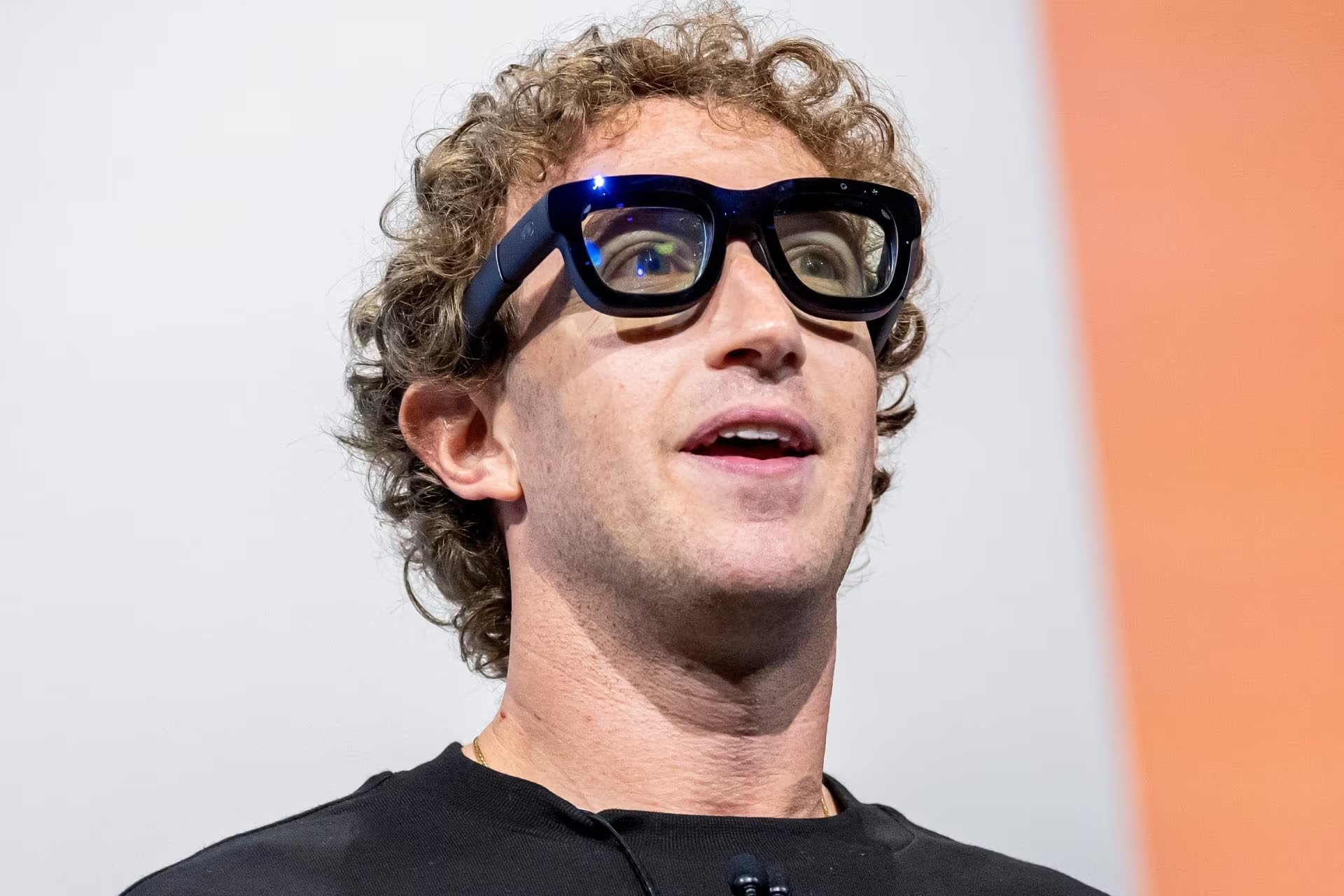
Today’s devices are cheaper, more discreet, and powered by AI that can analyze context in real time, making them a real concern for courts, schools, and healthcare where controlled access to recordings is essential. The public backlash has also intensified because many smart glasses are used not for navigation or translation but for secret filming. On social media, devices are derisively nicknamed ”perv glasses” as influencers post videos of interactions with women filmed from a first-person perspective-often without consent. While these glasses have LED indicators to show when they’re recording, these are easy to hide under a finger, sticker, or frame.
Manufacturers argue they provide safeguards like visible recording lights, localized policies, user training, and modes for users with visual impairments. Meta, for example, launched a program in June giving free smart glasses to visually impaired US veterans. For some, these glasses genuinely serve as assistive tech that reads text, describes surroundings, and helps with navigation.
But this dual perception-assistive AI tools vs. covert cameras-is a thorny issue for the industry. Beyond courts, restrictions on wearable cameras are being debated in venues like concert halls, casinos, and schools. When it’s unclear if recording is happening, many places simply bar the devices altogether.
Market research firm Counterpoint Research expects global shipments of AI-enabled smart glasses to grow by double digits in the coming years. Yet regulatory and reputation risks remain a major drag. Even the success of Ray-Ban Meta hasn’t changed the fact that camera-equipped wearables are often automatically restricted in sensitive environments. New York’s ban shows how quickly informal distrust becomes formal policy. If other states like California, Texas, or Florida follow suit, this will become a new norm across America’s largest markets.
*Meta, owner of Ray-Ban Meta, is banned as an extremist organization in Russia.