

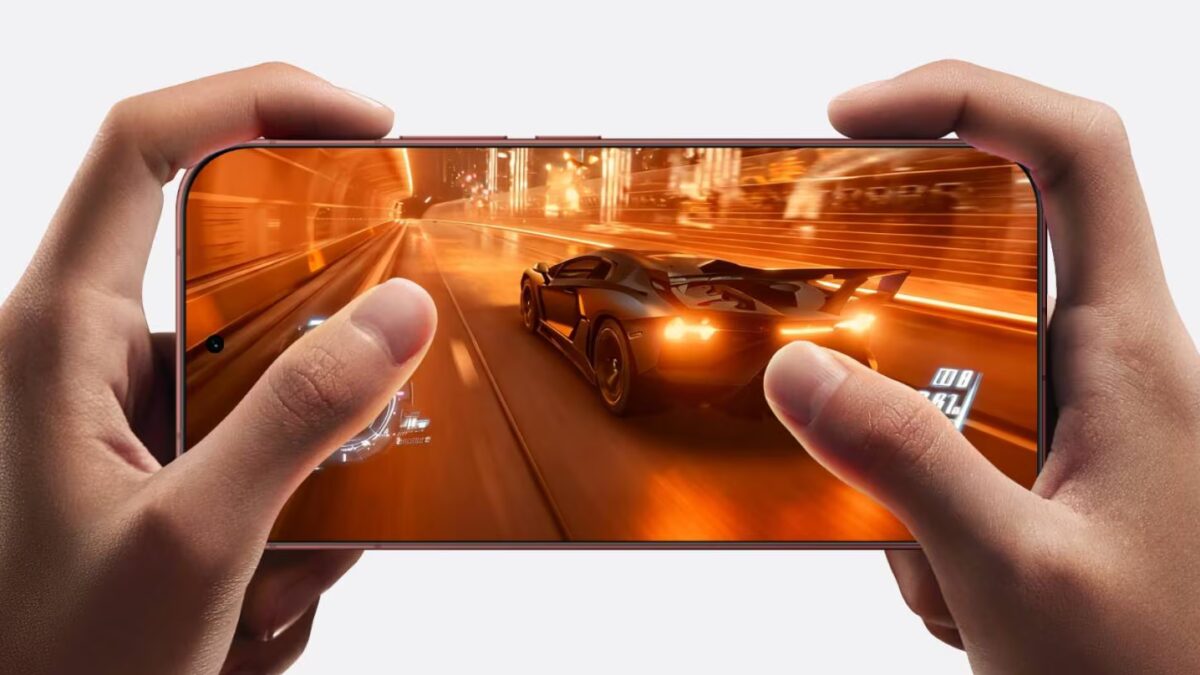
The Vivo V70 packs a hefty 6500mAh battery paired with wired charging up to 90W-a combo that demands more than just any charger. Since not all kits include the original adapter and a basic 20W charger drags charging times out, we’ve rounded up five chargers that hit the sweet spot in power, ports, and everyday use: at home, the office, or on the go.
The Vivo V70 is a recent mid-range contender with a 6.59-inch AMOLED screen at 1250 × 2750 resolution, Snapdragon 7 Gen 4 chipset, up to 12GB RAM, and storage options topping out at 512GB. Compared to rivals like Redmi Note Pro and realme Number Series, its 6500mAh battery is particularly generous-and it deserves an equally robust charger to match.
One catch: even if you plug in a third-party charger rated for 100W or more, the Vivo V70 won’t necessarily accept its full 90W speed. This hinges on Vivo’s proprietary charging protocol. Most universal chargers rely on USB Power Delivery (PD) or Programmable Power Supply (PPS), so charging speeds may fall short of the max. But modern GaN chargers-smaller and more efficient than older ”brick” chargers-typically offer multiple ports to simultaneously power laptops, headphones, and smartphones.
Best chargers compatible with Vivo V70 fast charging
UGREEN Nexode 100W is a solid pick for those who want a single desktop charger powering everything. It sports three USB-C ports and one USB-A, offering up to 100W total output. Supporting USB PD 3.0, Quick Charge 4+, and PPS, it’s suitable for the Vivo V70, tablets, and even compact laptops. Bonus: foldable plugs make it travel-friendly.
Amazon Basics 100W leans into versatility for home or shared workspaces juggling multiple gadgets. With two USB-C and two USB-A ports, you can charge four devices at once. It delivers a peak 100W and comes with a foldable plug, available in black or white. For anyone wanting practical power distribution in a neat package, it’s a standout option.
Baseus PowerCombo 65W stands out by combining USB charging with AC outlets. It has two USB-C ports, two USB-A ports, plus two AC sockets-effectively a mini charging station. Up to six devices can run simultaneously, including your Vivo V70, which can charge overnight alongside your laptop, desk lamp, and alarm clock. It even comes with a 100W USB-C cable.
Anker 735 GaNPrime 65W focuses on smart power delivery. Equipped with two USB-C and one USB-A port, it features Dynamic Power Distribution that automatically adjusts output to connected gadgets. While 65W may sound modest, it’s more than enough for a daily charge on the Vivo V70. Plus, it can handle simultaneous charging for headphones and smartwatches without missing a beat.
UGREEN Nexode 65W is the compact traveler’s choice. With two USB-C ports and one USB-A, it can juice up three devices at once, delivering up to 65W. Foldable plugs simplify packing, while the power level covers charging your phone, power bank, and peripherals during trips. For light laptops, this charger can cover nearly an entire mobile tech kit.
- 65W chargers are sufficient for charging your Vivo V70
- Opt for 100W chargers if you want to power your phone and laptop simultaneously
- USB-C with PD or PPS charging protocols outpace older USB-A-only chargers
- Vivo’s full 90W charging often requires the original charger with proprietary support
For headroom and future-proofing, the 100W UGREEN Nexode and Amazon Basics models deliver the strongest all-around performance. If you prize compactness without sacrificing core functionality, Anker 735 and UGREEN Nexode 65W are solid minimum picks for the Vivo V70. Meanwhile, Baseus PowerCombo caters to users who want an all-in-one charging and power strip solution at their desk.
These options give Vivo V70 users choices tailored to their charging habits-whether it’s a power-packed hub at home, a versatile family charger, or a portable solution for travel. One key factor remains: achieving Vivo’s advertised 90W fast charge speed usually depends on the official charger or accessories explicitly supporting Vivo’s charging protocol. As GaN technology continues to evolve, expect third-party chargers to better bridge that gap between raw wattage and real-world compatibility.