

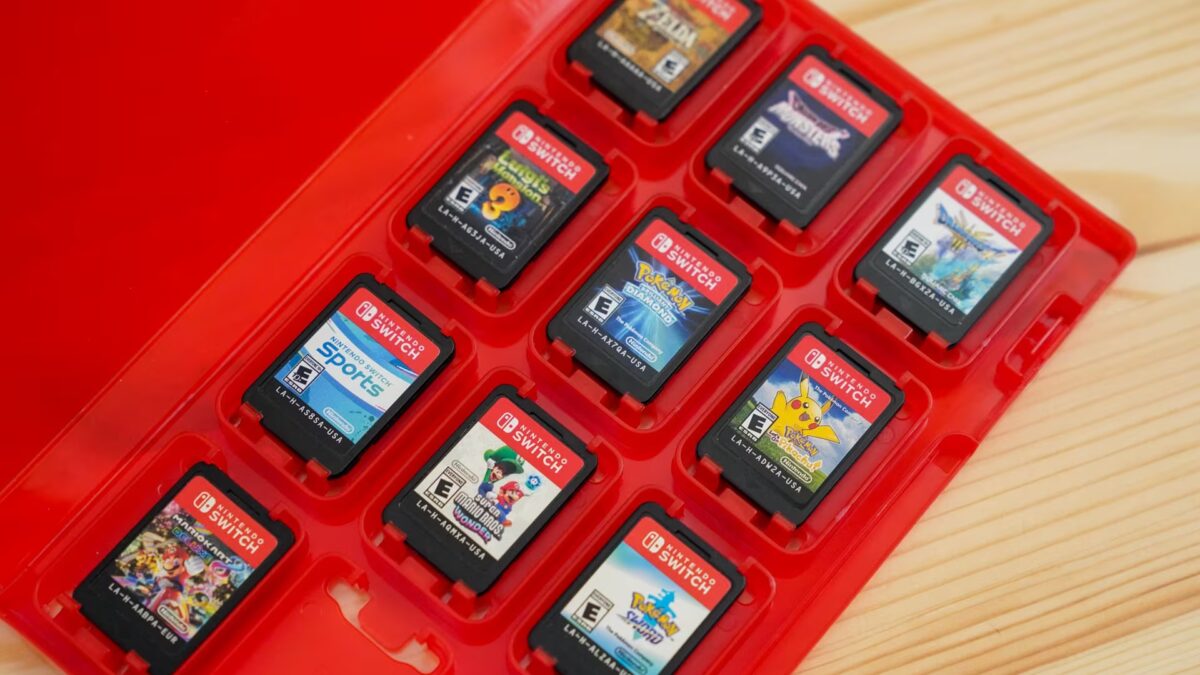
Nintendo will halt sales of all original Switch models across Europe starting mid-February 2027, according to an update on its support site. The company will cease shipments of the Nintendo Switch, Switch Lite, and Switch OLED to retailers in response to new European Union regulations mandating replaceable batteries in portable devices.
For European buyers, this means that brand-new Switch consoles will gradually disappear from shelves as stocks run out, and Nintendo won’t replenish them. The change also affects accessories: while standard Joy-Cons will still be sold, Nintendo’s retro-themed controllers mimicking NES, SNES, and Sega Mega Drive won’t be available directly from the company anymore.
The EU’s new rules, which take effect in 2027, require portable electronics-including gaming handhelds, smartphones, and tablets-to feature user-replaceable batteries. Nintendo is already updating the upcoming Switch 2 and its accessories to comply, with redesigned Joy-Con 2, Switch 2 Pro Controllers, and GameCube and N64 controllers planned for release between this summer and early 2027.
However, the original Switch models won’t be retrofitted to meet these standards. Sales data from Nintendo’s 2026 fiscal year shows a 65% drop in Switch family sales compared to the previous year, with only 3.8 million units sold globally and about 830,000 of those in Europe. For a platform in its ninth year, the scale doesn’t justify re-certification or redesign efforts.
Phasing out original Switch consoles in Europe
Industry analyst Serkan Toto from Kantan Games told Gizmodo this move likely represents Nintendo’s deliberate transition toward the Switch 2. After Europe, Nintendo might start pulling the original Switch from other markets by late 2027 or early 2028, streamlining its lineup to simplify supply chains and encourage buyers to upgrade.
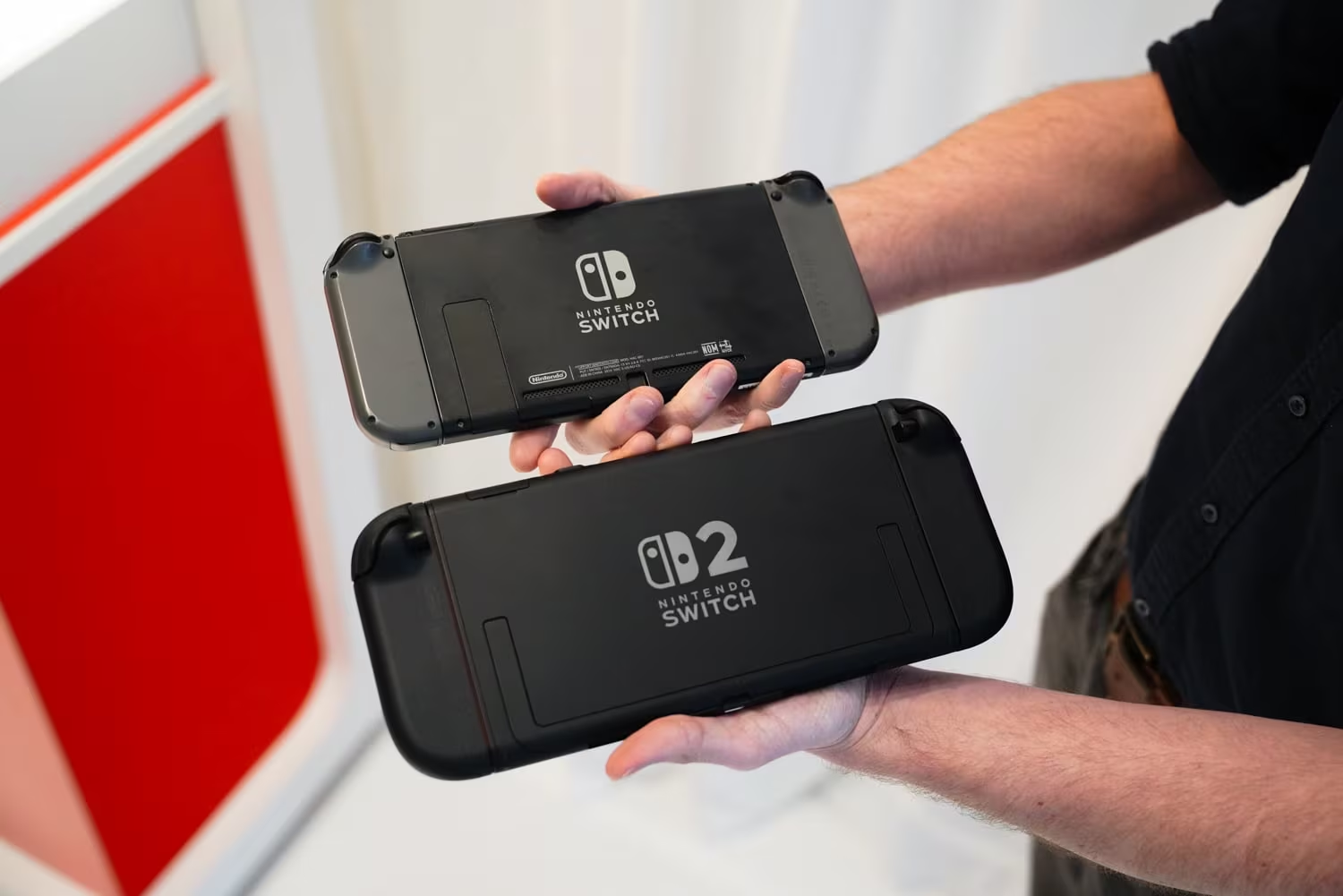
The move also helps Nintendo shift away from marketing the original Switch as a budget entry-level device. Prices on older models have already risen:
- Base Nintendo Switch: about $330
- Switch OLED: about $400
- Switch 2: approaching $500
The narrowing price gap means the original Switch is no longer an automatic best choice for budget-conscious gamers.
Software support for the original Switch will continue. Nintendo will keep releasing games compatible with the first-gen hardware, and many new titles still launch simultaneously on both the original Switch and the Switch 2. Still, limitations like 32 GB of built-in storage on the standard model (64 GB on OLED) are becoming more restrictive as game sizes grow into tens of gigabytes.
This phase-out fits a broader industry trend toward digital distribution. Console makers like Sony and Microsoft have increasingly pushed downloads and subscription services due to higher margins and simpler logistics. Microsoft’s Game Pass strategy exemplifies this shift. With the original Switch disappearing from retail, Nintendo can lean harder on digital sales with its new platform.
The Switch’s incredible legacy is worth remembering: since launching in March 2017, the family has sold over 150 million units worldwide, rivaling Nintendo DS and PlayStation 2 in all-time sales. Pulling the original Switch from retail in just one region feels less like the end and more like the beginning of its final chapter as Nintendo focuses on what’s next.
The real test will come if other regions follow Europe’s lead. If Toto’s prediction holds, the original Switch could vanish almost entirely from global stores by 2028, marking a rare case where a direct successor not only launches alongside a hit console but also fully replaces it on shelves. That transition could redefine how Nintendo manages console generations moving forward.