

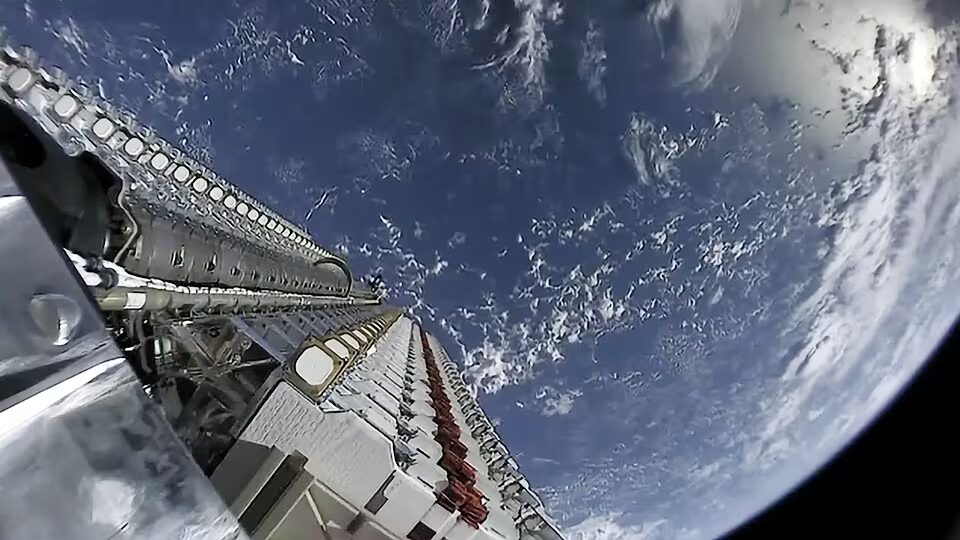
SpaceX has deorbited 260 Starlink satellites in just six months, the company revealed in a recent filing with the US Federal Communications Commission (FCC). This large-scale retirement is part of routine fleet maintenance: aging satellites run out of fuel, drop to lower orbits, and burn up in Earth’s atmosphere. Meanwhile, the Starlink constellation continues its rapid growth, now surpassing 10,000 satellites launched into orbit.
Between December 2023 and May 2024, SpaceX intentionally retired 260 satellites, including 176 from the original Starlink generation and the rest from the newer Gen2 batch. An additional 349 satellites have been taken out of service but remain in orbit, scheduled for deorbiting in the near future.
Starlink’s satellite lifespan is deliberately limited, designed for about five years of operational service. After that, the satellites use remaining fuel to lower their altitude and re-enter the denser atmosphere where they disintegrate from frictional heat. This controlled deorbiting is the preferred approach for operators and regulators, reducing the risk of dead, uncontrolled debris cluttering low Earth orbit.
Starlink satellite retirements increase as constellation expands
The surge in satellite decommissions stems from the rapid deployment pace in Starlink’s early years. Between 2019 and 2021, SpaceX launched massive numbers of first-generation satellites that are now aging out simultaneously. As the constellation grows, so does the number of satellites reaching the end of their operational lifespan at any given time.
Additionally, newer Gen2 Starlink satellites are heavier and more complex than their predecessors, weighing between 800 and 1,250 kilograms compared to about 260 to 295 kilograms for earlier models. These upgraded satellites support higher data throughput, direct smartphone connectivity, and onboard data processing capabilities – allowing SpaceX to increase network density and capacity without downtime.
At this scale, the environmental impact of mass satellite burn-up is drawing scientific scrutiny. Researchers debate how combustion products, including aluminum compounds, might affect the upper atmosphere when thousands of satellites re-enter annually. The discussion has grown beyond academia, prompting regulatory attention. SpaceX’s FCC report highlights ongoing conversations about potentially exempting satellite missions from certain environmental reviews under the US National Environmental Policy Act (NEPA).
FCC regulators face a tricky balance. In 2022, they tightened rules requiring satellite removal within five years of mission end, down from 25 years previously. But mega-constellations like Starlink create orbital congestion and ecological effects that early regulations never anticipated – they were drafted for fleets measured in dozens, not thousands, of satellites.
In comparison to competitors, SpaceX operates on a completely different scale. OneWeb’s constellation includes just over 600 satellites, while Amazon’s Project Kuiper began deploying its first batch of operational satellites in 2023. Independent orbital tracking confirms Starlink as the largest satellite network ever launched, making its deorbiting practices a benchmark for the entire industry.
SpaceX previously announced ambitious plans to deploy up to 42,000 Starlink satellites. Continuing to refresh the constellation at the current pace and expanding Gen2 deployments means thousands of satellites will routinely deorbit every year. This will intensify regulatory scrutiny and pressure authorities to update licensing rules for mega-constellations during forthcoming approval cycles.
As the satellite internet race accelerates, managing deorbiting and space debris risks will shape not just Starlink’s future but also the sustainability of Earth’s crowded orbital environment.