

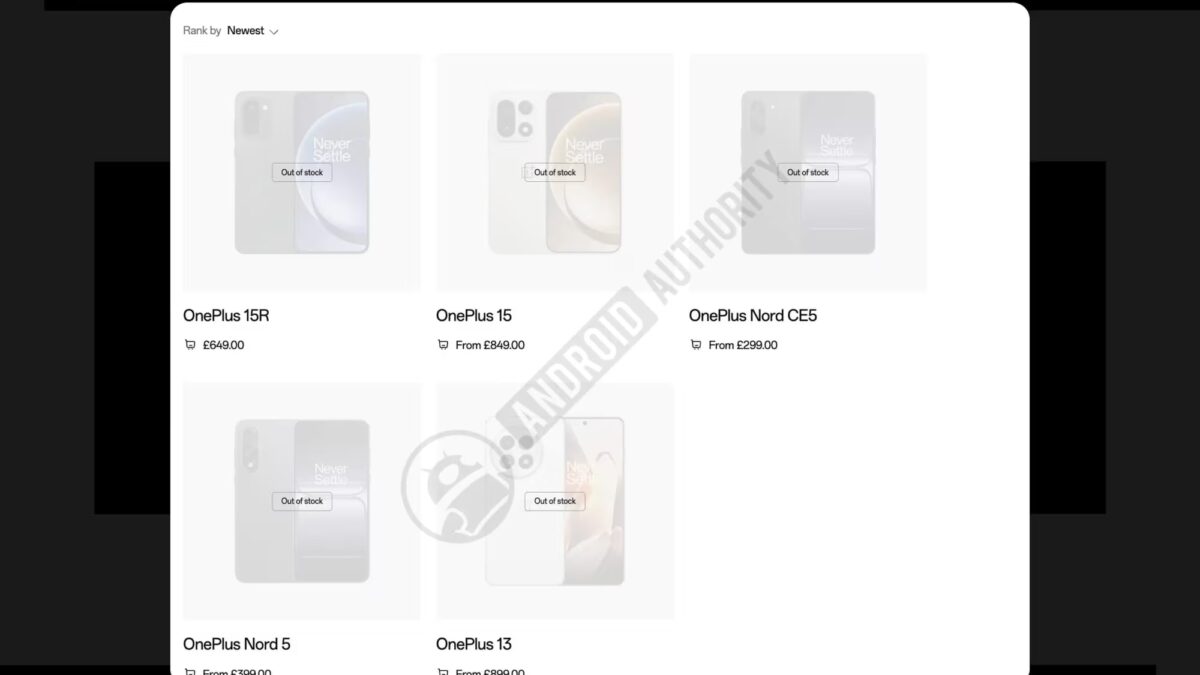
OnePlus hasn’t officially shut down, nor have they removed their logo from devices or stopped updates. But recent months have sent a clear message: the once-independent brand is losing its identity. European storefronts are emptier, the company’s UK and US selections are thinning, and-most notably-a prominent banner on OnePlus’s German website now directs customers to Oppo phones, hinting at an inevitable absorption by its parent company.
This isn’t just about another Android brand disappearing. OnePlus helped pioneer the ”flagship-level specs without flagship prices” segment and built a loyal fanbase of enthusiasts who wanted an alternative to Samsung and Apple. Now, the distinct character that set OnePlus apart is diluting, replaced increasingly by Oppo’s shadow.
Officially, OnePlus still operates and supports its devices, especially in markets like India and China where it maintains a strong user base. However, in the US and UK, journalists and users report shrinking inventory and stock issues-unwelcome signs for a brand once known for uncompromising hardware and reliable availability.
The German website banner is the most tangible sign of this shift. It directly encourages OnePlus customers to ”switch to Oppo” smartphones, promising a similar experience. This move could be interpreted as streamlining the European portfolio internally, but the underlying message is clear: if OnePlus models aren’t adequately stocked, just choose the sibling brand without fuss.
Symbolically, this is stronger than any press release. OnePlus’s decline isn’t sudden; it’s a slow fading-cutting product lines, pulling back from regions, blurring software distinctions. For BBK Electronics, the massive conglomerate owning both brands, this is a logical cost-saving strategy. For fans, it looks like a slow erasure.
OnePlus’s loss of its unique edge
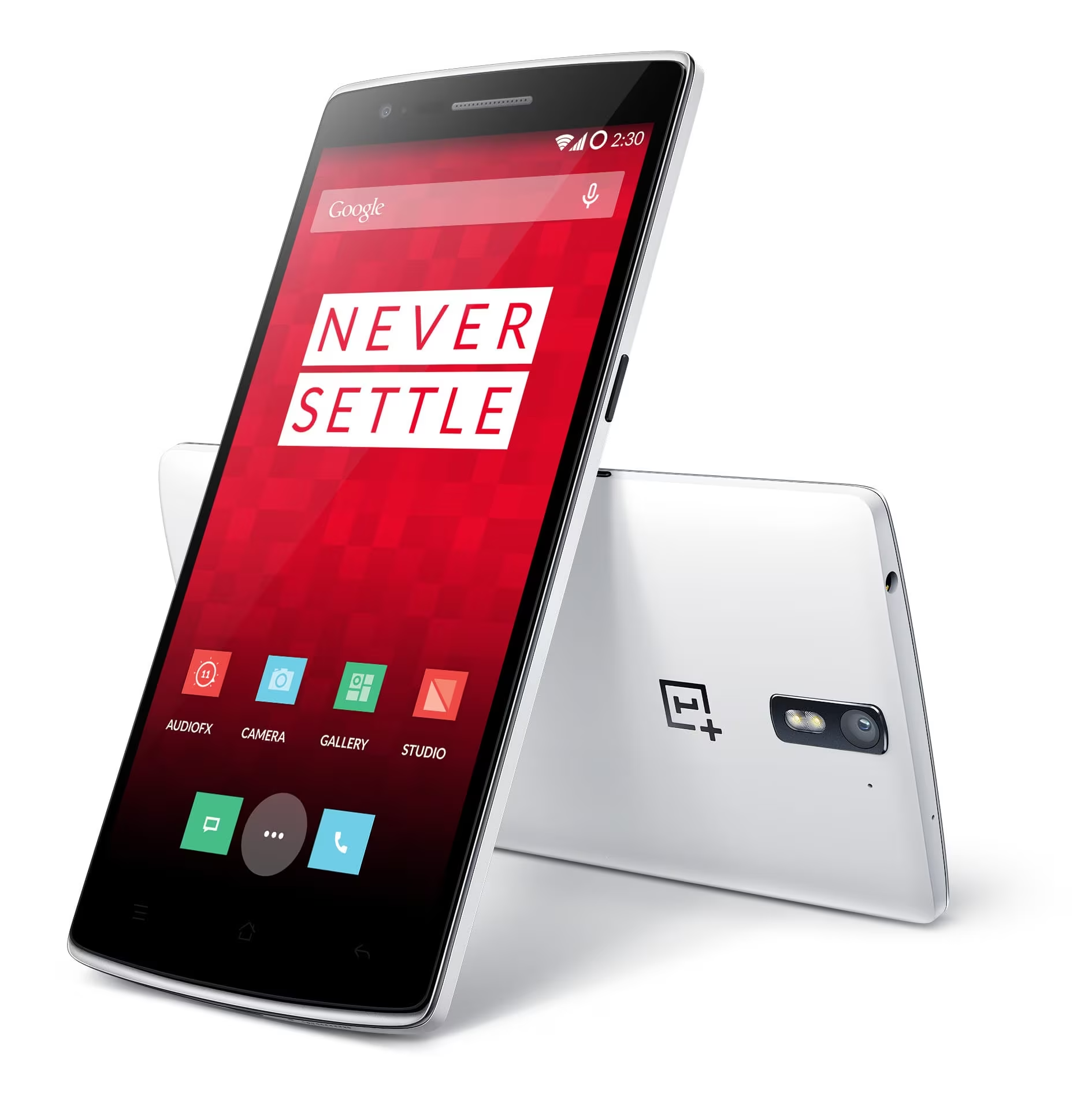
OnePlus’s identity always hinged on more than price or specs. Launching in 2014 with the OnePlus One, it sold phones by invite only, creating a cult-like atmosphere for tech enthusiasts craving flagship power without Samsung or Apple pricing. The longtime ”Never Settle” slogan was a genuine promise of quality and value, a rare clear signal in a cluttered market.
OxygenOS was part of that magic. In an era when many Android skins felt bloated, OxygenOS stood out as a near-stock experience packed with thoughtful tweaks, fast performance, and a clean design. For many, it was as important as the Snapdragon flagship chip or Warp Charge fast charging features-a reason to feel that the phone was crafted by people tired of gimmicks and unnecessary bulk.
That began to change in 2021, when OnePlus and Oppo announced deeper integration. Their software teams started merging development, aiming to unify OxygenOS and Oppo’s ColorOS. Initial backlash from users forced OnePlus to backtrack and promisingly keep OxygenOS separate globally. But since then, software differences have only diminished, blurring the two brands.
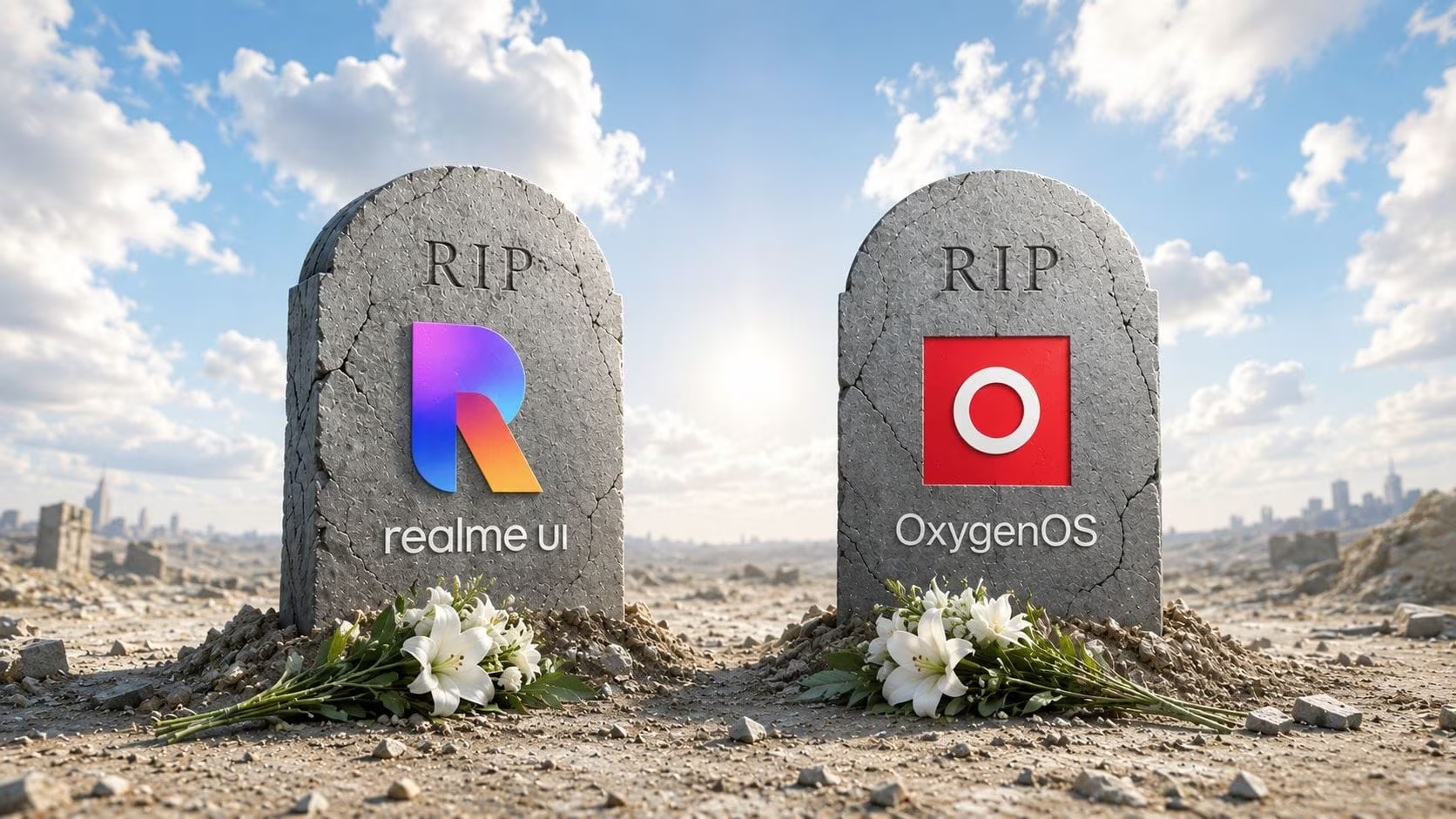
Recent leaks suggest Oppo may scrap OxygenOS and Realme UI completely in favor of a single ColorOS platform across Oppo, OnePlus, and Realme. While unconfirmed, the rumor fits a broader BBK strategy to cut R&D and maintenance costs. For OnePlus, this would mean losing its last real distinctive feature.
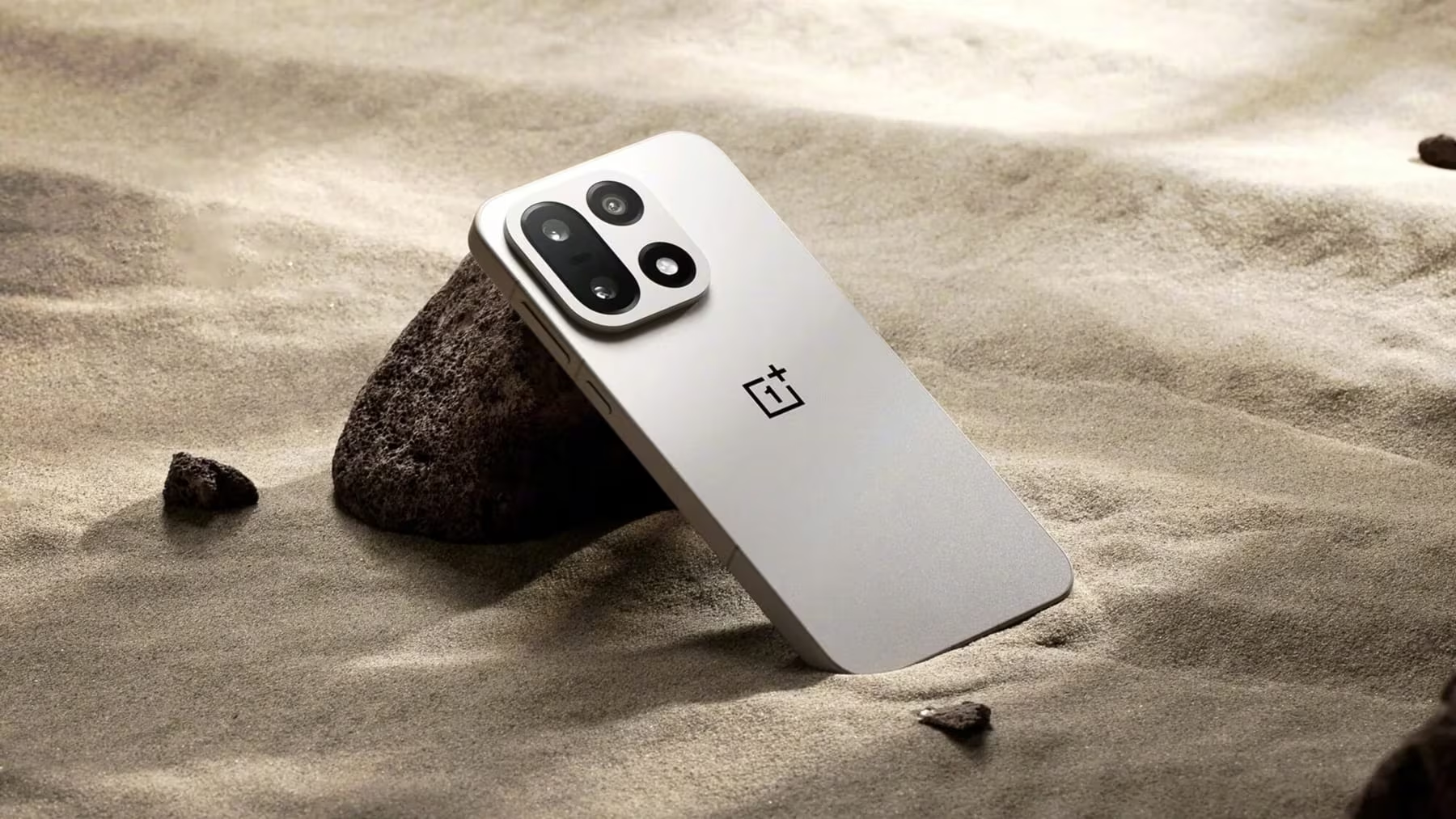
This loss hits fans hardest. Oppo makes excellent phones, as seen in its Find X series. But OnePlus wasn’t cherished just for offering solid hardware at a lower price-it was valued for character, personality woven into design, marketing, and software. When you’re left with the same chassis, nearly identical chipsets, and a homogenized interface, the real debate shifts from specs to purpose: why does OnePlus even exist anymore?
OnePlus’s role in shaping the smartphone segment
The irony is that OnePlus laid the groundwork for its own crisis. It was among the first to prove a powerful Android flagship didn’t need an iPhone-like price tag. That success inspired Xiaomi, Realme, Poco, and many others to chase affordable high-end phones. Over time, ”top-tier processor, quality display, 100W charging” became common features, making hardware alone insufficient to retain cult status.
According to Counterpoint Research, the global smartphone market has plateaued, shifting competition from one-off sales to ecosystem loyalty and service integration. In premium tiers above $600, Apple dominates, while Samsung leads Android in scale and distribution. Google’s Pixel lineup doubles down on AI and computational photography. Oppo leverages engineering prowess for camera-centric phones. Against this backdrop, OnePlus’s separate existence becomes harder to justify.
Examples from flagship lineups show this, too. A decade ago, OnePlus was the go-to for premium specs at lower costs. Now, the price gap between ’flagship killers’ and established flagships is narrower, and buyers prioritize camera quality, software support, trade-in programs, and long-term updates. Samsung offers up to seven years of Android updates on select flagship models; Google matches this trend. OnePlus has improved its update policy but no longer stands out-it’s just keeping pace.
Another issue: OnePlus’s lineup has become confusing. The brand started as the clear enthusiast’s pick, then added pricier Pro and Nord models, many of which resemble Oppo devices more than ever. While shared platforms and components are industry norms, the end user no longer has an easy answer when asked: how exactly does OnePlus differ from Oppo today, beyond the logo?
Into this vacuum steps Nothing, a startup founded by Carl Pei, OnePlus’s co-founder. Though Nothing’s numbers don’t yet rival OnePlus’s heyday, its products boast distinctive style and a fresh vibe. It sells not just hardware specs but a sense of belonging to a new story-an emotional niche that OnePlus built and is now ceding.
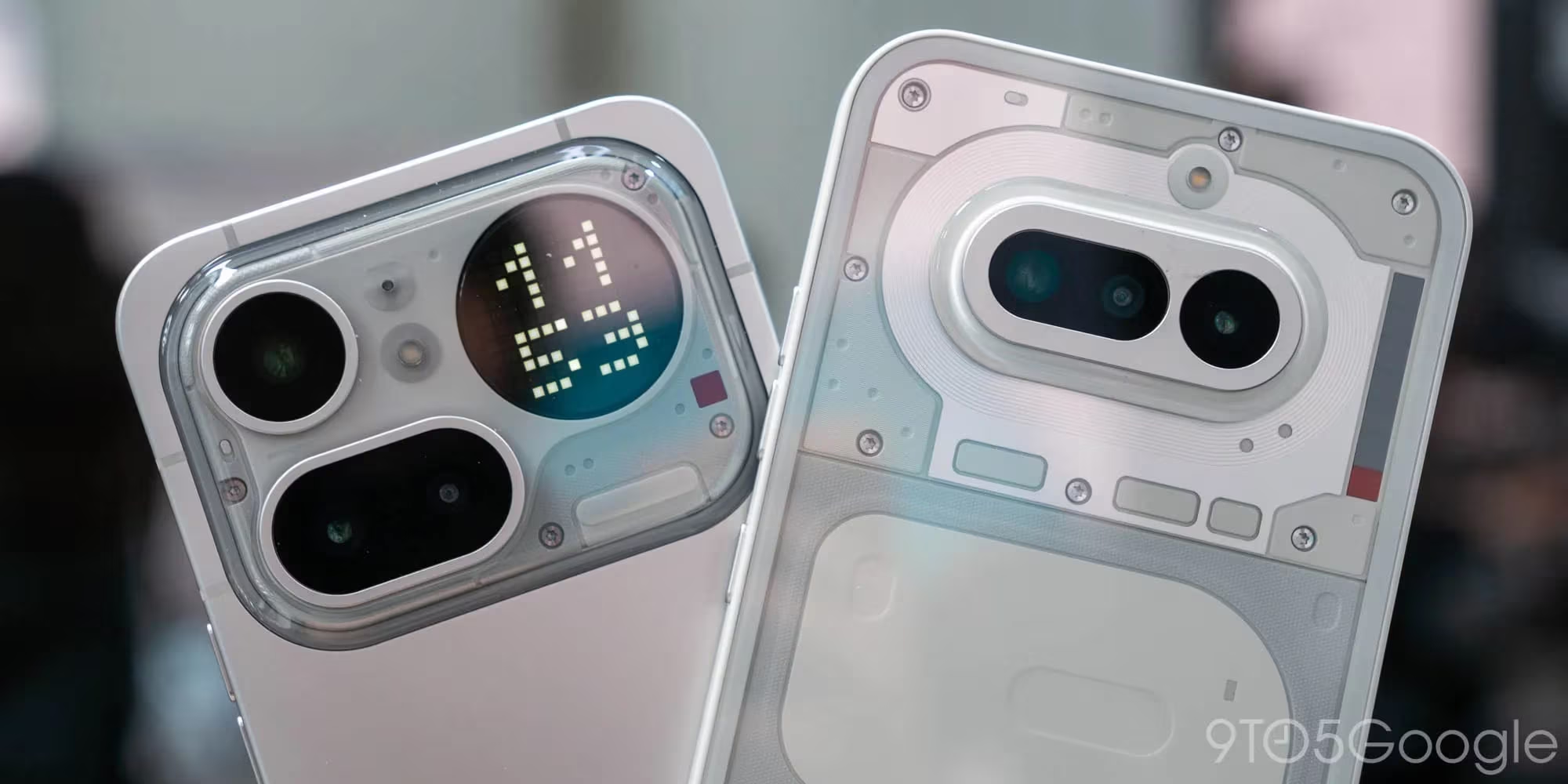
Nothing isn’t a OnePlus replacement so much as its emotional heir. Like early OnePlus, it appeals not just through specs but by offering community and a fresh narrative. That’s arguably the harshest sign of OnePlus’s decline: when a new brand claims the role it once owned, the loss goes beyond a website banner in Germany.
Legally, OnePlus may persist for years, especially in markets like India and China where it still has visibility. But the question is no longer if OnePlus exists-it’s whether anything uniquely ”OnePlus” remains apart from Oppo phones with similar chips, cameras, and software. If rumors of full software unification hold true in the next updates, 2026 could mark the year OnePlus ceases being its own story.