

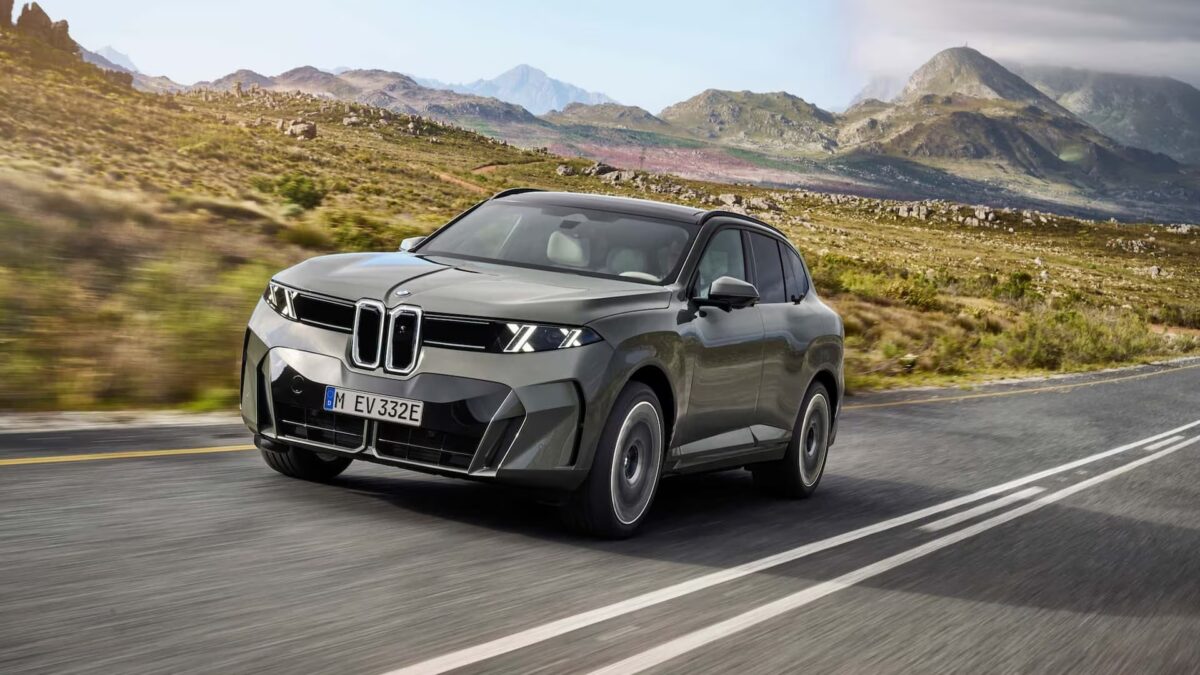
BMW is sticking with pure gasoline power for the 2027 X5 M60, its upcoming high-performance SUV. The model will feature a 4.4-liter twin-turbo V8 engine delivering around 609 horsepower – with no hybrid assistance in sight.
In an era when most premium SUVs with 600+ horsepower rely on hybrid technology to meet emissions standards and boost acceleration, BMW’s choice to skip hybridization in the X5 M60 feels bold. Competitors like the BMW XM and Porsche Cayenne Turbo E-Hybrid are already pairing powerful internal combustion engines with electric motors – making BMW’s move stand out in the high-performance luxury SUV segment.
The new X5 generation was unveiled recently, showcasing a larger, more angular design inspired by BMW’s Neue Klasse styling. It measures 4,994 mm long, 2,000 mm wide, and 1,751 mm tall, riding on a 3,035 mm wheelbase. This design breaks notably from previous X5 models while aligning with BMW’s refreshed brand identity.
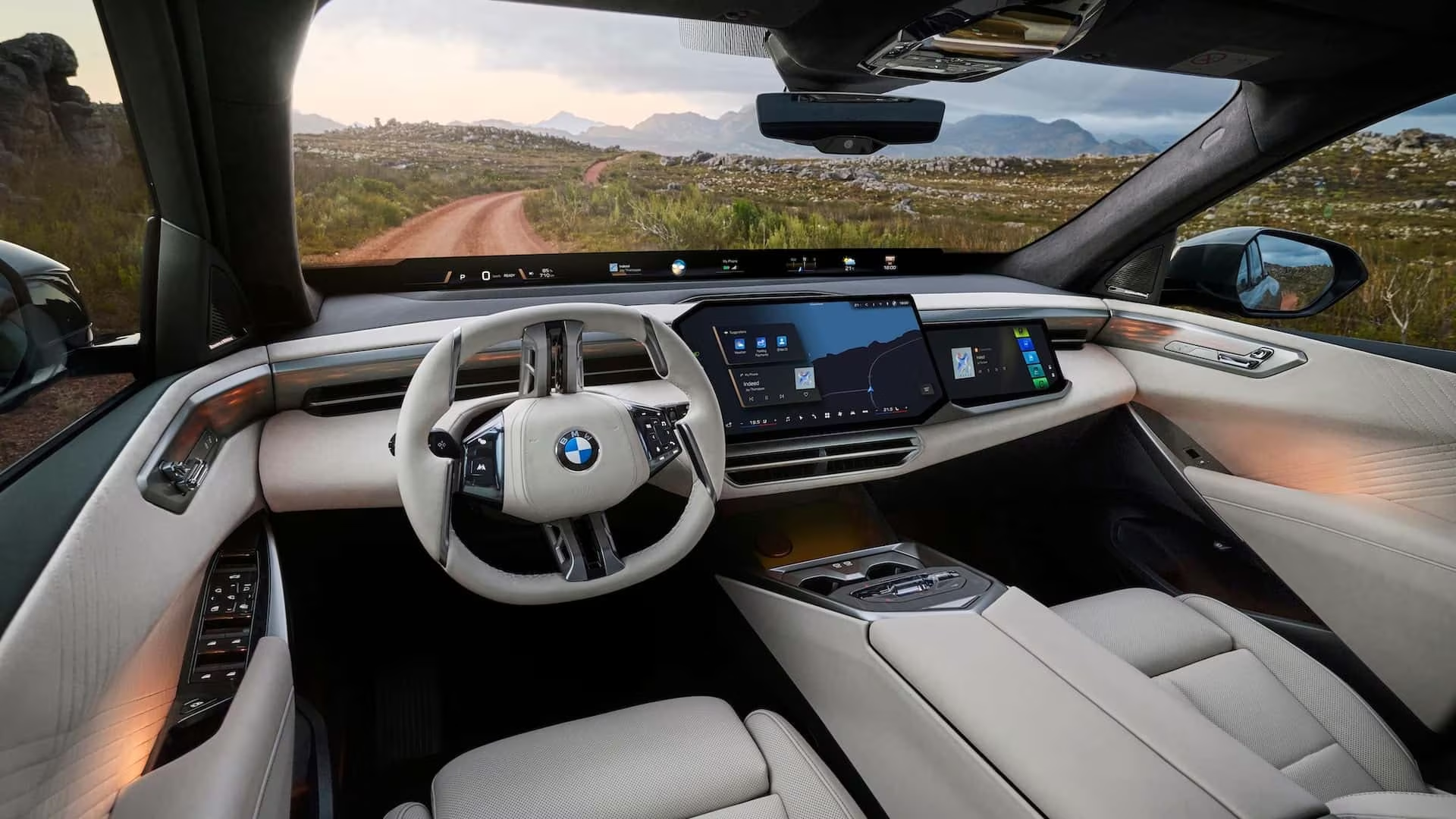
Inside, the X5 has undergone a tech upgrade, adopting BMW’s latest digital architecture. The cabin features a 17.9-inch central infotainment screen, an optional 14.6-inch front passenger display, a panoramic heads-up display called Panoramic iDrive, and an integrated AI assistant. If the M60 variant sticks to this setup, it will blend a state-of-the-art interior with a traditional V8 engine lacking electric motor support – an unusual combination in today’s market.
This move is a litmus test for BMW: is there still demand for high-powered, non-hybrid SUVs at this price point? The X5 was one of BMW’s global sales leaders in 2025, but competition among large luxury SUVs is intensifying as most rivals increasingly embrace electrification. Launching the M60 with a pure V8 engine in 2027 would buck the current trend, signaling BMW’s confidence in a market for a raw, unhybridized performance SUV.
While automakers worldwide rush to electrify performance models, BMW’s gamble on a standalone V8 highlights a tension between tradition and innovation. The real test will be how buyers respond – will they embrace the nostalgia and mechanical purity, or will the absence of hybrid technology be too much of a compromise in a rapidly evolving segment?