

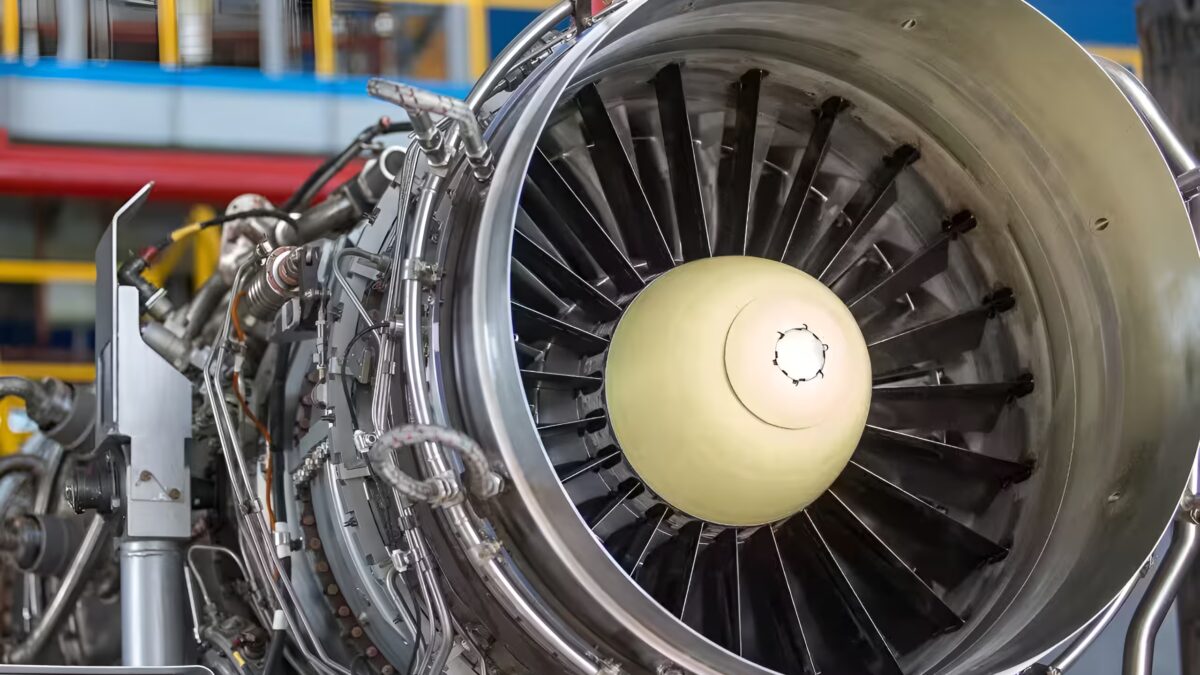
Russia’s Ufa-based engine manufacturer, UEC-UMPO, responsible for producing engines used in fighter jets such as the Su-57, Su-35S, Su-30, and Su-27, has received its fourth bankruptcy warning since early 2026. The latest notice concerns a court-mandated debt of nearly 39 million rubles owed to Ulyanovsk’s InterStankoService.
InterStankoService plans to file a bankruptcy petition with the Arbitration Court of Bashkortostan over a 2024 contract dispute. The court ordered UEC-UMPO to pay €438,500 plus interest and legal fees, which converts to about 39 million rubles at current exchange rates.
Although this amount is minor-less than 0.04% of UEC-UMPO’s projected 2025 revenue-the repeated bankruptcy warnings indicate deeper financial difficulties beyond isolated contractor disputes.
Financial reports reveal a concerning trend: the plant posted a net loss of 14.3 billion rubles in 2025, a significant reversal from an 8-billion-ruble profit in 2024. Revenue dropped to 121.7 billion rubles, pushing the net margin approximately 12% into the red.
Why UEC-UMPO faces multiple bankruptcy warnings
In Russia, creditors must issue formal bankruptcy warnings before initiating legal proceedings. This process allows debtors to settle, negotiate payment plans, or dispute claims. However, for a strategic defense supplier like UEC-UMPO-a key entity within Rostec’s United Engine Corporation-four warnings within six months signal serious financial distress.
Bankruptcy warnings are uncommon among major defense suppliers, so repeated claims often point to liquidity shortages, delayed payments, or cost-cutting amid growing debt burdens.
Economic factors worsen the situation. Elevated key interest rates in 2024 and 2025 increased borrowing costs across Russian industries and suppliers, prompting more aggressive debt collection efforts. Even small disputed sums become critical as contractors push for timely payments.
There is a stark contrast between UEC-UMPO’s vital role in state defense contracts and its declining financial health. In military aviation manufacturing, supply chain disruptions immediately affect operational readiness. Despite being involved in large government programs, the plant faces rising costs, higher interest expenses, and inconsistent contract payments that erode profitability despite sustained revenue.
The next phase depends on whether InterStankoService proceeds with a formal bankruptcy filing after the mandatory waiting period. If the dispute is resolved through payment or settlement, the issue will likely remain isolated. But if bankruptcy warnings persist, UEC-UMPO could face a systemic financial crisis extending beyond reputational damage, especially considering the prior year’s significant 14.3 billion-ruble loss.