

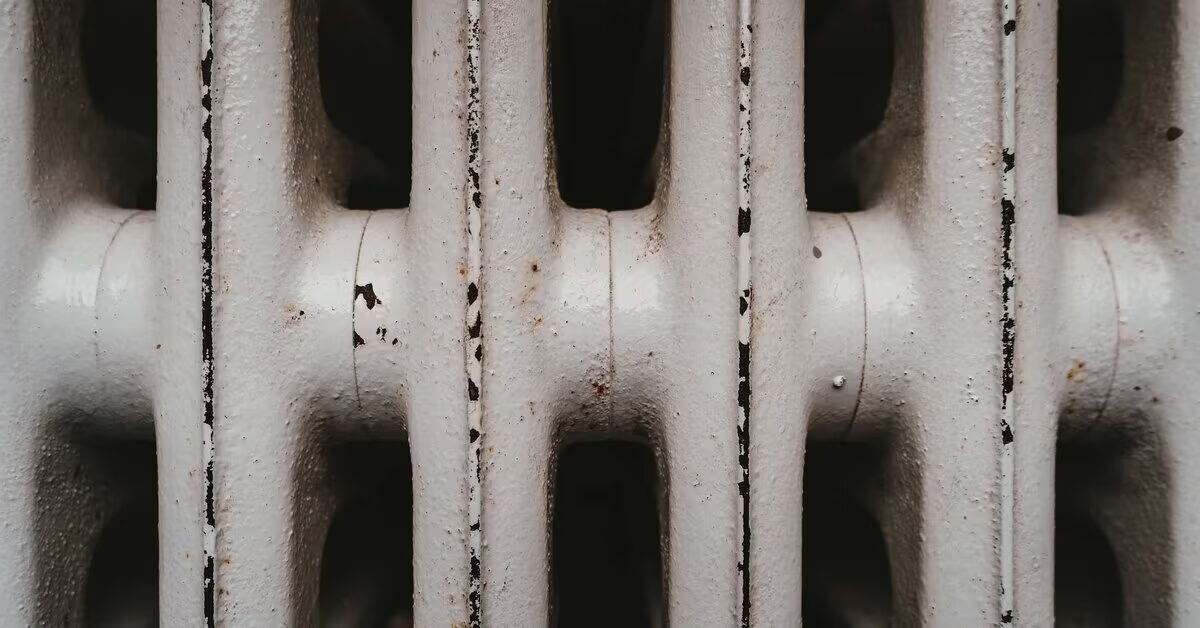
Dirty radiators don’t just threaten your heating system’s efficiency-they also trap dust and grime between their sections, blocking warm air from circulating properly. This buildup sometimes causes that unmistakable ”burnt apartment” smell that hits at the start of the heating season.
At first, dust on a radiator feels minor. But once the heater’s on, dust gets blown around the room, settling along with hair, debris, and sticky residues inside the fins. This layer acts as an insulating barrier, cutting down heat output and degrading indoor air quality. It also causes the paint and finish on your radiator to age faster.
Cast iron radiators are notorious for hoarding dirt, thanks to their textured surface and accordion-like shape. Aluminum and bimetallic radiators sport smoother exteriors, but their internal channels still challenge easy access by hand. Steel panel radiators are simpler to clean from the outside, though thoroughly dusting their insides takes patience and proper tools.
How often should you clean radiators?
Wipe down radiator surfaces every week or two during your regular cleaning routine. This quick dry dusting takes minutes and prevents dirt from consolidating into stubborn layers. Homes with pets call for more frequent attention, as hair rapidly accumulates in radiator fins.
A more thorough wash-removing grilles and covers-is best done twice a year: once before heating starts, once after it ends. This reduces that overheated dust smell and preserves the radiator’s heat transfer efficiency.
Flushing internal channels from scale or rust requires professional maintenance every 3 to 5 years. Uneven heating or cold spots, despite a hot water supply, indicate deeper issues inside the system. At that point, a specialist with industrial flushing equipment is your best bet.
Tools and materials for radiator cleaning
- Microfiber cloths or soft sponges
- Vacuum cleaner with a narrow nozzle attachment
- Hair dryer with a cool air setting
- Spray bottle with mild soapy solution
- Radiator brush, bottle brush, or a DIY long-handle brush
- Towel, basin, or shallow tray to catch drips
Mild detergent like dish soap or liquid hand soap mixed with warm water usually suffices. For stubborn grime, a gentle baking soda and vinegar solution can help-but avoid harsh acids or chlorine-based cleaners. These damage paint and quickly corrode aluminum and bimetallic radiators.
Stay away from metal scrapers or abrasive scouring pads that scratch surfaces, creating new dirt traps. Small details like this save time and keep your radiator looking fresh.
Step-by-step guide to cleaning your radiator
Start by turning off your heating or waiting for the radiator to cool. Hot surfaces make cleaning tougher and blow dust into the air. Lay an old towel or sheet under the radiator, then place a tray or basin on top to catch any drips.
Begin a dry cleaning phase by vacuuming external surfaces and between the fins. If your vacuum nozzle can’t reach tight spots, blast the dust out with a hair dryer’s cool setting, aiming the airflow so dust falls onto the towel below. For narrow gaps, try a bottle brush, a radiator-specific brush, a skewer wrapped in microfiber, or even two toothbrushes taped back-to-back.
Next comes the wet clean. Spray the soapy solution liberally and let it sit for 5 to 10 minutes. Wipe down each section using a soft cloth or sponge. An old toothbrush helps with tough spots. For hard-to-reach areas, clamp a small sponge between scissor blades for an extended cleaning tool.
Cast iron radiators need extra effort due to their accordion shape and rough surface, which trap dirt easily. Aluminum and bimetallic models clean faster but dislike aggressive chemicals. With steel panel radiators, focus on the top and side vents where thick dust gathers.
After cleaning, dry the radiator surface thoroughly. Don’t forget to wipe nearby walls, baseboards, and floors to avoid quickly resettling dust. For scent-free cleaning, plain soapy water is enough. Fabric softeners in the bucket might sound cozy but don’t affect radiator performance.
If your radiator remains cold despite a hot water supply and a clean exterior, the issue is likely internal blockages, scale, or trapped air. Attempting to flush these channels yourself without removing the radiator risks flooding and system damage. Call in professionals for hydraulic or chemical flushing instead.
Stick to a simple routine: quick dusting every two weeks, a full wash twice yearly, and a specialist check every several seasons. This keeps dirt at bay, freshens indoor air, and saves you from flashlight-and-brush missions under the radiator all winter.