

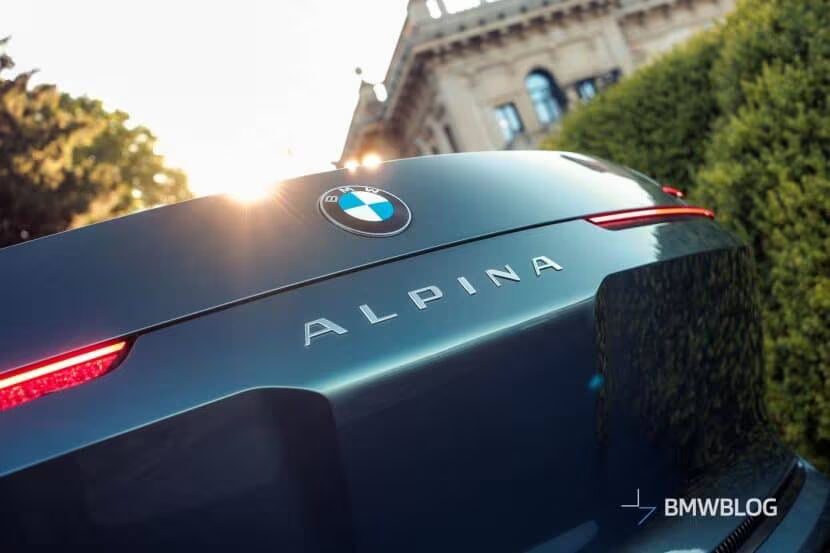
BMW is gearing up to relaunch ALPINA as a distinct luxury sub-brand in 2027, debuting two new models: the ALPINA B7 sedan based on the refreshed 7 Series and the ALPINA XB7 SUV derived from the upcoming X7. Rather than competing head-to-head with BMW’s M performance division, ALPINA is poised to occupy a unique spot in the lineup-positioned above standard BMWs but below the ultra-luxury Rolls-Royce badge.
Unlike the sleek ALPINA concept revealed recently, the production-ready B7 and XB7 models will stick to a more conventional design language. Both vehicles have been in development since before the concept’s debut, so their styling updates will be subtle. Expect refreshed ALPINA logos, signature multi-spoke wheels, exclusive interior materials, and bespoke chassis tuning that emphasize grand touring comfort over raw sportiness.
For BMW, reestablishing ALPINA as a separate entity is a strategic shift. Historically, ALPINA has built fast, high-priced cars with an emphasis on relaxed long-distance driving-contrasting sharply with BMW M’s focus on sharp handling and track-ready performance. Internally, the new B7 carries the codename G72, signaling that the current 7 Series platform will branch into multiple variants: the standard G70, a bulletproof G73 armored version, and now this high-luxury ALPINA model.
Under the hood, the B7 will follow BMW’s familiar engine lineup. Base trims could feature inline six-cylinder engines, while top-tier versions will get the turbocharged V8 S68 powerplant already found in BMW’s flagship models. That same engine is rumored to underpin the forthcoming V8 BMW M flagship arriving in 2027. While an all-electric ALPINA based on the i7 isn’t expected at launch, BMW seems to believe classic internal combustion engines better suit the brand’s upscale repositioning-at least for now.
ALPINA’s transition under BMW control
BMW’s acquisition of ALPINA was finalized in early 2026, following a 2022 agreement with the Bovensiepen family, who previously owned the brand. After half a century operating as a near-independent boutique balancing tuning and low-volume production, ALPINA has now become an integrated arm within BMW’s factory ecosystem.
This reorganization positions ALPINA as a luxury layer above BMW’s regular lineup, effectively serving as BMW’s answer to Mercedes-Maybach. Mercedes has long leveraged Maybach to capture buyers who want more refinement and status than a standard S-Class or GLS but aren’t ready-or able-to move up to Rolls-Royce. BMW never had a direct contender in this segment, despite previous ALPINA models like the B7 and XB7 showing strong demand for this niche.
Mercedes-Maybach is one of the fastest-growing luxury divisions within the Mercedes-Benz portfolio, delivering over 21,000 units globally in 2023. Meanwhile, Rolls-Royce-also a part of the BMW Group-hit a record 6,032 cars sold in the same year. ALPINA’s new role will slot neatly between these two poles, targeting a small but highly profitable customer base that values exclusivity without the Rolls price tag.
Alongside the B7, BMW is prepping the next-generation ALPINA XB7 SUV, based on the upcoming X7. The formula is expected to remain consistent: reduced sporty edge, complemented by premium materials, a quieter cabin, and a softer suspension setup. The previous XB7 was one of the priciest and most powerful X7 variants, especially in the U.S., making it a cornerstone model for ALPINA. If plans hold, 2028 will see ALPINA challenging the Mercedes-Maybach GLS directly with this SUV.
Here is the expected pricing structure for the new ALPINA models:
- ALPINA B7 sedan starting around $130,000
- ALPINA XB7 SUV expected to start near $140,000
For BMW, this is a calculated bid to claim a more lucrative slice of the luxury car market. The success of the new ALPINA lineup will hinge on pricing and positioning when the B7 and XB7 hit showrooms in 2027. If they skew closer in price and prestige to Maybach rather than Rolls-Royce, ALPINA could carve out a profitable niche as a boutique luxury brand that adds fresh momentum to BMW’s portfolio-much like Maybach has done for Mercedes-Benz.
BMW’s move reflects ongoing shifts in the luxury auto sector, where manufacturers seek to refine their brand hierarchies to attract more discerning buyers. How ALPINA balances traditional combustion powertrains with emerging electrification trends will be a key storyline to watch. Will ALPINA eventually embrace electrification to stay relevant, or is BMW betting that combustion luxury still holds sway for high-end grand tourers? The answers will shape the brand’s identity for years to come.