

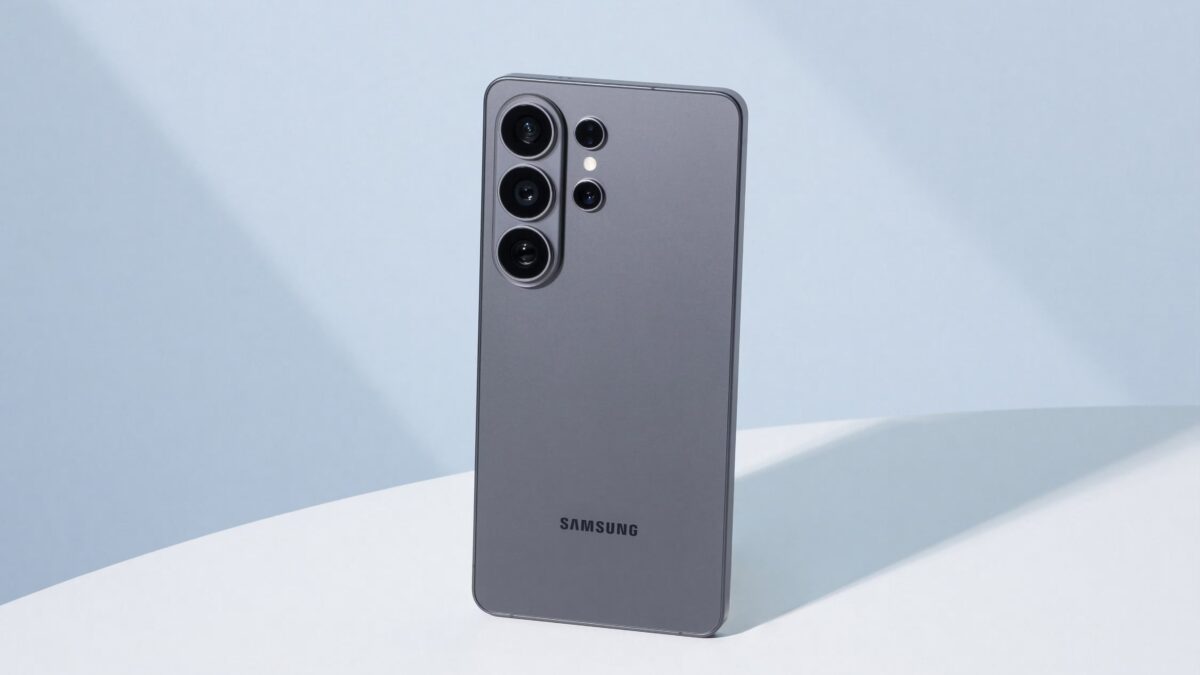
Samsung’s upcoming Galaxy S27 Pro could feature a 5000mAh battery-the same capacity as the larger Galaxy S26 Ultra-according to insider Schrodinger, also known as Phone Futurist. This would mark a notable shift for Samsung, packing a flagship-level battery into a more compact device with an estimated 6.4-inch display, rather than a traditional large-screen flagship.
Leaks suggest the Galaxy S27 Pro will essentially be a downsized version of the Galaxy S27 Ultra, delivering similar features in a smaller chassis. The same source recently revealed Samsung plans to upgrade the front camera to a 16-megapixel sensor on both models-something Samsung flagships have lacked for several generations.

Samsung’s cautious approach to battery technology seems to be driving the 5000mAh capacity choice. The company remains hesitant about widely adopting silicon-carbon batteries, preferring to stick to traditional lithium-ion cells until it is confident in their reliability, longevity, safety, and supplier readiness. In the meantime, Samsung is squeezing more life out of its classic battery chemistry and cell design.
There is also a financial reason behind Samsung’s conservatism. According to the insider, standard batteries cost Samsung roughly $12 to $15 million per million Galaxy S Ultra units produced. Switching to silicon-carbon batteries would increase costs to $22 to $28 million per million phones, excluding certification and manufacturing retooling expenses. For a brand selling millions of devices, that difference quickly adds up to tens of millions of dollars.
Compared to Chinese rivals, Samsung’s stance seems more restrained. Over the past year, brands like Xiaomi, Vivo, and OnePlus have launched compact flagships with noticeably larger batteries:
- Xiaomi 15 has a 5400mAh battery in a 6.36-inch frame
- Vivo X200 Pro mini packs 5700mAh at 6.31 inches
- OnePlus 13T offers over 6200mAh in a similarly sized body
For Samsung, reaching 5000mAh in a compact phone would be a step forward, but not a headline-grabbing leap. Whether it can maintain this capacity without significantly increasing device thickness remains an open question. We’ll likely get the answer at the Galaxy S27 lineup reveal early in 2027.
Samsung’s balancing act highlights the ongoing tension between battery innovation and production scale in the flagship smartphone segment. As competitors aggressively pursue higher capacities and new chemistries, Samsung appears to bet on incremental improvements and proven technology-at least for now. The next year will tell if this strategy pays off or if consumers will shift their attention to brands willing to push battery limits further.