

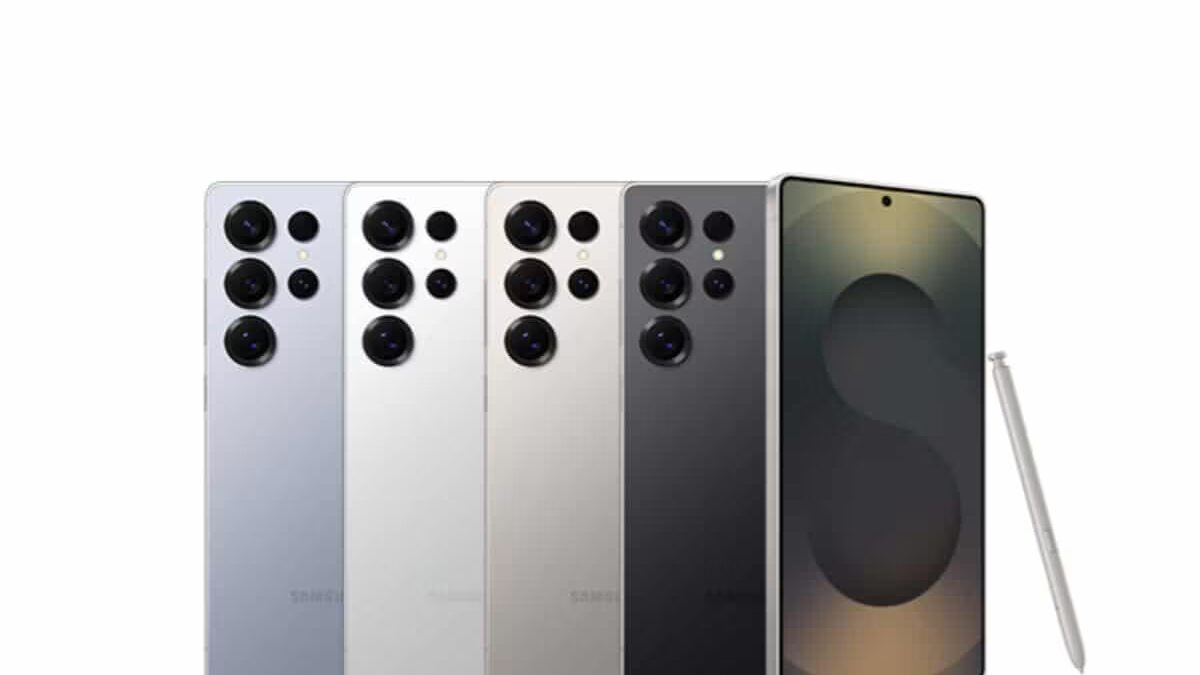
Samsung is set to boost the front camera specs on its upcoming Galaxy S27 Pro and Ultra models, according to leaks reported by MobilityArena. Both models will upgrade from the current 12-megapixel selfie cameras used in recent flagships to a sharper 16MP sensor.
The leaks also suggest Samsung will switch to a square-shaped sensor for the front camera. This design simplifies cropping photos for both portrait and landscape modes without needing to recalculate the composition for each orientation. For users, that means you can hold the phone any way you want, and the framing will adjust more cleanly with fewer compromises.

The changes don’t end there. The Galaxy S27 Pro is rumored to get a new 50MP telephoto lens with 3.5x optical zoom, stepping up its zoom game over the previous generation’s 3x zoom. Meanwhile, the Galaxy S27 Ultra may lose its dedicated 3x telephoto camera. If true, this would mark a shift in Samsung’s approach to flagship camera setups-moving away from multiple focal lengths scattered across modules to emphasizing fewer lenses with improved sensor quality and computational photography.
Samsung’s strategy differs from many current competitors like Apple and Google, who increasingly focus on streamlining camera arrays while pushing sensor size and AI-driven image processing to enhance quality rather than packing multiple specialized lenses. This could indicate Samsung is refining its balance between versatility and image quality in its top-tier phones.
The Galaxy S series represents Samsung’s flagship Android offering, competing directly with Apple’s iPhone and Google’s Pixel lines worldwide. Upgrading the selfie camera resolution and adjusting the telephoto lenses could address growing user demand for better front camera performance and smarter zoom capabilities. This is especially relevant as social media and video calls continue to influence smartphone camera priorities.
What remains is how Samsung will tune its image processing software to take full advantage of the new hardware. The shift to a square front sensor suggests the company is focusing on user-friendly framing flexibility. Still, the real test will be how these hardware choices perform in real-world shooting scenarios and whether the changes resonate with users who increasingly demand versatile camera systems without complexity.