

Xiaomi is shaking up its update strategy. Leaked internal builds for the Xiaomi 17 and 17 Ultra flagships reveal HyperOS 3.3 running on Android 17, rather than the expected HyperOS 4 launch. These are not public releases but engineering versions-usually a strong hint at what the company will roll out in the fall update cycle.
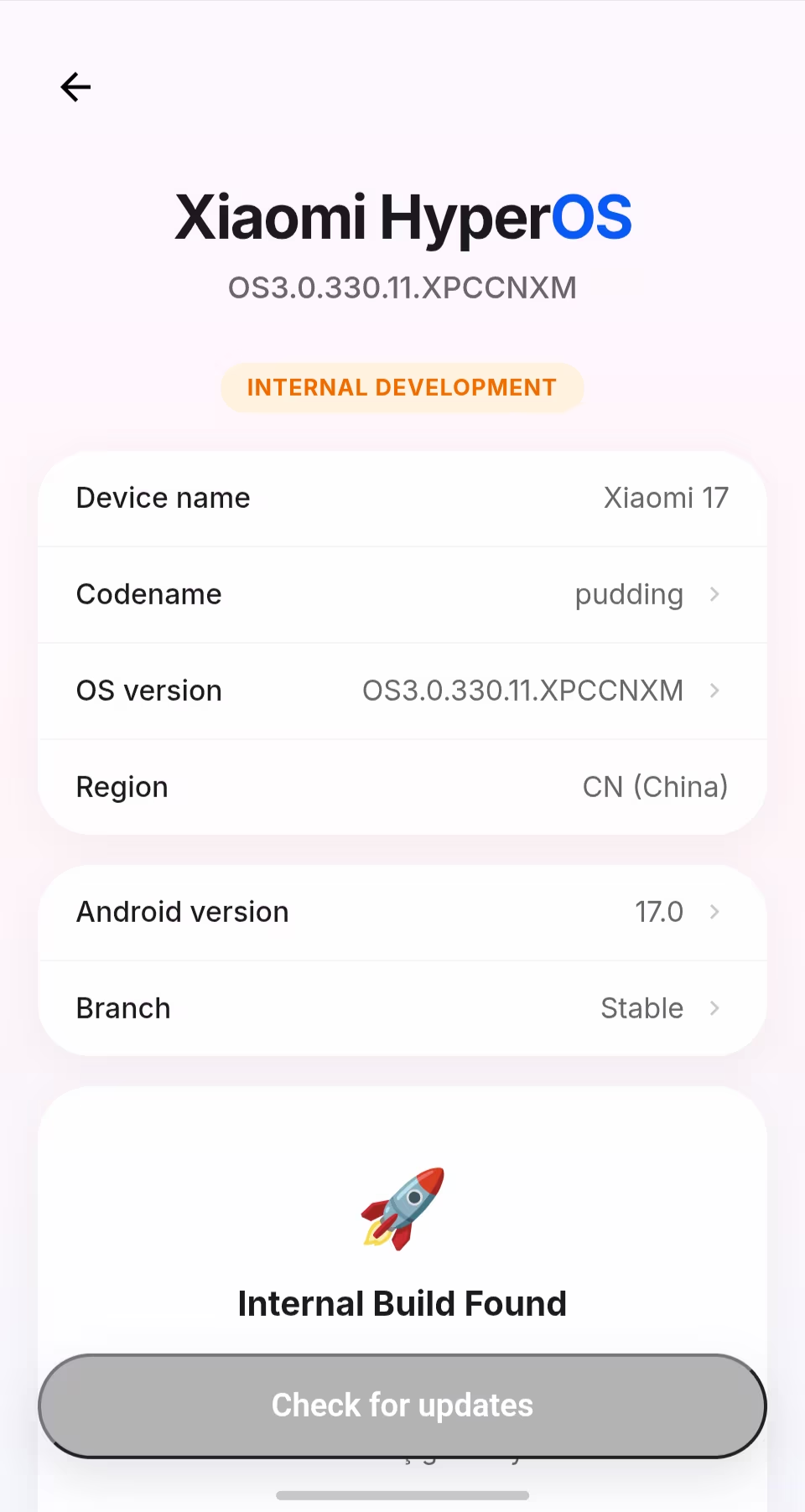
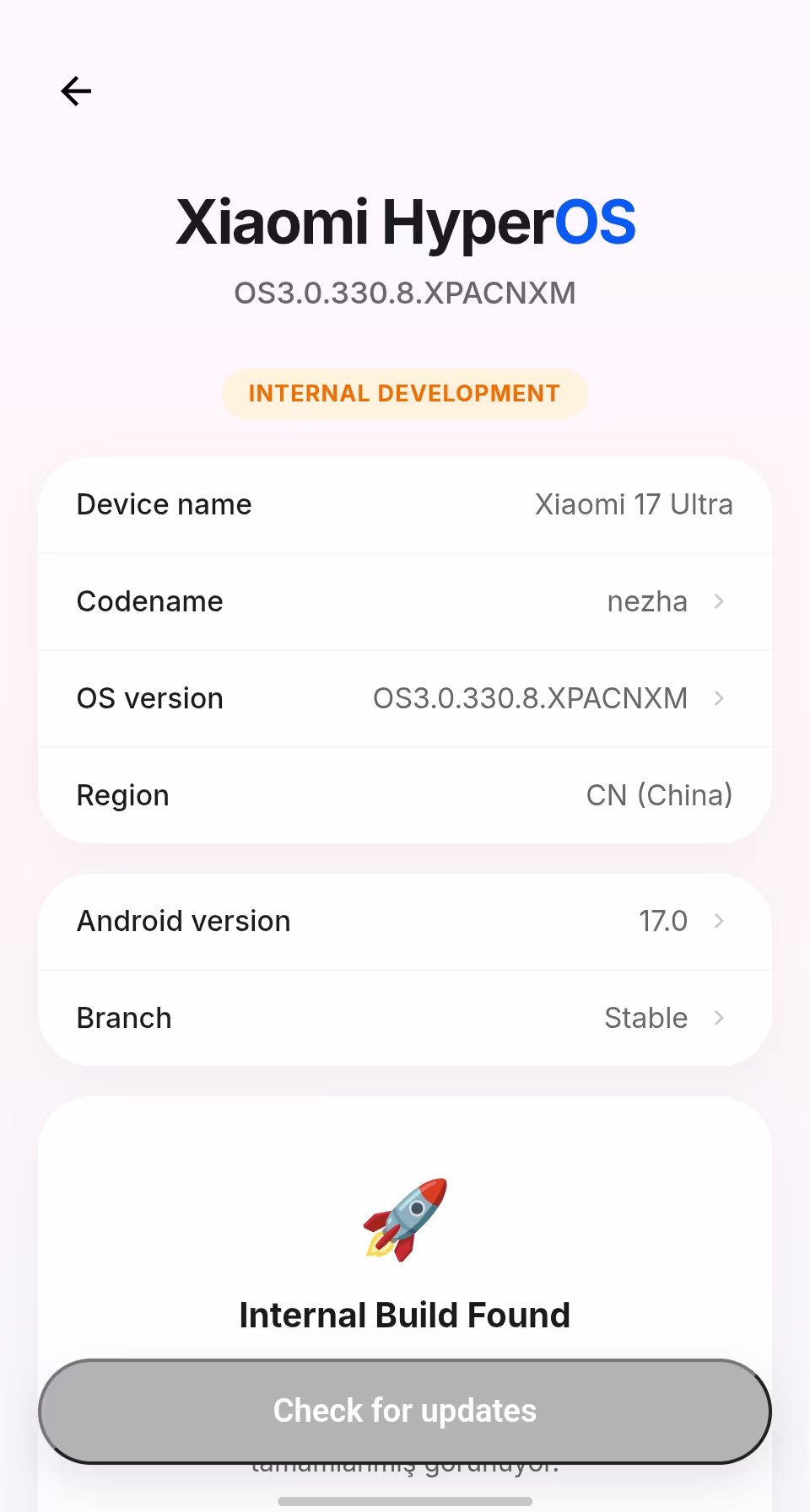
According to leaks, the Xiaomi 17 is being tested with firmware OS3.0.330.11.XPCCNXM, while the Xiaomi 17 Ultra runs OS3.0.330.8.XPACNXM. Notably, there is no mention of HyperOS 4 in either build. This doesn’t completely rule out a future jump to version 4.0, but it does indicate that Android 17 is currently tied to the HyperOS 3.x branch internally.
Xiaomi has already confirmed the next major HyperOS release based on Android 17 will arrive in July or August, likely accompanied by teasers revealing the official name and feature set. If the 3.x numbering sticks, it would mean Xiaomi is decoupling major Android version upgrades from its custom OS versioning. That’s unusual compared to competitors like Samsung, which normally aligns its One UI version directly with each new Android release.
The upcoming update is expected to bring interface tweaks, expanded personal AI capabilities, and deeper integration of the ”liquid glass” visual style. This incremental approach fits Xiaomi’s recent pattern-they’ve released smaller HyperOS iterations like 2.1 and 2.2 to layer in features gradually rather than all at once.
For context, Xiaomi is one of the key players in the global Android ecosystem, competing with Samsung and others by emphasizing performance and feature-rich skins. Their HyperOS attempts to differentiate on smooth AI-driven enhancements and sleek UI designs. Unlike Apple’s tightly controlled iOS update cadence, Xiaomi’s strategy shows flexibility in blending Android’s core with their own branding and innovations.
The naming question will be resolved soon. Google typically stabilizes new Android versions in the year’s second half, and Xiaomi aims to keep pace with that timeline on flagship devices. If HyperOS 3.3 appears publicly in the coming weeks, it signals that Xiaomi prioritizes speeding up Android 17 updates over rebranding its OS major version.
This move raises wider questions about how Android OEMs handle versioning and user expectations. Will Xiaomi’s approach gain traction, or will consumers prefer clear-cut milestones like a jump from 3 to 4? Watching how Xiaomi balances faster updates with brand identity could offer a glimpse into the future of Android customization and rollout strategies in 2026.