

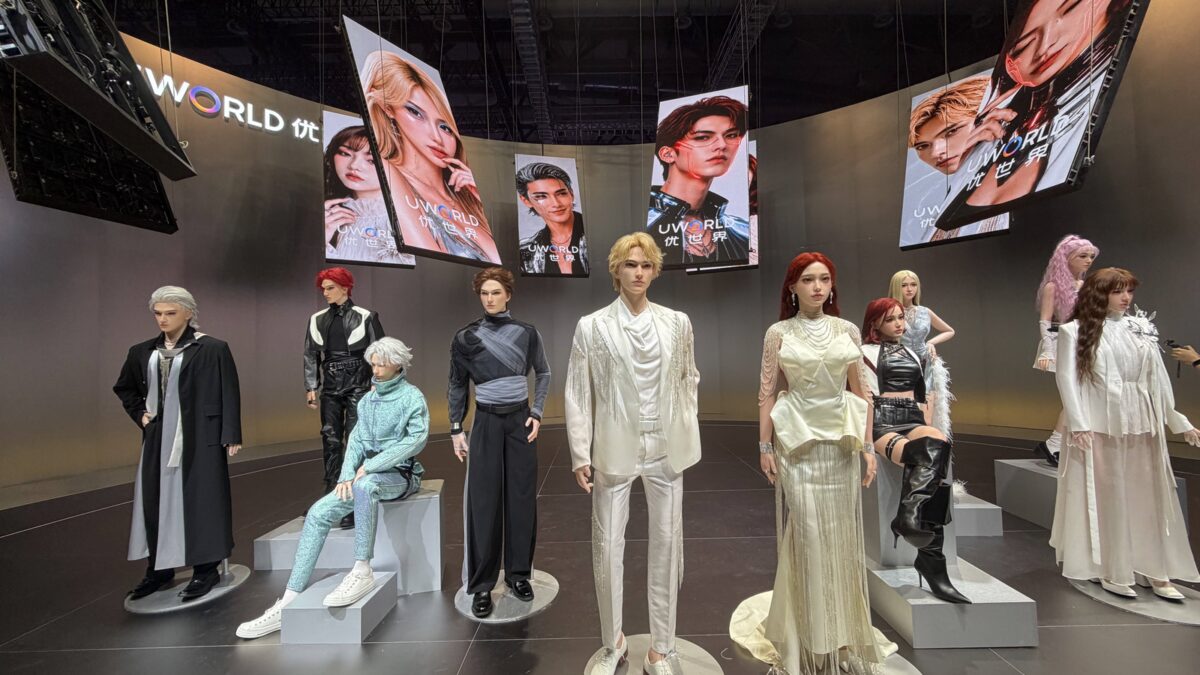
Ubtech’s U1 humanoid robots are selling fast, but the company’s latest pitch is still more uncanny than graceful: the ”emotional communication” robot now comes with visible-capillary skin, while the pricier model was seen moving on stage with the sort of stiffness that makes even a showroom demo look like hard work. The contrast is almost the whole story here. Buyers want hyperrealism; the hardware is still learning how to inhabit it.
That hasn’t stopped demand. In less than a day, Ubtech said it sold at least 13,361 U1 robots, with orders topping $300 million – a figure that would outstrip the company’s total revenue for 2025 if all of those orders are fulfilled. For a robotics firm, that’s the dream: huge preorders, buzz, and a product category that sells hope before it sells flawless motion.
U1 pricing and model lineup
The U1 family starts with the Lite version, which can only move its head, and rises to the U1 Pro and U1 Ultra. Ubtech positioned the robot as a companion for emotional interaction rather than a warehouse bruiser or factory workhorse, which is a very different bet from the industrial humanoid race being run by Tesla, Figure, and Unitree. Those rivals are chasing utility first; Ubtech is selling personality, and personality has a much shorter path to a preorder button.
- U1 Lite: head movement only
- U1 Pro: higher-tier consumer version
- U1 Ultra: the most expensive version shown dancing and walking on stage
Why the robot looks so human
Ubtech’s branding push leans heavily into the ”digital robot” idea. Before mass production and delivery begin, buyers can interact with a digital version in the app, and the company says the robot will feel familiar by the time it arrives. That’s smart marketing, because a humanoid that can barely dance but already feels like a companion may still be enough for early adopters who care more about the fantasy than the footwork.
”When you get the robot, it already knows you, like an old friend.”
Tang Ming, Ubtech
The bigger question is whether emotional realism can keep outrunning mechanical awkwardness. If the company can turn the U1 into something that feels responsive, expressive and less puppet-like in real homes, Ubtech has a new consumer category on its hands. If not, the visible-capillary skin may end up being the most human thing about it.