

Google has rolled out Nano Banana 2 Lite, a cheaper, faster AI image generator aimed at teams that need to create and edit visuals at speed. The company says it can produce an image in just four seconds, and its pricing is low enough to make bulk content work a lot less painful than the usual generative AI bill.
The new model is positioned as the leaner sibling to Nano Banana 2, which Google described in February as its ”universal workhorse”. That split makes sense: one model for heavier creative lifting, another for high-volume production where latency matters more than bragging rights. It is also a familiar play in AI right now, as rivals keep carving out separate tiers for premium quality and fast-turn, low-cost output.
Nano Banana 2 Lite price and speed
Google says Nano Banana 2 Lite costs $0.034 per 1000 images. That is the number that matters for anyone trying to keep a content pipeline under control, especially when the workflow involves repeated edits rather than one-off hero shots.
- Generation time: four seconds
- Price: $0.034 per 1000 images
- Use case: fast creation and step-by-step image editing
The model is available through Google AI Studio, Google Gemini Enterprise Agent, and the Gemini API. Google has also effectively retired the original Nano Banana, calling it an outdated model, which is a neat way of saying the upgrade cycle is now moving faster than most teams can finish their backlog.
Gemini Omni Flash expands into video
Google also widened access to Gemini Omni Flash, its video generator introduced at Google I/O. Pricing is set at $0.10 per second of output video, and Google showed off an Omni Product Studio app that turns generated stills into cinematic e-commerce clips.
That combination points to where the market is heading: not just better image models, but tighter pipelines that move from asset generation to finished marketing content with fewer handoffs. Adobe and other creative software vendors have been pushing similar automation stories, but Google’s pitch is more direct – feed the system, get something usable, repeat.
Google’s bet on high-volume content workflows
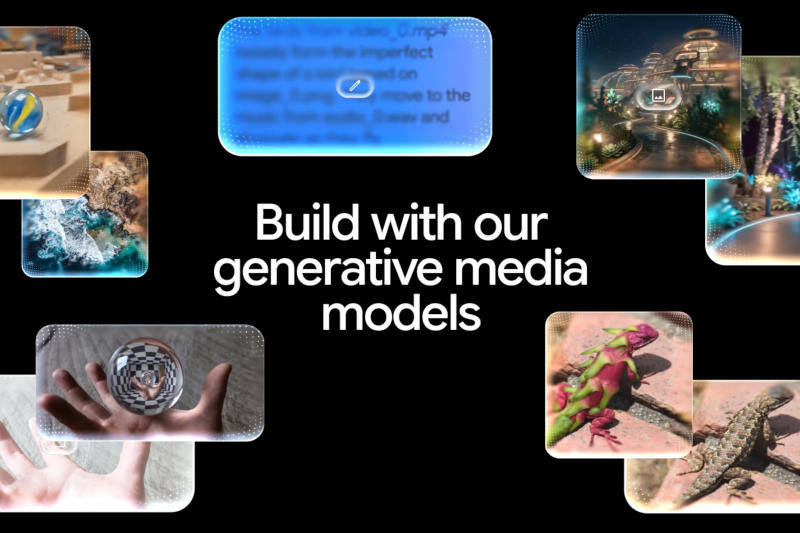
Google says the two models are meant to help developers build end-to-end multimedia systems that combine image generation, editing, and video creation. That sounds like standard AI sales copy, but the economics are the real story: fast enough for iteration, cheap enough for scale, and integrated enough to keep users inside Google’s tooling.
The open question is whether buyers will treat Nano Banana 2 Lite as a serious production tool or just another cost-cutting option for background tasks. If Google’s pricing and latency claims hold up in real workloads, expect more teams to reserve the heavier model for special jobs and let Lite handle the daily grind.