

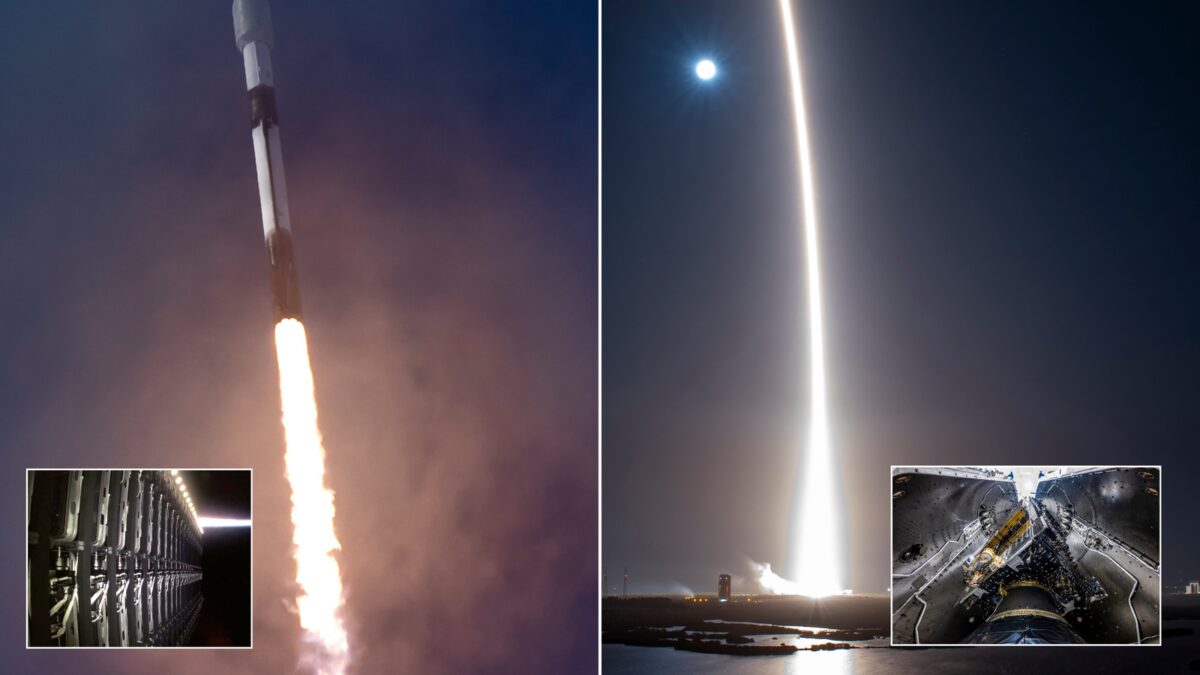
SpaceX packed two Falcon 9 launches into roughly 10 hours, splitting the work between California and Florida and using refurbished first stages for both flights. One mission carried 24 Starlink satellites, while the other sent SiriusXM’s SXM-11 toward orbit, underscoring how far the company has pushed rapid reusability as routine rather than headline material.
The Falcon 9 pace matters because it is doing two jobs at once: building out Starlink and still serving paying commercial customers. That mix is helping SpaceX dominate launch cadence while rivals are left trying to match both reliability and turnaround speed, a combination that is still hard to beat even before you factor in the company’s two-coast launch operations.
Starlink keeps expanding
The California launch added another 24 satellites to the Starlink network, extending a broadband constellation that has become the company’s most visible industrial machine. By the source’s count, SpaceX has now completed its 60th Falcon 9 launch carrying Starlink satellites in 2026 and has put nearly 1,600 new Starlink satellites into orbit in just six months.
That kind of output is unusual even by SpaceX standards. For competitors and regulators alike, the message is hard to miss: the constellation is still growing fast, and the launch tempo is not easing up.
SXM-11 heads to SiriusXM
The Florida mission was more traditional commercial launch work. SXM-11 is meant to replenish SiriusXM’s radio-broadcasting fleet and replace two aging spacecraft already operating in geostationary orbit, a reminder that not every SpaceX payload is part of the Starlink assembly line.
- Launches: two Falcon 9 flights
- Time between launches: about 10 hours
- Payloads: 24 Starlink satellites and SXM-11
- Reuse: both flights used previously flown first stages
How SpaceX keeps the Falcon 9 launch pace high
SpaceX has made this kind of cadence look normal, but that is partly the point. The real question is how long the rest of the industry can keep treating these back-to-back Falcon 9 missions as impressive exceptions when SpaceX keeps turning them into a schedule.