

Organic solar panels may finally have a way around their biggest flaw: as engineers push for higher voltage, efficiency usually slips, and if they chase efficiency, voltage gives up the fight. A new study from researchers in Sweden, Germany, and the Paul Drude Institute points to the mechanism behind that tradeoff and suggests a route to panels that could move beyond 20% efficiency while keeping the cost and manufacturing advantages that make organic cells attractive in the first place.
The basic appeal is easy to see. Organic photovoltaics use more abundant materials, are simpler to make, and could be cheaper than conventional silicon panels. The catch has been stubborn performance: silicon still wins on practical output, and organic devices have been trapped in a compromise that has slowed their climb from lab curiosity to real-world product.
Exciton lifetime is the real bottleneck
The team traced the problem to excitons, the bound electron-hole pairs created when light hits the material. Until those pairs split apart, they do not produce usable current, and the new work suggests that how long excitons survive and how much energy is lost during separation determines whether the device ends up with better voltage or better efficiency, but rarely both.
That is a more useful explanation than the usual hand-waving about ”material limits.” In practice, it means the bottleneck is not just chemistry in the broad sense, but the timing of charge separation inside the device. If researchers can keep excitons alive longer, they can cut losses without forcing a tradeoff that has dogged the field for years.
New materials showed the tradeoff can be broken
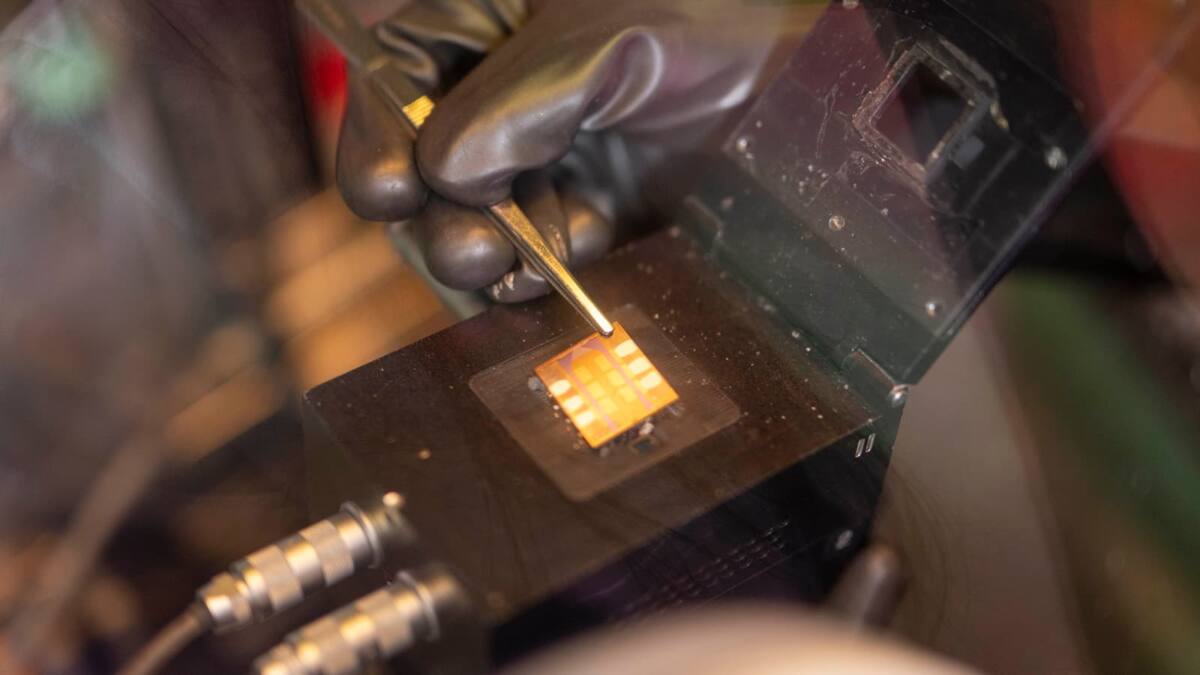
To test the idea, the researchers built new materials and assembled experimental solar cells. Those devices managed to deliver both high voltage and strong efficiency, which is the sort of result that sounds modest until you remember how often this category has been asked to choose one or the other.
- Organic panels are cheaper to produce than silicon-based ones.
- The key limitation has been the voltage-efficiency tradeoff.
- The new study points to exciton lifetime and separation losses as the mechanism to target.
- The researchers say the approach could help organic cells move above 20% efficiency.
What happens if the lab result holds up
There is still a long road between a promising prototype and a product that can survive weather, manufacturing tolerances, and the usual indignities of deployment. But if the same mechanism can be engineered consistently, organic solar panels could become a far more serious contender for low-cost, lightweight applications where silicon is overkill or too expensive.
The more interesting question now is not whether organic photovoltaics can improve, but whether they can improve fast enough to matter while silicon keeps getting cheaper and better. This study gives the field something rare: a target that looks specific enough to engineer around, rather than a vague promise that one day the physics will be nicer.