

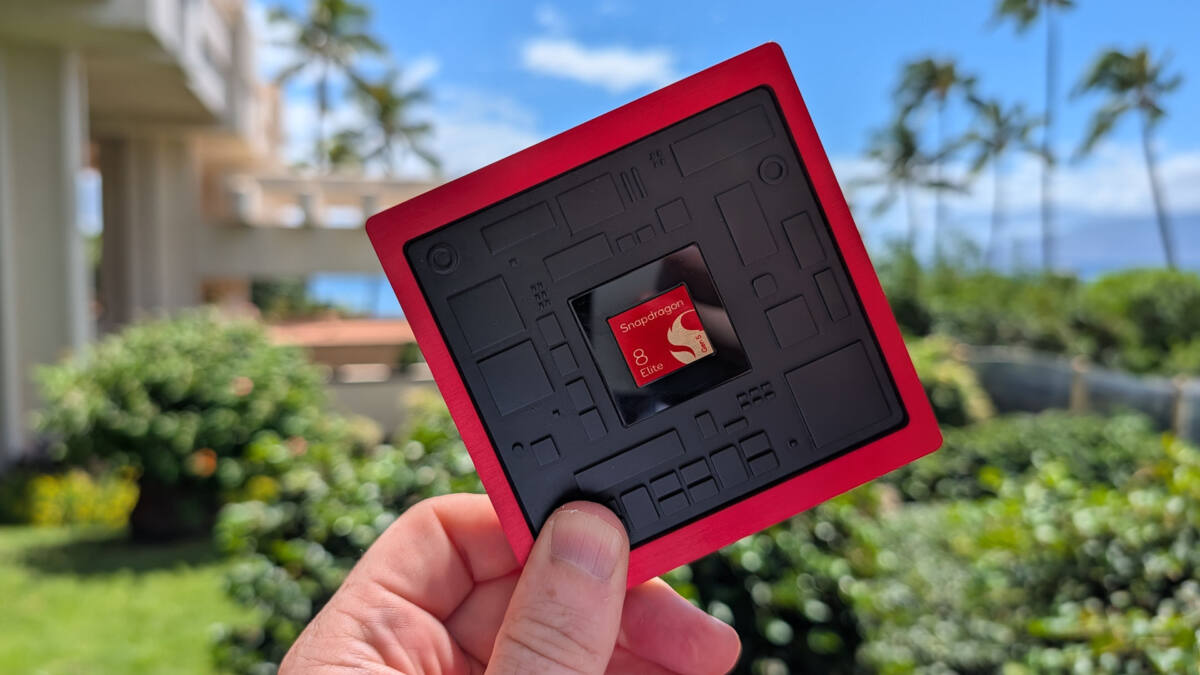
Qualcomm may be turning its clean-cut Snapdragon 8 family into a tiered maze this year. Leaks point to at least three versions in play – a standard Snapdragon 8, the Snapdragon 8 Elite Gen 6, and a Snapdragon 8 Elite Gen 6 Pro – with the pricier chips reportedly moving to TSMC’s 2nm process and the Pro model getting the strongest graphics and memory support.
That makes the Snapdragon 8 split a potential headache for buyers, but also a way for phone makers to match chipset cost more closely to their target price. The industry has been pushing premium Android phones higher in price for years, and chip cost is one of the least glamorous reasons why. If Qualcomm widens the lineup, brands get more room to choose a part without forcing every flagship into the same expensive bucket.
What the Snapdragon 8 split looks like
According to tipster Digital Chat Station, both Elite chips would use TSMC’s 2nm process, which would mark Qualcomm’s first mobile silicon on that node. The standard Elite Gen 6 is said to pair an Adreno 845 GPU with LPDDR5X memory, while the Elite Gen 6 Pro would step up to an Adreno 850 and LPDDR6 support.
- Standard Snapdragon 8: base tier
- Snapdragon 8 Elite Gen 6: Adreno 845, LPDDR5X
- Snapdragon 8 Elite Gen 6 Pro: Adreno 850, LPDDR6
Another leak from Reptalica goes further, claiming Qualcomm is testing six hardware samples of the Pro chip alone, split across three performance tiers and two memory configurations. That is a lot of knobs for a company that used to sell the story of one hero chip and maybe a cheaper follow-up.
Why Qualcomm is breaking the flagship model
The logic is simple: 2nm wafers reportedly cost close to double what 3nm production runs cost, and that jump lands directly on what handset makers pay. Counterpoint Research analysts estimate the new split could push Ultra-tier phone prices up $150 to $200 this year, which helps explain why Qualcomm would rather offer more rungs on the ladder than a single take-it-or-leave-it part.
There is a catch, of course. Earlier Snapdragon generations already showed real performance jumps, so the gap between these tiers probably will not be subtle. If the leaks hold, phone buyers may spend more time decoding chipset names than admiring camera bump designs, which is a deeply modern problem.
What to watch before launch
None of this is official yet, and the exact configuration count still looks fluid. But the direction is clear enough: Qualcomm appears to be moving toward a flagship family that is less about one best chip and more about carefully priced performance layers.
If that happens, the real winner may be phone makers trying to hit different price brackets without abandoning premium branding. The loser could be anyone who thought naming schemes were already bad enough.