

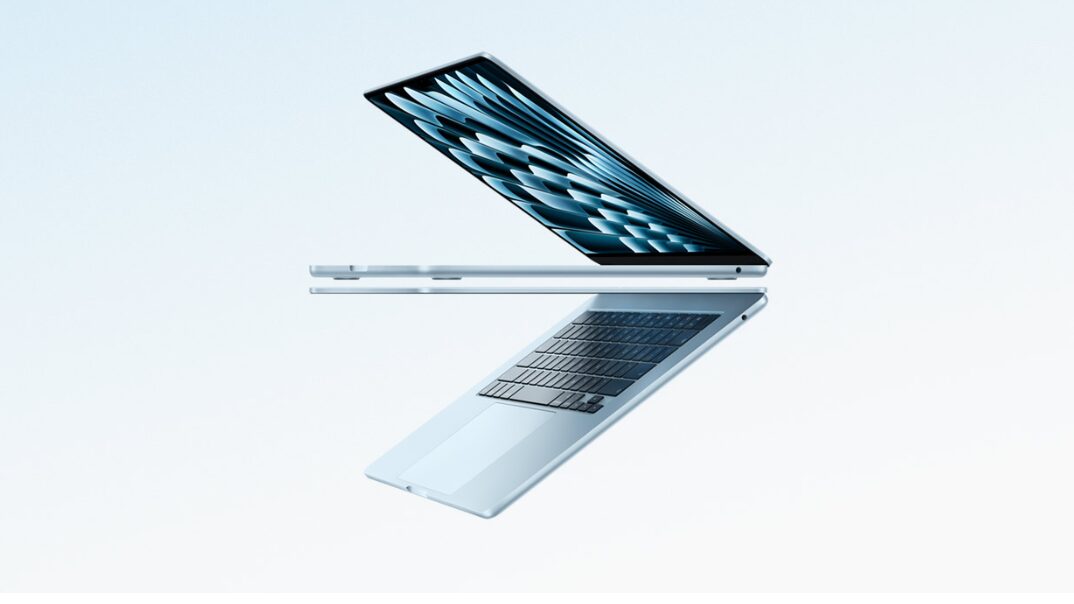
Apple has quietly made a broad round of price increases across its hardware lineup, and the timing is no accident. A global squeeze on memory and storage chips, fueled by AI demand, is pushing costs higher fast enough that even Apple is choosing to pass some of them on. The Apple price hikes now affect iPads, Macs, and Vision Pro in the online store.
The changes are already live in Apple’s online store. The hit spans smart speakers, streaming boxes, iPads, Macs, and even Vision Pro, with some of the biggest jumps landing on higher-end models that need more memory and storage in the first place.
Apple’s new prices across iPad, Mac, and Vision Pro
- HomePod mini: from $99 / €99 to $129 / €119
- HomePod: from $299 / €349 to $349 / €419
- Apple TV 4K: from $129 / €169 to $199 / €229
- Base iPad: from $349 / €429 to $449 / €529
- iPad mini: from $499 / €599 to $599 / €719
- 11-inch iPad Air: from $599 / €699 to $749 / €839
- 11-inch iPad Pro: from $999 / €1,199 to $1,199 / €1,439
- 13-inch iPad Pro: from $1,299 / €1,549 to $1,499 / €1,789
On the Mac side, the increases are just as aggressive. The entry-level MacBook Neo rises from $599 / €699 to $699 / €839, while the 13-inch MacBook Air climbs from $1,099 / €1,199 to $1,299 / €1,439. The 14-inch MacBook Pro and higher configurations are going up by $300 and more, which is Apple’s polite way of saying the expensive stuff got even pricier.
Mac mini, Mac Studio, and Vision Pro also jump
Desktops are not getting a pass either. The 256GB Mac mini is back in the lineup at $799, which is $200 more than before, and some Mac Studio configurations are rising by as much as $1,300. Vision Pro is also getting a fresh bump, now costing $200 more at $3,699 / €4,229.
That breadth matters. Apple usually likes to absorb supply shocks longer than most rivals, helped by its scale and supply chain leverage. This time, the pressure from AI infrastructure is strong enough that consumer devices are being caught in the blast radius too.
Why Apple is raising prices now
Tim Cook recently described the memory shortage as a ”hundred-year flood” in a Wall Street Journal interview, and that is the clearest sign yet that this is not a temporary nuisance. Apple says it spent years eating those costs, but the company now says that is no longer sustainable.
The average increase across the affected products works out to roughly $247. If you were already planning a purchase, the math is pretty simple: waiting is unlikely to help, and the next adjustment could go the wrong way again if chip supply stays tight. AI may be changing software headlines, but here it is changing the sticker price on everyday premium hardware.