

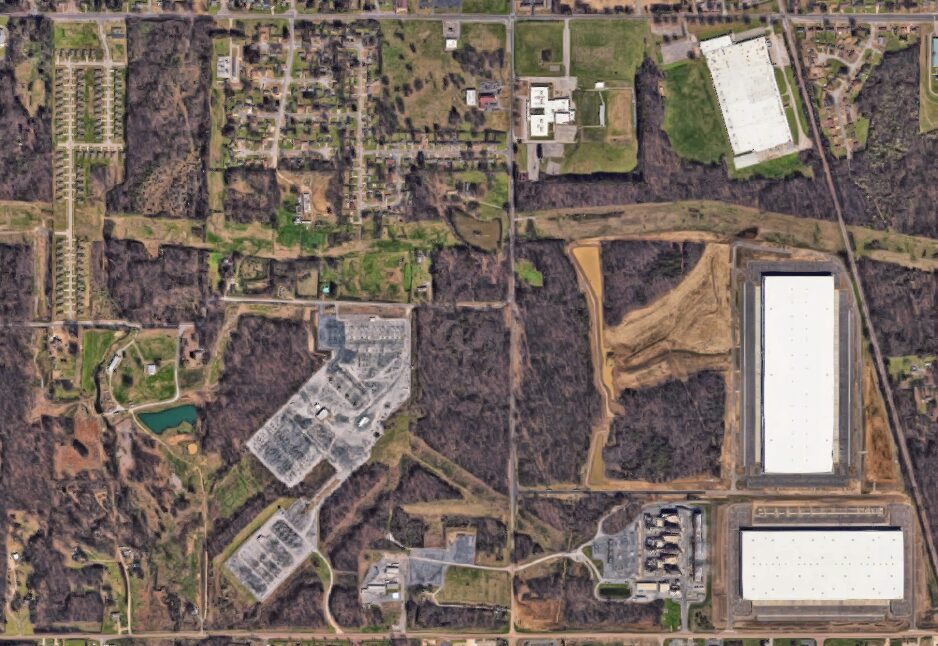
SpaceXAI says it will restart work on its Memphis wastewater treatment project in the first quarter of 2027, after nearly a year on ice. The roughly $80 million facility is pitched as the largest of its kind and is designed to support the company’s data centers and AI work while easing pressure on the local aquifer.
According to the company, construction should resume after talks with city officials. That is later than the fourth quarter of 2026 window Elon Musk floated, which is either a sign of cautious planning or just the usual gap between executive optimism and a shovel in the ground.
What the Memphis wastewater plant is supposed to do
The project was originally announced in February 2025, with SpaceXAI describing it as the world’s biggest water treatment installation of this type. It is expected to process up to 49.2 million liters of water a day, with some of the treated water flowing back into Memphis infrastructure to reduce strain on the region’s supply.
That scale matters because data centers do not just eat electricity. They also need water for cooling, and the bigger the AI ambitions, the more local utilities end up in the story whether they asked for it or not.
Why the project was paused
Construction began in September 2025, then stopped in April after the company shifted resources elsewhere and prepared for a possible IPO. During that pause, more attention went to expanding computing capacity inside its data centers – a choice that made short-term business sense, even if it did not help the optics around a half-finished infrastructure project.
By February 2026, leadership said the priority had changed and that key infrastructure would get finished first. The revived Memphis plan fits a wider pattern in AI: the giants are learning that compute alone is not enough, and the supporting pipes, power, and water systems are now part of the product stack.
A local project with broader AI infrastructure costs
After fresh discussions with Memphis officials, including the mayor and utility representatives, SpaceXAI confirmed it intends to return to the site. The company’s revised timeline keeps the project alive, but it also underscores how dependent modern AI buildouts are on local permitting, public infrastructure, and a level of civic patience that is not exactly infinite.
If the restart sticks, Memphis gets a rare piece of industrial infrastructure that could reduce water pressure on the city. If it slips again, the plant becomes another reminder that AI expansion is easy to announce and much harder to wire into the real world.