

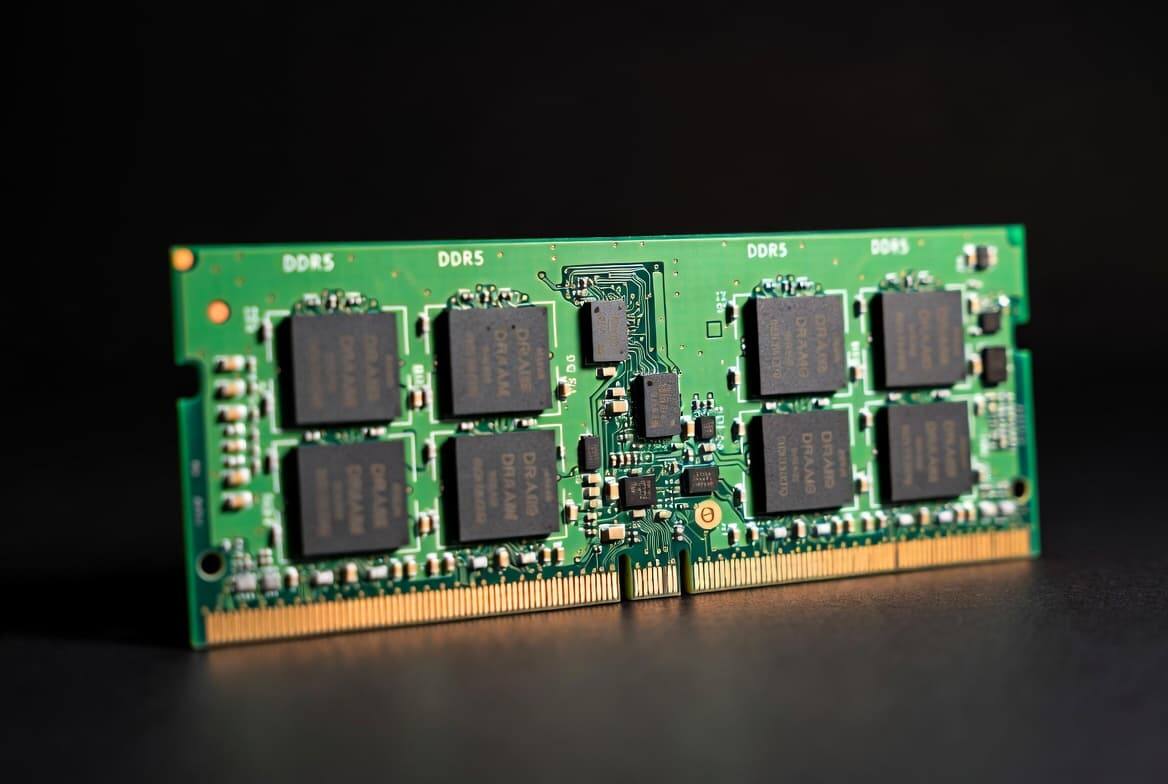
LPDDR5X has become a lot less friendly to phone and PC makers. In the second quarter, LPDDR5X prices jumped 89% as consumer DRAM prices surged and memory suppliers pushed production toward higher-margin parts, leaving mainstream chips in tighter supply and forcing some device makers to rethink orders.
That shift is hitting the market unevenly. SigmaIntell says LPDDR4X 4 GB rose 75% from the previous quarter, while LPDDR5X 12 GB climbed 89%, a brutal move for hardware bills that were already under pressure. The pattern also shows how quickly memory pricing can spill from servers into consumer devices when factories prioritize HBM, server DRAM, and eSSD.
LPDDR5X prices and LPDDR4X prices surge
The basic problem is simple: demand and supply are out of balance. Makers spent the quarter favoring premium products, which left less output for the chips used in smartphones and PCs, and that shortage gave suppliers room to raise prices across both enterprise and consumer lines. It is the kind of chain reaction the industry knows well, but buyers never enjoy paying for.
There is also a familiar split forming inside the market. Budget devices are seeing slower demand growth than midrange and high-end products, which may cool the pace of further increases a bit later in the year. But ”cooler” does not mean cheap, especially with inventory for general-purpose server DRAM sitting at just two to three weeks.
Server DRAM pricing is heating up too
The squeeze is not limited to handsets and laptops. General-purpose server DRAM is also trending upward, and cloud companies are still building inventory rather than relaxing it, which keeps procurement teams on edge. That matters because cloud buyers are often the biggest and fastest-moving customers in the queue, and when they panic-buy, everyone else pays more.
Jefferies has gone even further, saying global memory prices will rise significantly in the second half of the year and that a decline is not expected before 2028. If that call holds, the current spike looks less like a blip and more like the opening act of a longer repricing cycle.
What smartphone and PC makers may do next
For device makers, the response is straightforward if unpleasant: trim orders, protect margins, and hope buyers do not notice the compromise in specs. The better-funded brands can absorb more of the shock, while budget vendors may be forced to delay upgrades or ship thinner configurations. Either way, memory is turning into a line item with a louder voice than usual.
The bigger question is whether supply can catch up before those higher prices become the new baseline. If not, the second half of the year could bring more of the same: expensive memory, cautious OEMs, and a lot of quietly revised product plans.