

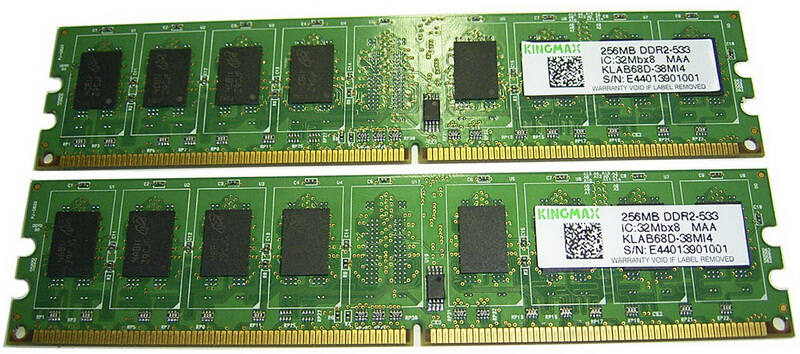
DDR2 prices are climbing again as a shortage of mature-node DRAM pushes electronics makers to hunt for substitutes and, in some cases, redesign products around older memory types. According to TrendForce, the squeeze on DRAM supply is already filtering down to legacy parts once thought safely out of the spotlight.
The immediate pressure is coming from AI infrastructure. The biggest DRAM suppliers are prioritizing modern nodes for HBM and server memory, which squeezes output of DDR4 and other mature products. That opens the door for Taiwanese makers such as Nanya and Winbond, but it also means demand is outrunning supply in the older corners of the market.
DDR2 contract prices are still climbing
TrendForce expects DDR2 contract prices to rise another 55% to 60% in the second quarter after a sharp increase in the first quarter, then add a further 35% to 40% in the third quarter. That is the sort of pricing curve that turns ”legacy component” into ”budget problem” very quickly.
- Second quarter: up 55% to 60%
- Third quarter: up 35% to 40% more
- Most exposed parts of the market: DDR2 and DDR3
OEMs are redesigning devices around older memory
The shortage is already forcing some OEM and ODM makers to rethink their designs. In some cases, products originally built for DDR4 are being reworked for DDR3, and some DDR3-based systems are being adapted to use DDR2 instead. Others are simply trimming the amount of memory installed to keep costs from spiraling further.
That kind of backward compatibility is a nuisance, but it is also a sign of how badly the supply chain is being distorted. When the newest chips suck up the factory capacity, the oldest ones stop being cheap and start becoming scarce.
Winbond, ESMT and the shrinking DDR2 pool
Winbond and ESMT are the key DDR2 suppliers mentioned by TrendForce. Winbond is gradually cutting back DDR2 output and shifting capacity to more profitable parts such as DDR3, DDR4 and LPDDR4, which could make the shortage worse before it gets better. ESMT, meanwhile, plans to raise production and take advantage of a rival stepping away from the segment.
That split tells the whole story: the market for old memory is no longer a place where anyone wants to make a living, only a place where someone has to. As long as AI spending keeps pulling fab capacity toward higher-margin memory, DDR2 is likely to stay weirdly expensive for a lot longer than anyone designing electronics for the real world would like.