

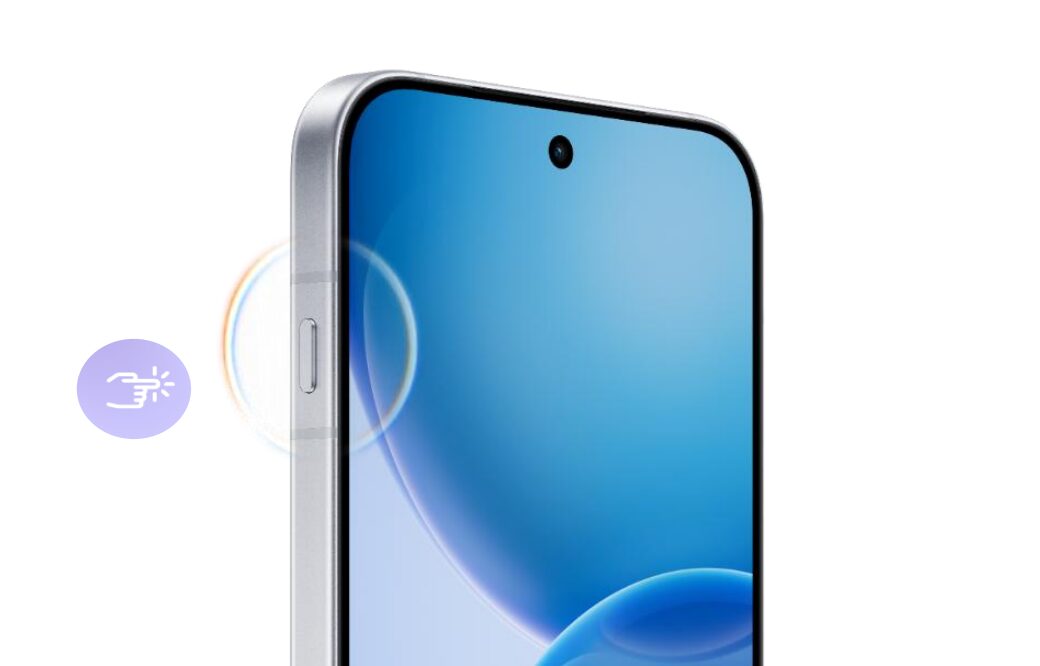
Oppo has officially shown the Reno 16 and Reno 16c, and the pitch is straightforward: make the phones look flashy, keep them slim, and wrap the whole thing in a lot of durability talk. The Reno 16 series is confirmed for India in these two models for now, while the Reno 16F, Reno 16, and Reno 16 Pro are set for a global debut on June 25 and an India launch in early July.
The eye-catching bit is Oppo’s ”India’s first HoloVerse 3D design,” which appears on the Starry White version. The rear finish creates a naked-eye 3D effect with a planet-like element that seems to float under the back panel, shifting with angle and light. It is the kind of visual trick smartphone brands love because it photographs well, even if most buyers will cover it with a case within 10 minutes.
HoloVerse 3D design and color options
Oppo says the effect comes from a dual-layer optical structure and millions of precision microlenses. The phones also get a floating glitter effect and a redesigned camera ring, which should help the Reno 16 lineup stand out in a crowded midrange segment where everybody claims ”premium” and then ships another slab of glass.
- Color options: Starry White, Twilight Violet, and Stellar Purple
- IP ratings: IP66, IP68, IP69, and IP69K
- Reno 16 frame: aerospace-grade aluminum
Reno 16 display, size, and battery-friendly build
The Reno 16 uses a 6.32-inch AMOLED display with FHD+ resolution, a 120Hz refresh rate, and ultra-slim 1.6mm bezels for a 93.4% screen-to-body ratio. The Reno 16c goes bigger at 6.57 inches, also with FHD+ resolution and a 120Hz refresh rate. Peak brightness is listed at 1,800 nits on the Reno 16 and 1,400 nits on the Reno 16c, which should help outdoors more than marketing slides ever will.
In hand, the numbers are reasonable rather than absurd: the Reno 16 is 8.22mm thick and weighs 182 grams, while the Reno 16c measures 8.44mm and 195 grams. The aluminum frame on the Reno 16 is a nice touch, especially in a segment where plastic still gets dressed up as ”lightweight engineering.”
AI Snap Key and Oppo’s software play
The more interesting hardware addition is the AI Snap Key, a customizable side button debuting on the Reno series. Oppo says it can launch the camera, flashlight, recorder, translator, and other functions, and it ties into the company’s AI Mind Space platform, which integrates Gemini, Perplexity, and ChatGPT features for saving and retrieving information.
That points to where the real competition is headed: not just thinner phones, but more useful shortcuts and AI hooks that feel native instead of bolted on. Oppo is also expected to announce the Oppo Bubble accessory and Enco Air 5 TWS earbuds alongside the phones, which is classic ecosystem bundling, because one device launch is never enough if there are accessories to sell too.
Oppo Reno 16 price and launch details
Oppo has not announced official pricing for the Reno 16 or Reno 16c yet. Based on the company’s current rollout plan, the phones are due to make their global debut on June 25, with an India launch following in early July.
The Reno 16 and 16c are clearly aimed at buyers who care about design first, display second, and specs that sound premium without pushing flagship prices into awkward territory. If Oppo can keep the pricing sharp, the combination of slim bodies, high brightness, and heavy-duty water resistance should give the series a clean shot at the midrange crowd – especially against rivals that lean on camera count and call it innovation.