

That kind of concentrated income surge does not stay neatly inside fab walls. It spills into spending, wage bargaining, and local retail, which is why the central bank says the effect can spread from a handful of companies into broader price pressure.
AI is paying, and everyone else is feeling it
The weird twist is that artificial intelligence is simultaneously boosting South Korea’s export machine and complicating its inflation fight. The companies winning from AI memory demand are taking the cash; the central bank, unions, and consumers are left dealing with the ripple effects.
There are already signs the spillover is moving beyond semiconductors. Unions are pointing to the record bonuses in wage talks, while spending on premium goods is rising in Gyeonggi Province, home to factories tied to Samsung and SK hynix. If the chip cycle stays hot, the next question for policymakers is whether these bonuses are a one-off jolt or the start of a broader wage-price chase.
- A Samsung Foundry employee with a base salary of about 80 million won can receive up to 626 million won in bonuses, or about $410,000.
- At SK hynix, payouts in a strong year can exceed 700 million won.
- Under an optimistic scenario next year, those bonuses could approach $900,000.
That kind of concentrated income surge does not stay neatly inside fab walls. It spills into spending, wage bargaining, and local retail, which is why the central bank says the effect can spread from a handful of companies into broader price pressure.
AI is paying, and everyone else is feeling it
The weird twist is that artificial intelligence is simultaneously boosting South Korea’s export machine and complicating its inflation fight. The companies winning from AI memory demand are taking the cash; the central bank, unions, and consumers are left dealing with the ripple effects.
There are already signs the spillover is moving beyond semiconductors. Unions are pointing to the record bonuses in wage talks, while spending on premium goods is rising in Gyeonggi Province, home to factories tied to Samsung and SK hynix. If the chip cycle stays hot, the next question for policymakers is whether these bonuses are a one-off jolt or the start of a broader wage-price chase.
Samsung and SK hynix bonuses are starting to do something South Korea’s policymakers rarely like: show up in household wallets. The Bank of Korea says huge bonus payments at Samsung Electronics and SK hynix are creating a new inflation risk, with some employees receiving compensation that runs into the hundreds of thousands of dollars and could help push consumer prices higher.
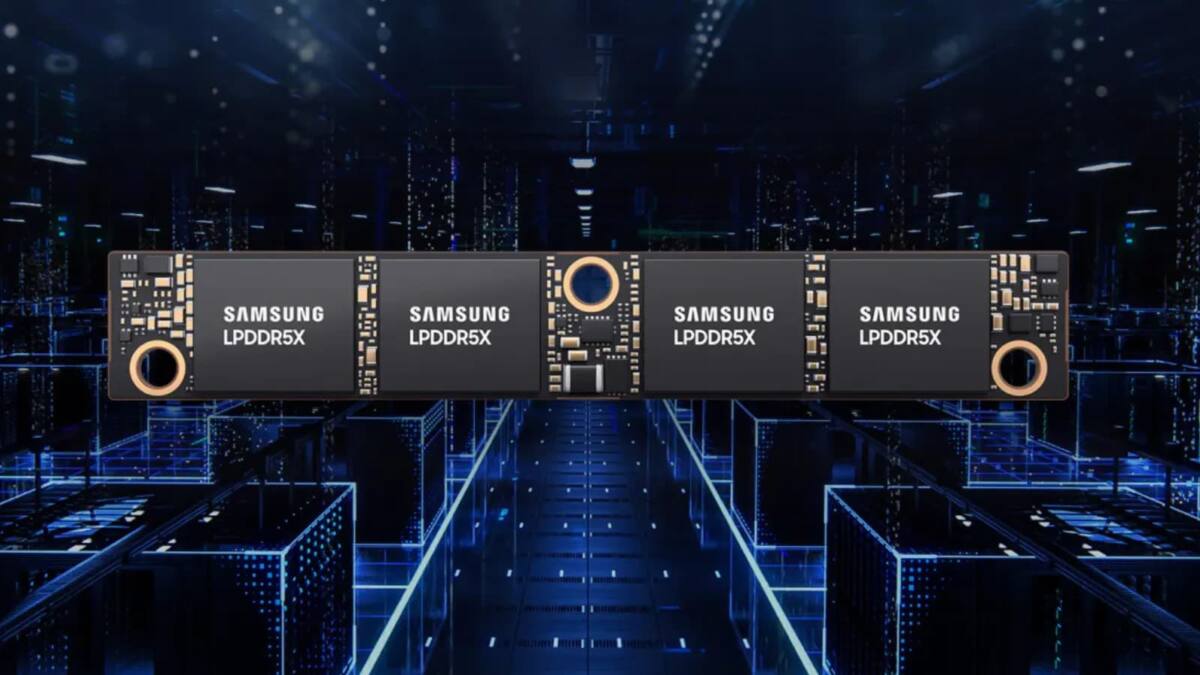
The awkward part for Seoul is that the culprit is not a runaway consumer frenzy, but the AI memory supercycle. Demand for high-bandwidth memory used in AI accelerators has lifted DRAM and NAND prices, fattened chipmakers’ profits, and turned bonus formulas into a macroeconomic headache.
How Samsung and SK hynix bonuses became a policy problem
In its latest price stability report, the central bank warned that special payments at the two chip giants are now large enough to affect wage expectations across the economy. In the first quarter, special payouts in the IT sector rose 60.6% from a year earlier, while the rest of the economy saw growth of only about 2.1%. That gap is exactly the kind of thing that makes central bankers reach for their stress balls.
The Bank of Korea kept its benchmark rate at 2.50% in May and expects inflation around 2.7%, above its 2% target. A central bank governor does not need many more reasons to sound wary, especially when the model suggests these ”targeted windfalls” can lift consumer prices by 0.05 percentage point after about five months.
The scale of the payouts at Samsung and SK hynix
The bonus math is eye-watering even by tech standards. SK hynix allocates about 10% of operating profit to employee payouts, while Samsung sets aside about 10.5% of semiconductor division profit after union pressure. That has left some workers with compensation packages that look less like bonuses and more like lottery wins wearing a tie.
- A Samsung Foundry employee with a base salary of about 80 million won can receive up to 626 million won in bonuses, or about $410,000.
- At SK hynix, payouts in a strong year can exceed 700 million won.
- Under an optimistic scenario next year, those bonuses could approach $900,000.
That kind of concentrated income surge does not stay neatly inside fab walls. It spills into spending, wage bargaining, and local retail, which is why the central bank says the effect can spread from a handful of companies into broader price pressure.
AI is paying, and everyone else is feeling it
The weird twist is that artificial intelligence is simultaneously boosting South Korea’s export machine and complicating its inflation fight. The companies winning from AI memory demand are taking the cash; the central bank, unions, and consumers are left dealing with the ripple effects.
There are already signs the spillover is moving beyond semiconductors. Unions are pointing to the record bonuses in wage talks, while spending on premium goods is rising in Gyeonggi Province, home to factories tied to Samsung and SK hynix. If the chip cycle stays hot, the next question for policymakers is whether these bonuses are a one-off jolt or the start of a broader wage-price chase.