

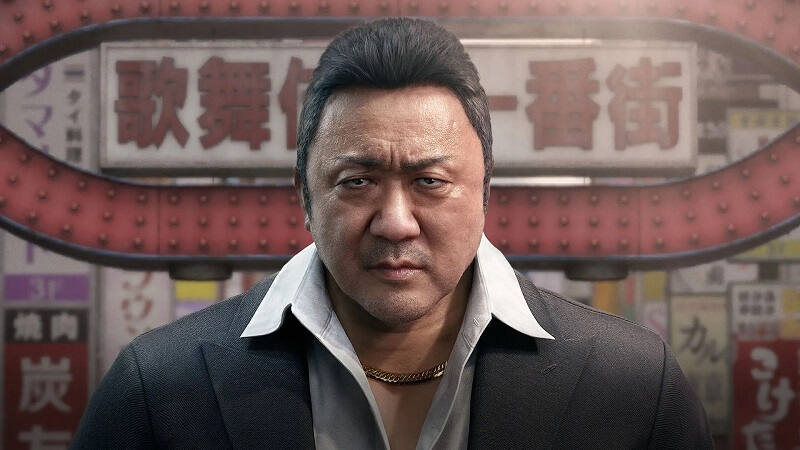
The studio behind Yakuza creator Toshihiro Nagoshi’s next big swing may already be gone. Signs have piled up around Nagoshi Studio – from a vanished website and disappearing YouTube presence to a Google Maps listing marked ”permanently closed” – and the company’s former co-founder has now described himself as an ex-employee, which is about as subtle as a brick through a window.
That leaves Gang of Dragon looking increasingly like a casualty of NetEase’s decision to pull funding in May. According to earlier reports, the project needed at least 7 billion yen, or $44.4 million, more to keep moving, and Chinese publisher NetEase was the company backing the Tokyo-based studio. In the games industry, that kind of money gap usually doesn’t close itself.
Signs Nagoshi Studio is shutting down
What makes the situation hard to dismiss is the pattern. Official channels have gone dark, then flickered back, then gone dark again. Meanwhile, Japanese games media recently described Nagoshi himself without the title that once mattered most: studio head. That is not the sort of wording companies choose when everything is fine behind the curtain.
There’s a wider lesson here, too. Big-money Japanese studio launches backed by outside publishers have a habit of sounding more stable than they are, especially when they are built around one famous creator and one expensive project. When the money stops, the branding disappears fast.
Gang of Dragon PC release details
Gang of Dragon had been confirmed only for PC via Steam, with a pitch built around a Tokyo-set crime story, a Korean gangster protagonist, Ma Dong-seok of ”Train to Busan,” hand-to-hand combat, and car chases. It sounded like a clean sales pitch for fans of cinematic action. It now sounds more like a project that never got far enough to justify the hype machine around it.
- Studio: Nagoshi Studio
- Creator: Toshihiro Nagoshi
- Project: Gang of Dragon
- Platform announced: PC, via Steam
- Reported extra funding need: 7 billion yen ($44.4 million)
What happens if the brand survives without the studio
There was still talk that the studio could keep its assets and trademark, but only if someone paid for them. That opens the usual ugly fork in the road: the name survives, the team does not, or the team scatters and the game vanishes into the industry’s favorite archive – the folder marked ”almost happened.”
If Nagoshi does resurface with a new backer, it will almost certainly be under a different banner and with a much smaller appetite for expensive promises. If not, Gang of Dragon may become one more reminder that creator-led studios are only as strong as the cash flow behind them.