

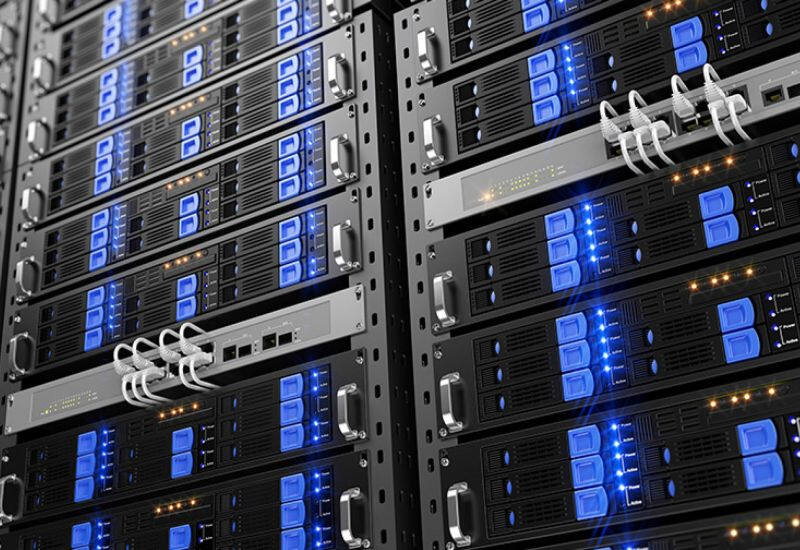
Data centers were already a headache for nearby residents because of land use and electricity bills. Now there is a more visceral complaint: the steady drone, vibration, and low-frequency hum from cooling systems, backup generators, and round-the-clock operation is pushing some people to court.
That is a bad look for the industry as data center noise becomes a bigger issue. In the U.S. alone, more than 3,000 data centers are operating and about half that number is being built, while almost 40% of U.S. homes are said to sit within 8 km of at least one facility. That is a lot of people living close enough to hear the business of cloud computing, whether they asked to or not.
What residents say they hear
The complaints are not subtle. Residents describe a sound that can resemble a jet high overhead, a truck idling outside the window, or an air-conditioning unit that never shuts up. In some cases, the noise can be heard from a couple of kilometers away, and several lawsuits filed last month in three small U.S. cities argue that the impact goes beyond irritation and into health and property-value damage.
People living near these sites say the worst part is the night shift effect: the noise becomes more noticeable when everything else is quiet and sleep is the only thing on the agenda. Reported symptoms include sleep disruption, headaches, increased intracranial pressure, and general unease, which sounds uncomfortably like the kind of everyday misery planners tend to forget about until the lawyers arrive.
Why data center noise is hard to regulate
The problem is partly technical and partly bureaucratic. Cooling fans, diesel generators, and other equipment can create sound and vibration that existing health and building rules do not really measure well, especially the low-frequency rumble that people feel more than hear. Add the fact that U.S. noise oversight was weakened decades ago, and you get a system that can say a project complies while neighbors still lose sleep.
Traditional noise sources such as airports and highways also tend to quiet down at night. Data centers do not. They run 24/7, which means the background hum never gets a curfew.
- Cooling fans and industrial ventilation are a major source of noise
- Diesel generators can add more sound during operations or backups
- Infrazound and vibration may affect people even when the noise is hard to hear
How operators are trying to blunt the backlash
Some operators are trying to get ahead of the problem before it turns into a permanent zoning war. DataOne, which is building a data center in New Jersey, told The New York Times it wants to work with the local community to reduce noise. Other builders are offering to buy nearby homes at market price and help people move, a blunt but pragmatic way to turn neighbors into former neighbors.
Alliance Cloud Services says it designs facilities with a minimum buffer from nearby homes, and that is probably the smarter long-term play. Alternative cooling is another route: immersing hardware in dielectric fluid or using water blocks can cut noise by 50% or more, but those fixes are expensive and not exactly a free lunch for a sector already burning cash on construction.
Data center siting is becoming the next fight
Many new facilities are also being built on former industrial sites rather than isolated greenfield plots, which puts them closer to homes than developers would like to admit. That means the next round of opposition is likely to focus less on abstract digital infrastructure and more on very physical problems: who gets the buffer zone, who absorbs the property-value hit, and who gets stuck listening to server farms all night.
If regulators keep ignoring vibration and low-frequency noise, the lawsuits probably will not stop at three small cities. The cloud may be invisible, but the machinery behind it is not, and residents are starting to make that everyone’s problem.