

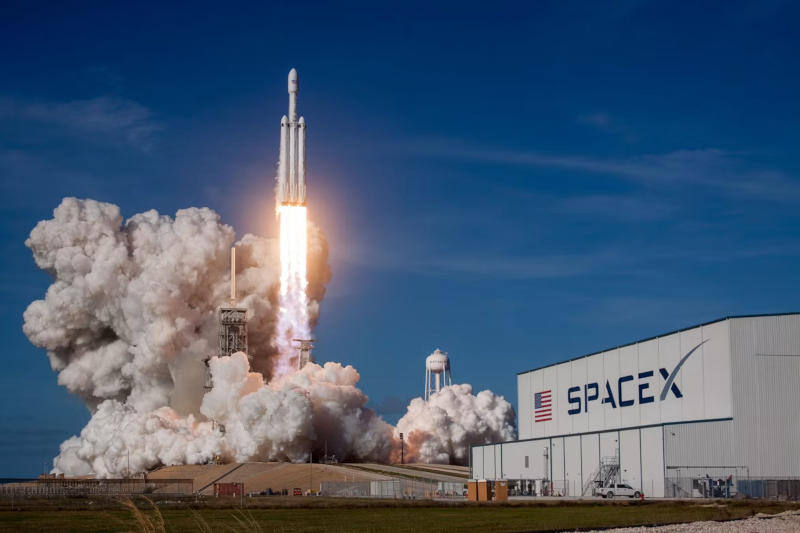
SpaceX shares kept climbing before the opening bell in New York, extending a blistering post-IPO rally that has already added 50% in three trading sessions. After a 40% gain across the first two days of trading, the shares rose another 11% on Monday, pushing the company’s valuation past $2.5 trillion and within striking distance of the roughly $2.7 trillion attached to Amazon.
The speed of the move says as much about investor appetite as it does about SpaceX itself. Mega-listings often need a strong first-week performance to prove the market can absorb them, and this one has already soaked up a wave of retail buying without breaking stride. That is a useful signal for underwriters and an awkward one for anyone still waiting for the usual post-debut hangover.
A larger SpaceX IPO than planned
SpaceX also tapped an additional share sale option tied to the IPO, allowing underwriters to place another 83.3 million shares. That lifted the total amount raised to $85.7 billion, a number big enough to make even a routine Wall Street fee look modest by comparison.
Retail traders bought as many SpaceX shares in the first two days as they had across the entire previous week of U.S. stock trading, according to the source material. For a company with a reputation built on rockets and now AI technology, that kind of demand matters because it suggests the market is treating the listing less like a novelty and more like a heavyweight index candidate in waiting.
Amazon is now the nearest target
At more than $2.5 trillion, SpaceX has moved into rarefied company fast. The comparison with Amazon is the obvious one, but the more interesting story is how quickly a newly listed company can compress the usual timetable for reaching that scale. If this pace holds, the debate will shift from whether the IPO can clear the market to how long the valuation can outrun gravity.
What happens after the first wave
The next test is simple: can SpaceX keep attracting buyers once the debut frenzy cools? Early demand has answered the immediate question, but the harder one is whether the stock can hold onto these gains after the first few sessions stop feeling like a launch countdown.