

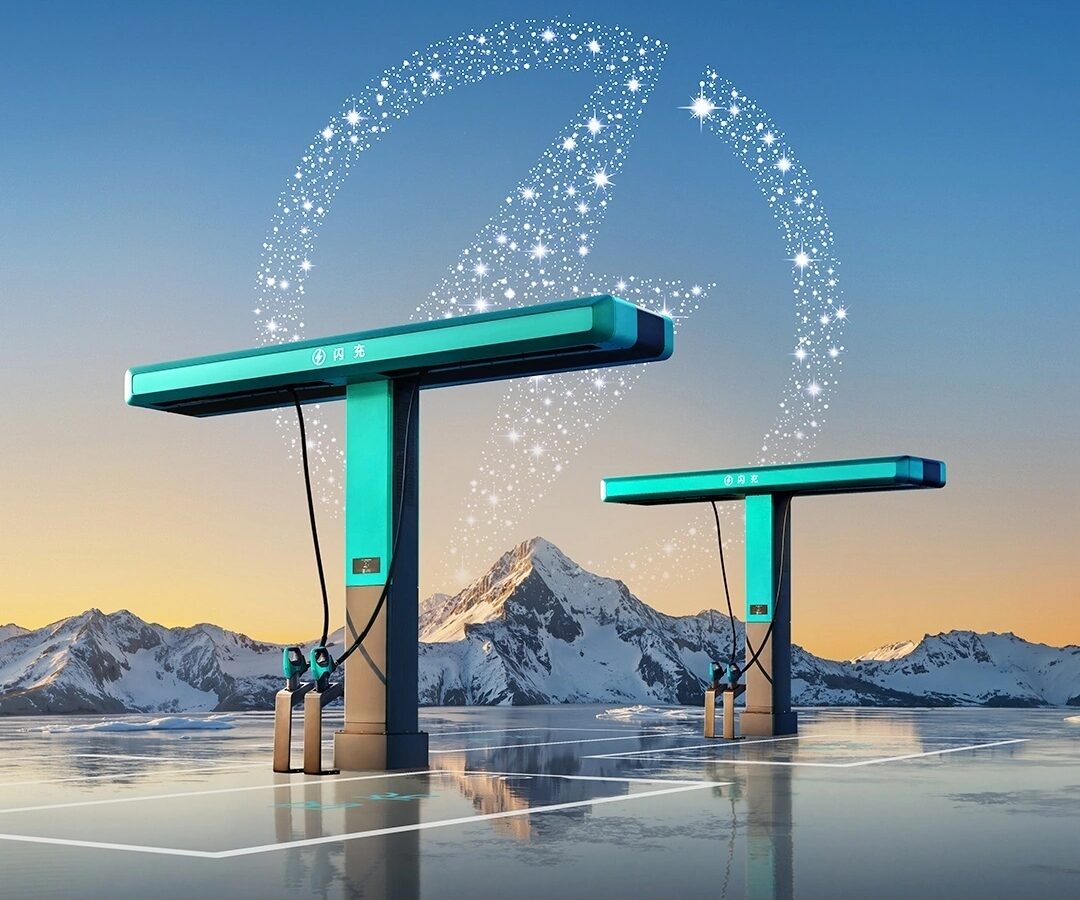
BYD is getting its 1,500 kW charging rollout ready in Canada before it has even sold a car there. The Chinese automaker, which has already shown off the system, is now hiring in Toronto for a business development manager to help build out a local charging network – a bold move in a market where the brand is still waiting for official vehicle sales.
The pitch is aggressive enough to make most EV charging roadmaps look sleepy. BYD says cars with its second-generation Blade battery and 1000 V architecture can add 400 kilometers of range in just five minutes, putting the experience closer to a gas stop than a long coffee break. That kind of headline is designed to sell an ecosystem, not just a charger.
BYD’s 1,500 kW charging push reaches Canada first
The Toronto job listing suggests BYD is laying the groundwork for more than a single demo unit. It wants a local operator to organize deployment of the fast-charging network, a sign that the company is thinking beyond vehicle imports and toward the kind of infrastructure race that Tesla, Hyundai, and a growing number of Chinese EV brands have used to lock in customers.
That strategy also fits BYD’s broader export ambitions. The company has been especially vocal about Europe, where it plans roughly 3,000 charging stations by the end of next year. Based on an estimated cost of 580,000 euros per station, the European buildout works out to about $2 billion in total investment – expensive, yes, but the sort of spending that can make a charger network look less like marketing fluff and more like a moat.
What BYD says its 1,500 kW system can do
- Power output: 1,500 kW
- Range added: 400 kilometers in 5 minutes
- Battery: second-generation Blade battery
- Vehicle architecture: 1000 V
BYD’s charging ambitions do not stop at Canada and Europe. The company says the same network will also be rolled out in Australia and New Zealand, while Latin America, the Middle East, and Africa are still in planning. That is a wide map for a brand that is still building awareness outside China, but it also shows where the next fight in EVs is headed: not just who sells the car, but who controls the plugs.
For now, BYD has one more proof point to point to. A jointly developed BYD Flash Charger 2.0, created with Sinopec, has already entered service in Wenzhou in Zhejiang province. The next question is whether Canadian drivers will see the hardware before they see the cars it is meant to feed.