

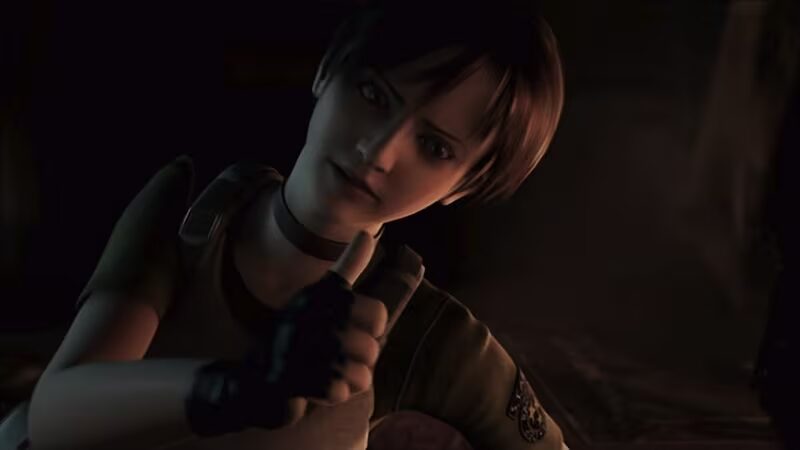
Capcom has reportedly hit the reboot button on the Resident Evil 0 remake, handing the project over to its in-house Division 1 studio, according to insider AestheticGamer. This internal team is responsible for the major Resident Evil releases, suggesting Capcom is rebuilding the remake from the ground up despite several years of prior development on it.
AestheticGamer, also known as Dusk Golem, shared this update following his early reports about the Resident Evil Code: Veronica remake. He noted that at one point, the Resident Evil 0 remake was well into production, but Capcom decided to restart development. The previously mentioned 2028 release target now looks uncertain.
Resident Evil 0 originally launched in 2002 for the Nintendo GameCube as a prequel to the series’ first game. It chronicles the backstory of protagonists Rebecca Chambers and Billy Coen leading up to the Spencer Mansion incident. Within the franchise, it holds a divisive place-some fans consider it a key timeline entry, while others criticize its dual-character gameplay and inventory system that forgo traditional item boxes.
Dusk Golem revealed that M-Two initially handled the remake. This studio had previously worked closely with Capcom on Resident Evil 3’s remake, which, while commercially successful, drew noticeably less enthusiasm than the acclaimed remakes of Resident Evil 2 and 4. On Metacritic, Resident Evil 3 for PS4 scores a 79 compared to 91 for RE2 and 93 for RE4. This matters to Capcom: remakes have evolved from nostalgia trips into one of the company’s most dependable revenue streams.
Resident Evil 0 remake development shift to Division 1 studio
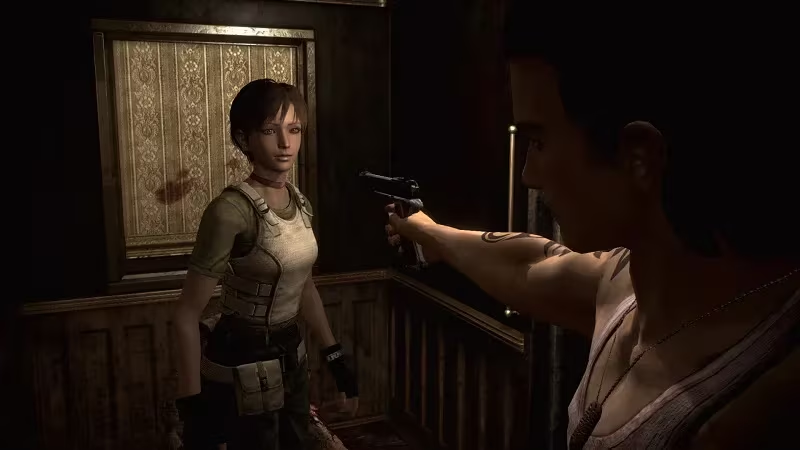
Transitioning the Resident Evil 0 remake to Division 1 fits Capcom’s recent approach of reserving its internal teams for flagship titles and sensitive franchise entries. External or external-affiliated studios typically take on co-development or lower-profile projects. Division 1’s involvement likely indicates that either the remake’s scope has grown or Capcom is cautious about repeating the lukewarm reception Resident Evil 3 received.
The Resident Evil franchise sets a very high bar commercially. Capcom’s latest sales figures show the Resident Evil 2 remake surpassed 15 million copies sold, Resident Evil 4 remake topped 10 million, and single-player adventures like Resident Evil 7 and Village kept the narrative appeal strong. Any modern return to earlier titles must therefore appeal to a broad audience and aim for millions in sales, not just fan service.
Resident Evil 0 faces a tougher challenge. The original game’s popularity trails behind that of the second, fourth, and Code: Veronica entries, meaning its remake needs more than a simple graphics boost. Previous leaks linked the project under the codename Project Chamber, hinting at expanded story elements compared to the 2002 original-a sign Capcom intends to add fresh content rather than just polish the visuals.

Meanwhile, the Code: Veronica remake, reportedly set for release in 2027 under the title Resident Evil Veronica, will arrive on PC, PS5, Xbox Series X and S, and Nintendo Switch 2. Within the fanbase, this game has long been viewed as a prime candidate for a modern rebuild. If Capcom is indeed greenlighting two large-scale remakes simultaneously, it’s expanding its remake strategy beyond the franchise’s most obvious blockbusters.
For Capcom, this approach reflects an established strategy. The company frequently highlights how its catalog and reuse of major franchises fuel growth. Resident Evil remains Capcom’s best-selling brand with over 170 million copies sold worldwide. The Resident Evil 0 remake not only adds a fresh release but also fills out the franchise’s early story, paving the way for future numbered entries.
If the reboot reports hold true, the earliest concrete updates won’t surface until 2027 when Capcom likely unveils its plans following the launch of Resident Evil Veronica. Until then, the key question remains how extensive the remake overhaul will be-Resident Evil 0’s controversial reputation demands more than a neat remaster disguised as a big remake.
Capcom’s decision to hand the project back to Division 1 and potentially take the time to retool the remake signals its awareness that not all Resident Evil titles enjoy equal fan goodwill. As the company presses forward with multiple remakes, balancing fan expectations against commercial viability will shape how these classic entries are reborn for a new generation.