

A team at Monash University says it has found a way to pull lithium out of dried salt deposits with up to 95% efficiency, using ethanol and acetone instead of the water-heavy brine methods that dominate the industry. If it holds up outside the lab, the pitch is simple: faster extraction, less water, and fewer headaches for producers trying to feed the battery boom.
The technique is unusual because it flips the usual lithium workflow on its head. Rather than waiting 18 to 24 months for brine to evaporate in giant ponds, the process lets the salt dry completely and then selectively dissolves the lithium from the solid mass while leaving sodium, potassium, and magnesium behind.
How the dry-salt lithium process works
The chemistry is doing most of the heavy lifting here. Lithium salts, including lithium chloride, dissolve well in alcohols and acetone, while the unwanted salts barely move, so the solvent acts like a filter rather than a bath.
That matters because traditional direct lithium extraction still leans on water for washing sorbents, which is awkward at best in dry regions and wasteful at worst. Monash’s approach avoids that first water-intensive separation step altogether, which is the sort of idea the sector should have chased much earlier.
Why the solvent loop is the clever part
The researchers also built in solar regeneration so the ethanol and acetone can be recovered and reused. According to the source material, more than 99% of the solvent is captured through evaporation and condensation driven by sunlight, which is exactly the kind of practical engineering detail that turns a clever trick into something a plant manager might actually consider.
It also simplifies the cleanup stage. Boron and sulfates, which usually demand extra chemical treatment, are removed earlier in the process, making the output cleaner for battery-grade use.
- Reported lithium recovery: up to 95%
- Solvents used: ethanol and acetone
- Solvent recovery: more than 99%
- Water use for primary separation: none
ElectraLith, Rio Tinto and the Rincon test
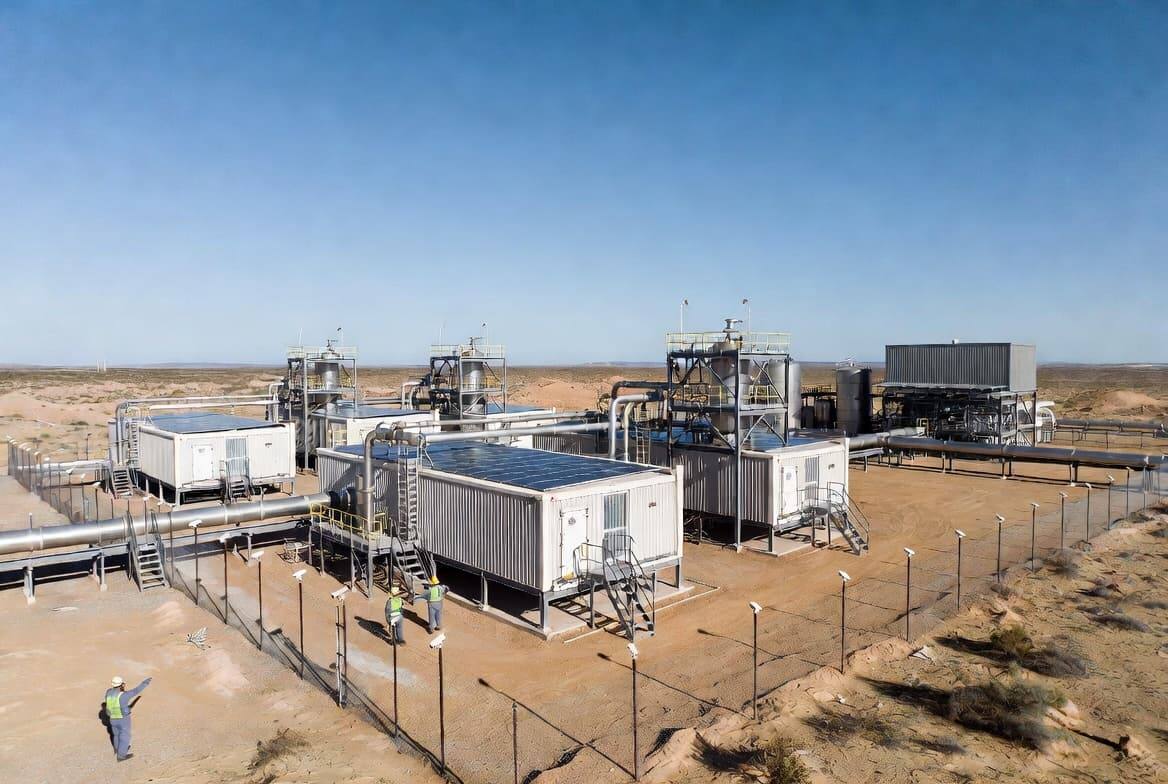
Monash’s commercialization arm, ElectraLith, is handling the push toward industry. The project has already attracted interest from Rio Tinto, and field trials are expected at Rincon in Argentina, a smart place to test whether the chemistry survives contact with real-world salt, dirt, and scale.
The bigger story is that lithium mining is under pressure from both sides: demand keeps rising with electric vehicles and grid storage, while communities and regulators keep asking why such a strategic metal still relies on huge ponds and plenty of water. If this method works outside the lab, it could give miners a cleaner route in regions where the old brine playbook is becoming harder to justify.
What field trials will have to prove
The unanswered question is scale. A process can look elegant on paper and still stumble on throughput, solvent losses, or feedstock variability once it meets industrial volumes. If Rincon delivers the same recovery rates and solvent recycling claims, expect the dry-salt lithium process to move from curiosity to serious competition for conventional brine extraction.