

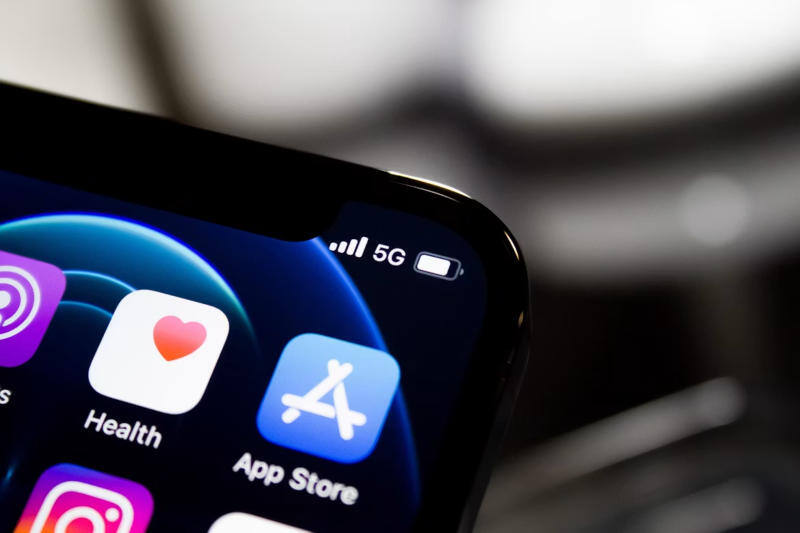
Apple is making a blunt promise to developers: apps that sit in the App Store without being updated, improved, or attracting users may not stay there forever. The company has revised its review guidance and widened the list of app types it considers too crowded or too low-value to keep indefinitely, a move that shifts App Store curation from simple gatekeeping into ongoing housekeeping.
The target is not every neglected app, but the long tail of near-identical utilities and novelty downloads that clog search results. Apple is also pairing the tougher stance with new tools aimed at helping developers bring users back, which is a neat way of saying the store wants fewer dead listings and more active businesses.
Stale App Store apps face removal
Apple has long been picky about copycat apps, especially in overcrowded categories. The company previously warned developers that it would reject apps that offered little beyond what was already available, and it even listed examples ranging from flashlights to dating apps and drinking games. That blunt language has now expanded to include ”wallpapers” and ”simple timers,” both of which are easy to ship and even easier to forget.
The new rule is more aggressive than a one-time rejection. Apple says it may remove existing apps if they are not being updated, improved, or used. In practice, that turns App Store shelf space into a renewable lease rather than permanent real estate, which is bad news for dormant apps and good news for anyone trying to find something that still works.
What Apple is telling developers
The company says higher-quality apps in these categories already have a proven place in the store, while new submissions will need to offer something ”substantially different or improved” to make the cut. Apple also says developers will get warnings before any removal, which should soften the blow a little, though not enough to make a stale app feel safe.
There is also a business angle here. Apple’s WWDC 2025 changes included personalized recommendations and merchandising tools designed to help developers grow their businesses and win back existing users. That is the polished side of the same strategy: promote the apps people actually use, and quietly clear away the ones that no longer deserve prime storefront space. Competitors such as Google Play have spent years fighting the same problem in different ways, so Apple is hardly alone; it is just being more explicit about the cleanup.
Repeated bad submissions could cost more than a listing
Apple’s warning has another edge to it. Developers who repeatedly submit poor-quality apps for review could lose access to the Apple Developer Program altogether. That is a serious escalation, because it moves the issue from one rejected app to the developer’s ability to publish anything at all.
So the message is clear: if your app is a half-baked wallpaper pack, a timer with no real advantage, or just another clone pretending to be original, App Store gravity is working against you. The more interesting question is whether Apple applies this ruthlessly enough to clean up search results, or carefully enough to avoid wiping out legitimate niche tools that simply look boring on paper.