

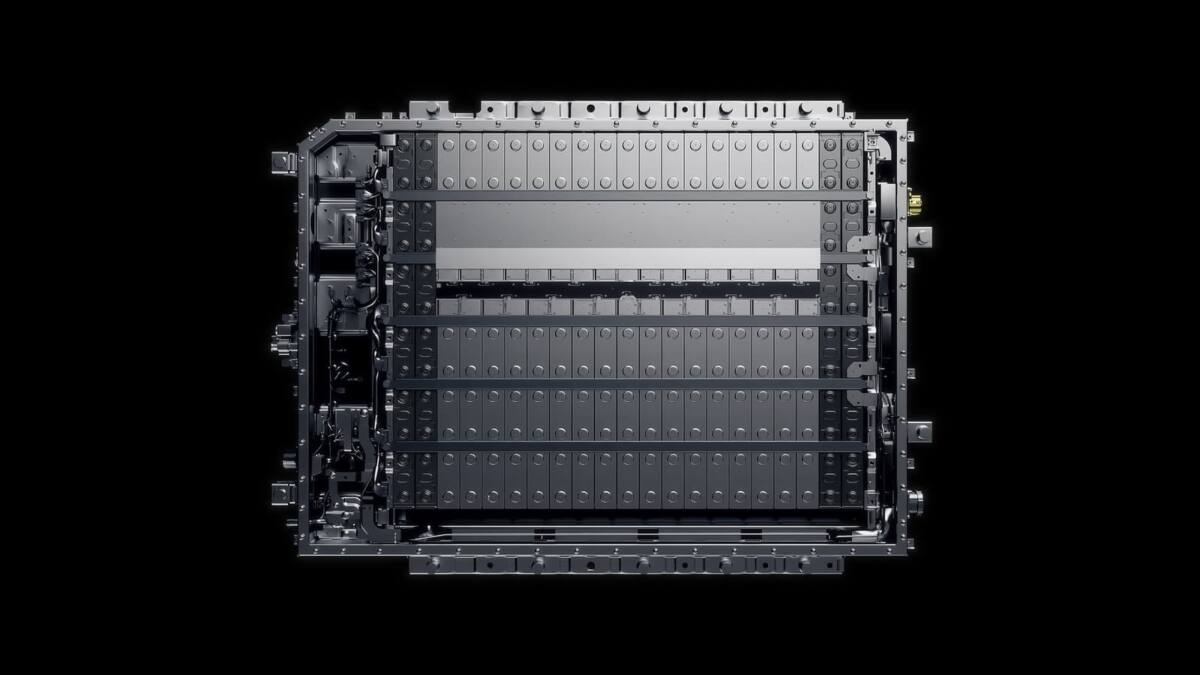
CATL has unveiled a battery-pack architecture that could make EVs, energy storage systems, and battery-swapping networks a lot less fussy about chemistry. The new ”One Shell, Two Cells” platform is designed to fit both lithium-ion and sodium-ion cells inside the same standardized casing, which is the sort of boring-sounding change that can quietly reshape how batteries are built, shipped, and serviced.
The pitch is simple: keep the outer dimensions the same, swap the internals. For automakers, that means less redesign work when moving between lithium-ion and sodium-ion variants. For operators running battery-swap stations, it could mean one physical infrastructure serving different chemistries depending on climate and use case.
One shell, two chemistries
CATL described the platform at an industry event organized by China’s Ministry of Industry and Information Technology information center. The company’s bet is that standardization will lower the friction that has slowed sodium-ion adoption, especially outside pilot projects and one-off demonstrations.
That matters because battery makers have been trapped in a trade-off for years: lithium-ion is mature and everywhere, while sodium-ion promises better cold-weather performance and easier access to raw materials, but has lacked a clean route into mainstream vehicles. A shared shell does not solve chemistry, but it does remove one of the ugliest integration headaches.
CATL’s cold-weather advantage for sodium-ion
The real selling point is winter. CATL says sodium-ion cells stay more stable in low temperatures, while ordinary lithium iron phosphate batteries lose efficiency, charge more slowly, and give up some usable capacity in the cold. That makes sodium-ion especially attractive for northern regions, where range anxiety gets worse the moment the thermometer drops.
- Standardized pack housing for lithium-ion and sodium-ion cells
- Better low-temperature stability for sodium-ion batteries
- Potential use in EVs, energy storage, and battery-swapping networks
- Reported battery life of 15,000 charge-discharge cycles
15,000 cycles and a 20-year pitch
CATL and materials maker Ronbay Technology said the technology has reached 15,000 charge-discharge cycles. For stationary storage, that translates into a possible service life of up to 20 years without major performance loss, which is exactly the sort of number utilities and grid operators like to hear.
There is also a supply-chain angle here. Wanhua Chemical said it has developed synthetic materials for hard-carbon anodes from resin and coal, a move aimed at reducing dependence on imported raw materials. China is clearly trying to turn sodium-ion from a lab curiosity into something with domestic manufacturing muscle behind it.
Where sodium-ion goes first
CATL has said commercial shipments of sodium-ion energy-storage systems are planned before the end of the year, while company scientist Wu Kai previously said future versions could support EV range up to 600 kilometers. Lithium-ion will still dominate passenger EVs for now, but sodium-ion is starting to look like a practical second lane: cheaper, tougher in the cold, and less dependent on scarce materials.
The open question is speed. If CATL can get automakers and swap-station operators to actually build around this shared architecture, sodium-ion could move from promising side project to a real industrial niche much faster than most battery rivals expected.