

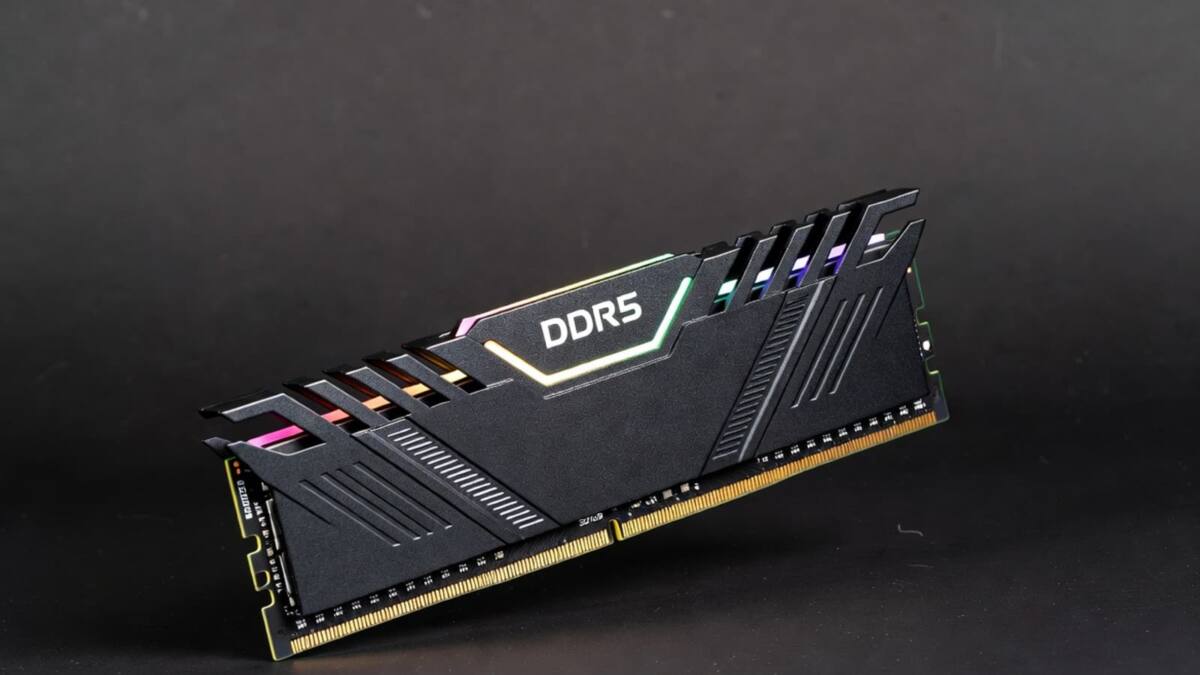
DDR5 memory prices are getting a familiar lesson in supply and demand, except this one comes with a nasty AI twist. Wholesale prices for a 16 GB DDR5 desktop module in China have climbed to about $35, up 6% from the previous month and marking a fourth straight month of increases. Six months ago, that same module was around $10.
The squeeze is not limited to DDR5. Wholesale prices for 8 GB DDR4 modules rose roughly 2x between April and June versus the peak from the previous quarter, which is the sort of move that makes budget PC builders wince and laptop makers reach for the calculator. Memory markets have always been cyclical, but this round is being pushed harder by the AI boom than by the usual inventory games.
Why AI is pulling memory away from PCs
The core problem is profit. HBM, the memory used in AI systems, is far more lucrative for chipmakers than ordinary DDR5 and DDR4, so the big three DRAM suppliers – Samsung Electronics, SK Hynix, and Micron – are prioritizing HBM output and trimming capacity for general-purpose memory. That leaves fewer chips for the rest of the market, which is a polite way of saying everyone outside the AI gold rush pays more.
This is the same playbook that has distorted other parts of the semiconductor chain: where margins are richest, manufacturing follows. For PC buyers, that usually means higher prices first, then slower relief than anyone would like.
DDR5 and DDR4 price moves in plain numbers
- 16 GB DDR5 module in China: about $35
- Monthly increase: 6%
- Consecutive months of growth: 4
- Price six months ago: about $10
- 8 GB DDR4 modules: about 2x higher from April to June versus the previous quarter’s peak
What happens if DRAM makers keep chasing HBM
If AI demand stays hot, the pressure on consumer memory is likely to keep building rather than fade quickly. That is especially awkward for PC vendors heading into product refresh cycles, because memory is one of those components that can quietly blow up a bill of materials and ruin a tidy pricing plan. The market may eventually rebalance, but for now the winners are the HBM suppliers and the losers are anyone shopping for a desktop upgrade on a budget.