

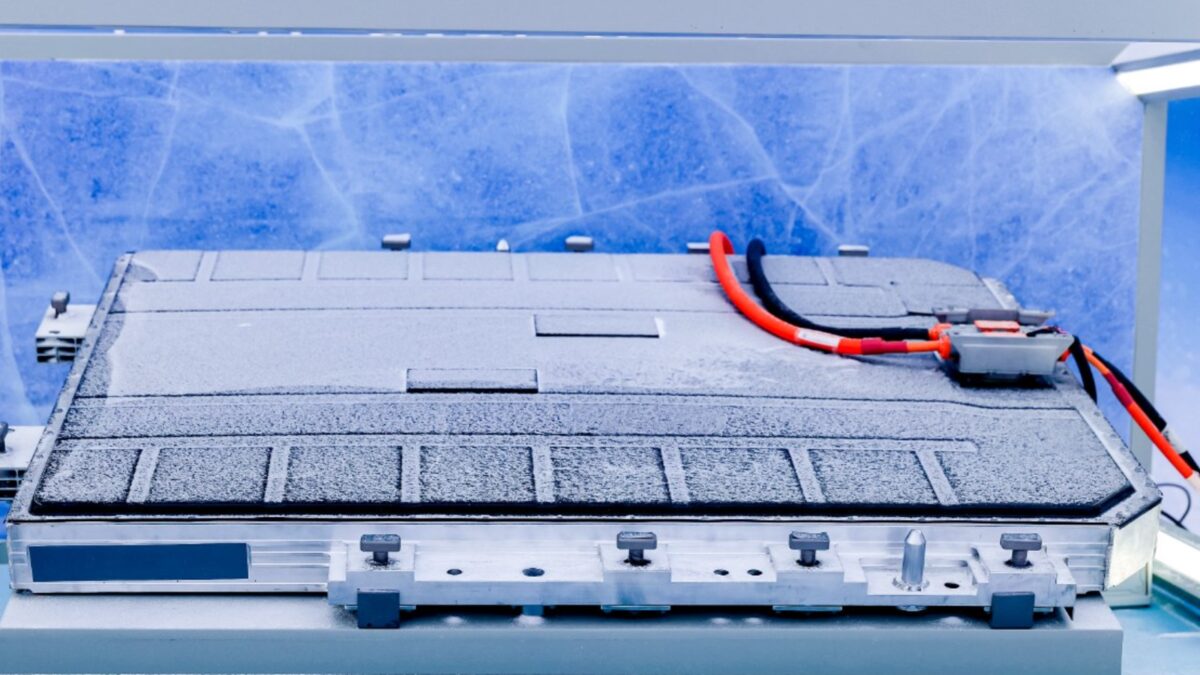
CATL says sodium-ion batteries are finally leaving the lab and heading for real customers. The company plans to begin shipments of stationary energy storage systems using sodium batteries in September 2026, with volumes reaching gigawatt-hours by the end of the year. That does not kill lithium, despite the headline-grabbing temptation, but it does give utilities and lower-cost EV makers a cheaper chemistry to pressure-test.
The Chinese giant’s energy-storage technology chief, Lin Jizhao, said CATL is ready for serial production and sees 2026 as the commercial launch year. That matters because the sector has spent years treating sodium-ion as the promising understudy: useful in theory, forever waiting for better performance and manufacturing scale.
Why sodium-ion batteries are suddenly viable
Sodium has one very annoying advantage over lithium: it is everywhere. It can be derived from common salt or seawater, which makes the raw-material story far less painful than the one behind lithium supply chains. For buyers, that usually translates into lower costs, even if the chemistry still gives up some energy density.
CATL has also helped fix the manufacturing side. A key ingredient, hard-carbon anodes, has now reached mass production, which is a boring sentence with very exciting consequences for cost and volume. In battery business terms, boring is beautiful.
From 2021 cells to Naxtra
The roadmap has been visible for a while. CATL showed its first-generation sodium-ion cells in 2021, then unveiled a second generation under the Naxtra brand in April 2025. At that point, the company said the technology would not stay confined to grid storage and could also be used in electric transport and battery-swapping systems.
That broader push fits a wider industry pattern: battery makers are splitting the market by use case instead of pretending one chemistry can do everything. LFP remains the mainstream low-cost option for many EVs, but sodium-ion is now arriving as a credible alternative where range is less important than price and supply stability.
Where CATL expects the first demand
The first obvious destination is large stationary storage paired with solar and wind farms, where cost per kilowatt-hour, durability, and load tolerance matter more than packing every last electron into a compact pack. That is a sensible starting point, and probably the least glamorous one too.
After that, CATL is eyeing inexpensive short-range EVs. If sodium-ion can carve out even a modest share of that segment, it will not replace lithium’s dominance overnight, but it could force a few uncomfortable pricing conversations across the industry. The bigger question now is whether other battery makers can scale fast enough to stop CATL from defining the category before anyone else does.