

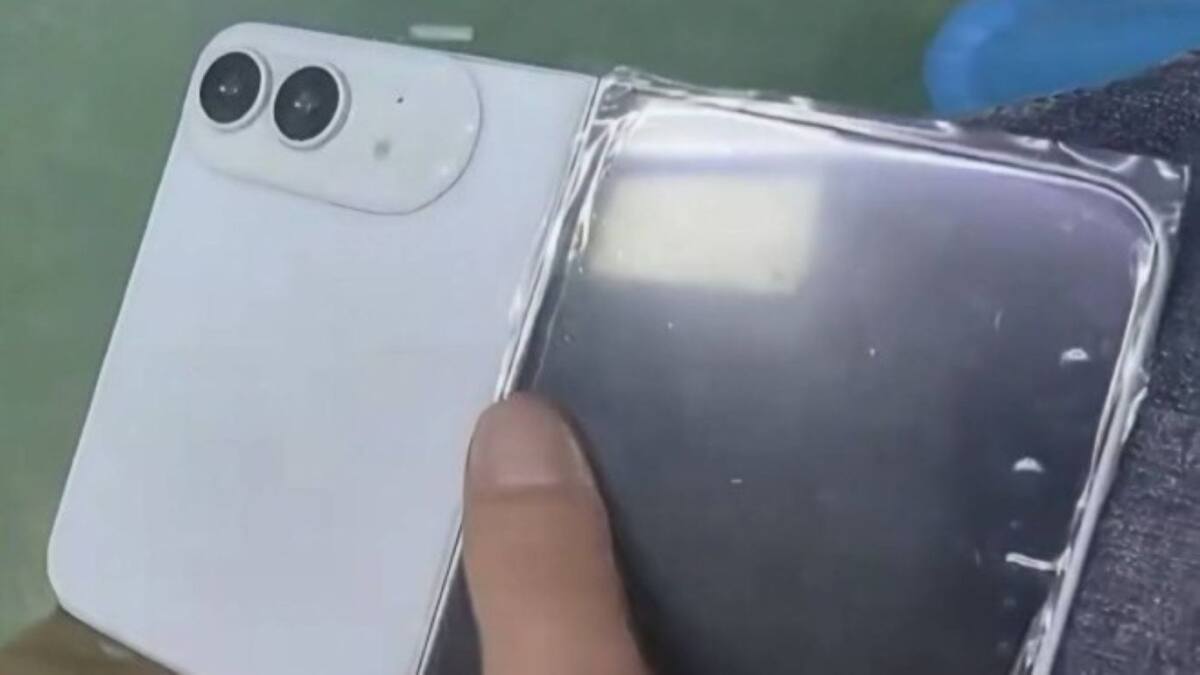
Apple’s first foldable iPhone is being shaped like a very Apple problem to solve: make it thin, make it durable, and somehow stop it from cooking itself. A new leak says the alleged iPhone Ultra could use vapor chamber cooling and a liquid metal hinge, two hardware choices aimed at the exact pain points that have dogged most foldables so far.
That combination would also fit Apple’s usual playbook. Where rivals have often shipped folding phones that feel like a trade-off between sleekness and survival, Apple appears to be leaning on thermal control and hinge engineering before it even shows the thing off. Prototypes have reportedly already been sent to global carriers for testing, which is a pretty strong sign that this is moving beyond fantasy-leak territory.
Vapor chamber cooling and liquid metal hinge
According to Weibo tipster Fixed Focus Digital, the foldable is expected to use the same kind of vapor chamber technology Apple brought to the iPhone 17 Pro series. That would make sense if the device really does unfold to a panel measuring roughly 4.5mm to 5mm, because ultra-thin hardware leaves very little room for heat to go anywhere useful.
The leak also repeats the claim that Apple will use a liquid metal hinge. In theory, that should improve durability and flexibility compared with more conventional hinge parts, while also helping reduce the visibility of the crease that still makes many foldables look like they were assembled in a hurry.
Screen size, chip and camera details
Other rumored specs paint this as a premium, no-compromise device rather than a curiosity project. The iPhone Ultra is said to include a roughly 7.8-inch to 8-inch inner display, a smaller outer screen, Apple’s A20-series chip, Touch ID, and a dual rear camera setup. Folded thickness is reportedly around 9mm to 9.5mm.
- Inner display: roughly 7.8-inch to 8-inch
- Outer screen: smaller cover display
- Chip: Apple A20-series
- Authentication: Touch ID
- Rear cameras: dual setup
September 2026 launch and $2,000 price tag
Current rumors point to a September 2026 launch alongside the iPhone 18 Pro lineup, with pricing starting at around $2,000. That puts Apple right where the foldable market already lives: at the expensive end, where buyers expect fewer gimmicks and more engineering polish. Samsung and other rivals have spent years normalizing premium foldables, but Apple’s real advantage would be making the category feel inevitable rather than experimental.
As always, these are supply chain whispers rather than confirmed product details. But if the leaks are directionally right, Apple is focusing on the three things that matter most for a foldable people might actually keep using: heat management, hinge durability, and reducing the usual foldable compromises before they become excuses.