

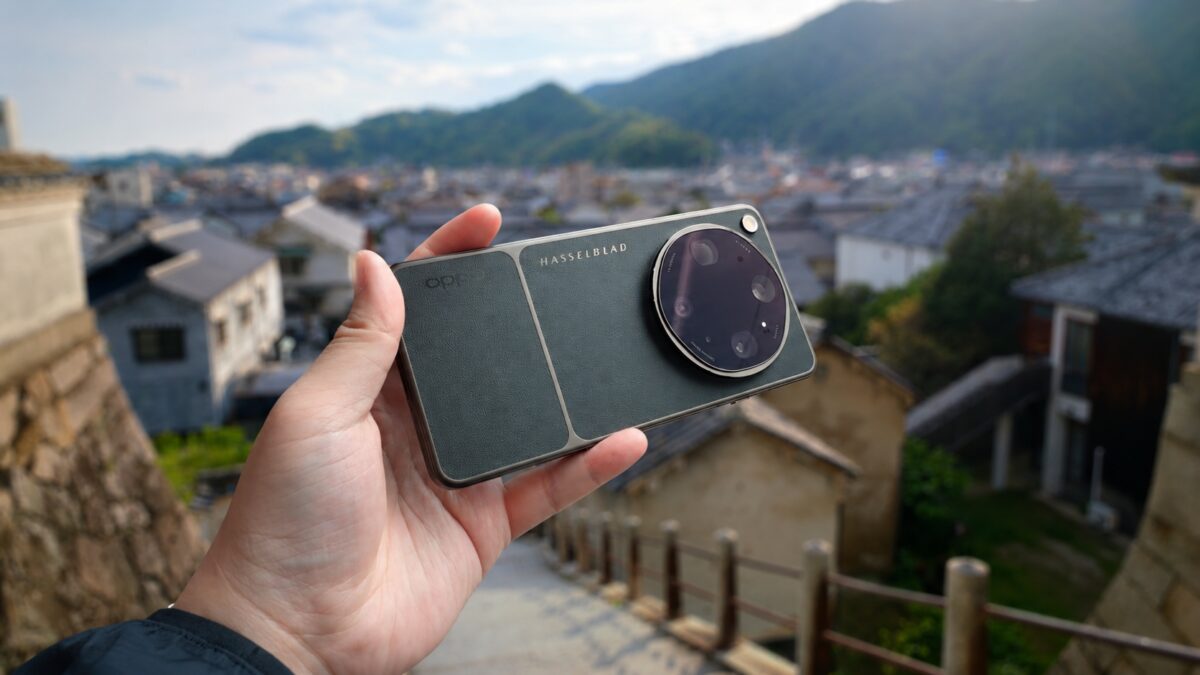
The OPPO Find X9 Ultra camera test comes away from a five-day Japan trip looking like a near-ideal travel phone with one stubborn flaw: its cameras are excellent enough to replace a bag full of glass, but the ultra-wide lens still feels like the system’s weak link. After more than a thousand photos, the verdict is pretty clear – OPPO has built one of the most flexible smartphone camera setups around, and then left the widest camera to do the ugly work.
That matters because this is no longer a story about one good main camera. The Find X9 Ultra’s appeal is the full spread of focal lengths, from 23mm to 230mm, with a 70mm telephoto in the middle doing a lot of the heavy lifting. That’s the sort of range travelers and street shooters actually use, which is why the phone feels smarter than the usual megapixel arms race.
Master Mode versus default processing
The camera app’s split personality is easy to spot. Master Mode leans into lower exposure, lighter processing, and a more cinematic look, especially at dusk, while the default mode goes hard on HDR, sharpening, and saturation. Sometimes that aggressive treatment helps; just as often it makes daylight shots look flat or turns night scenes into something with odd color artifacts in the shadows.
The practical takeaway is simple: if you want photos that look closer to real life, Master Mode is the safer bet. The default setting is the one you use when you want the phone to shout over the scene.
The 23mm main camera and 70mm star
The 23mm main camera uses a 200MP sensor and can switch to a 28MP High Resolution mode in good light. In the trip photos, it handled low-light scenes so well that it caught details the human eye could barely make out, which is exactly the kind of flex that sells a camera phone without much help from marketing copy.
The surprise hero is the 70mm camera. It sits between the main sensor and the long telephoto, but calling it a bridge feels like underselling it. With its large sensor and big aperture, it produced strong background blur and stayed impressively sharp even after dark, which is why it reads less like a compromise and more like the lens people will use most often.
230mm and 14mm show the trade-offs
The 230mm periscope lens is powerful, but it is also where the optical compromises start to show. Color fringing and softness appear when you zoom in, and the lens seems to rely on the sensor and software to carry a load the optics never fully solve. Still, In-Sensor Zoom stretches it to 460mm, which makes bird shots and faraway details far more practical than they have any right to be on a phone.
- 23mm main camera: 200MP sensor, 28MP High Resolution mode in good light
- 70mm camera: the strongest all-round lens in the set, with strong blur and solid night performance
- 230mm telephoto: useful reach, but visible fringing and softness when inspected closely
- 14mm ultra-wide: improved over the Find X8 Ultra, but still the weakest camera in the group
The 14mm ultra-wide is the one lens OPPO clearly sacrificed to make room for the telephoto system. It is better than the one on the Find X8 Ultra, but it still suffers from purple fringing, weaker night shots, and no OIS, so blurry frames show up fast. That trade-off makes sense for a phone aimed at travel photography, since most people will lean on the main and telephoto cameras far more often anyway.
Photography kit price and video performance
OPPO’s photography kit and teleconverter sound fun until the price lands. They are bundled with the 1TB version of the phone for nearly $1800, and the grip is more stylish than comfortable, with a shallow hold and only a shutter key and zoom lever. Competitors like Xiaomi and vivo may still have the more practical accessories, but OPPO has the more ambitious idea.
Video follows the same pattern. The 4K 30fps clips, shot with the highest bitrate and converted from O-Log2 back to Rec.709 without color grading, look very strong overall, but the ultra-wide camera again drags things down with fringing, weaker dynamic range, and much noisier night footage. The rest of the system, though, looks ready for serious travel use.
The bigger question is whether a global version that could exceed $2000 can keep its appeal once the novelty wears off. My guess: enthusiasts will love the focal-length flexibility, while everyone else will decide that great travel photos are easier to justify than a very expensive phone with a very impressive zoom.