

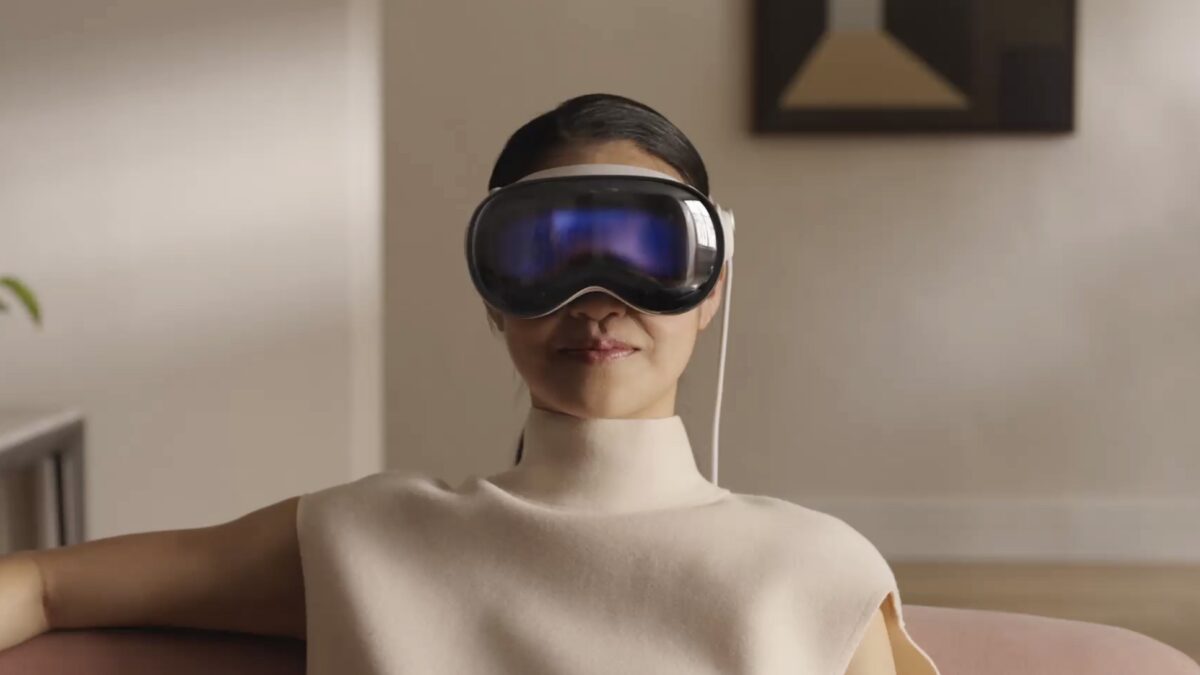
Apple has quietly made a sharp turn in its headset strategy: according to analyst Ming-Chi Kuo, the company has pulled Vision Pro successors off the active roadmap and pushed resources toward Apple smart glasses, a move that could define John Ternus’s tenure before he even officially takes over on September 1. The new priority is a display-free pair of glasses aimed at late 2027, while a more advanced AR model has slipped to 2029.
That is a pretty clean admission that the first wave of spatial computing never became the consumer hit Apple wanted. It also puts Apple on a collision course with Meta, which has already turned Ray-Ban glasses into a real business, while Google and Samsung are circling the same category from different angles.
Apple smart glasses roadmap
Kuo says his earlier list of seven head-mounted Apple products is now obsolete. In the new version, only two remain: the late-2027 smart glasses and the higher-end AR model with optical waveguide displays, now expected in 2029. The Vision Pro successors and Vision Air are out, at least for now, and Kuo says Ternus approved the pivot some time ago.
The smart glasses product Apple is said to be building, internally referred to as N50, skips a display entirely and relies on cameras, microphones, speakers, and Siri. That makes it much closer to Meta’s formula than to the original Vision Pro pitch, which always felt more like a developer platform in a very expensive helmet than a product for regular people.
- Target launch: late 2027
- Display: none on the first model
- Inputs: cameras, microphones, speakers
- Voice control: Siri
- Expected price: $200 to $500
Why Vision Pro lost the internal fight
The math is not subtle. Vision Pro launched at $3,499, shipped with an external battery pack, and sold 45,000 units in the 2025 holiday quarter. That is respectable for a technology demo and brutal for a product category Apple would normally want to turn into a cultural event.
Bloomberg’s Mark Gurman says a Vision Pro successor is still in testing, but the category is effectively ”on ice” and unlikely to return before 2028 or 2029. Apple may still keep the idea alive in a lab, but the money, talent, and attention now appear to be flowing toward the smaller, cheaper product with actual mass-market odds.
Meta, Google and Samsung are already there
This is where Apple’s timing gets awkward. Meta’s Ray-Ban glasses reportedly tripled sales in 2025, which is exactly the kind of traction Apple has wanted from wearables that do more than count steps. Google is also back in the category, and Samsung is working on its own pair, so Apple is no longer entering a blank market where it can define the rules.
That does not make Apple late in the same way a discount Android clone would be late. It means Apple is now chasing a form factor that other companies have already made legible to normal buyers, which is usually when Cupertino starts caring a lot more about polish, privacy, and ecosystem lock-in than about being first.
What Apple smart glasses need to get right
The open question is whether Apple can turn smart glasses into an everyday accessory instead of another aspirational gadget. If the first model lands near the rumored $200 to $500 range and feels as unthreatening as regular eyewear, Apple may finally have a product that normal people will wear outside a keynote. If not, the company could end up proving the same lesson twice: the future is exciting, but not every future deserves a $3,499 prototype.