

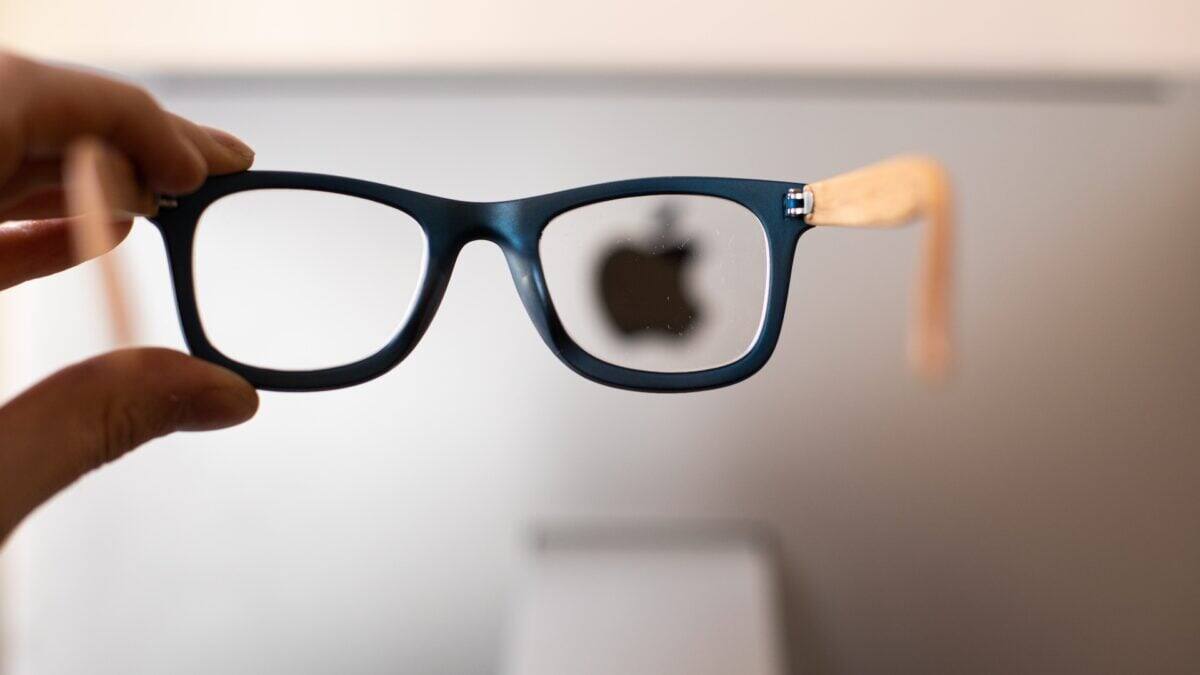
Apple is reportedly taking a direct shot at Meta’s Ray-Ban smart glasses, with its own camera-equipped frames now expected in late 2027 after earlier plans slipped. The Apple smart glasses timing matters: Meta’s wearables are selling fast, Apple wants another AirPods-style hit, and the company is betting that even privacy complaints won’t stop people from putting recording hardware on their faces.
That’s the uncomfortable part of the story. Smart glasses are still normalizing faster than many people seem ready to admit, even as public unease around covert recording keeps simmering in the background. Apple’s answer is not to avoid the category, but to enter it with a more mainstream product and a lower-friction pitch.
Apple smart glasses are slipping to late 2027
According to Bloomberg’s Mark Gurman, Apple’s first smart glasses, internally known as ”N50,” were once expected to be shown by the end of 2026 and sold in early 2027. Development delays have pushed that timetable back to later in 2027, which is classic Apple: announce the future, then spend more time building it than talking about it.
Tim Cook is said to be treating the project as a top priority before handing the reins to John Ternus on September 1. Ternus has been leading Apple’s Vision Products Group for the past two years, which means this is not some skunkworks fantasy; it is a real product line being built by the same hardware machine that delivered the Vision Pro and, before that, the Apple Watch.
What Apple smart glasses will do
The reported glasses are aimed at the same use case that made Meta’s version click with consumers: music, calls, photos, videos, and voice assistance without pulling out a phone. They are expected to cost between $200 and $500, come in multiple styles, and include built-in cameras, speakers, and microphones.
- Built-in cameras for photos and video
- Speakers and microphones for calls, music, podcasts, and Siri prompts
- Multiple frame styles instead of a single look
- Oval camera cutouts rather than the circular ones on Meta’s current models
One thing they apparently will not have, at least at launch, is in-screen AR display tech. That makes sense: Apple has already learned with Vision Pro that expensive, ambitious hardware can generate headlines without instantly becoming a mass-market habit. Smart glasses need to be simpler, cheaper, and easier to wear than a headset you can practically hear complaining back at you.
Meta’s lead is still the one to beat
Apple is entering a category that Meta has already helped legitimize. EssilorLuxottica, which owns Ray-Ban, said sales of the wearables tripled in 2025 from the previous year, a sign that the category has moved beyond novelty for early adopters. The larger point is simple: if a product once dismissed as nerd cosplay can actually sell, Apple is going to want its cut.
That also explains the strategic split. Meta’s glasses have leaned into social capture and always-available cameras, while Apple is likely to sell a more polished version of the same behavior to a broader audience. The privacy anxiety is the same either way; the branding just gets better fonts.
The real test for face computers
Apple’s smartwatch business now generates an estimated $17 billion annually, which is why the company keeps chasing new wearable categories instead of just polishing the old ones. Smart glasses could become the next big thing if they feel like useful accessories instead of tiny surveillance devices with a fashion problem.
The open question is whether Apple can make that trade-off feel invisible enough for buyers to stop worrying about it. If it can, late 2027 could look less like a delayed launch and more like the moment smart glasses stop being a niche habit and start becoming the next awkwardly normal thing everyone wears in public.