

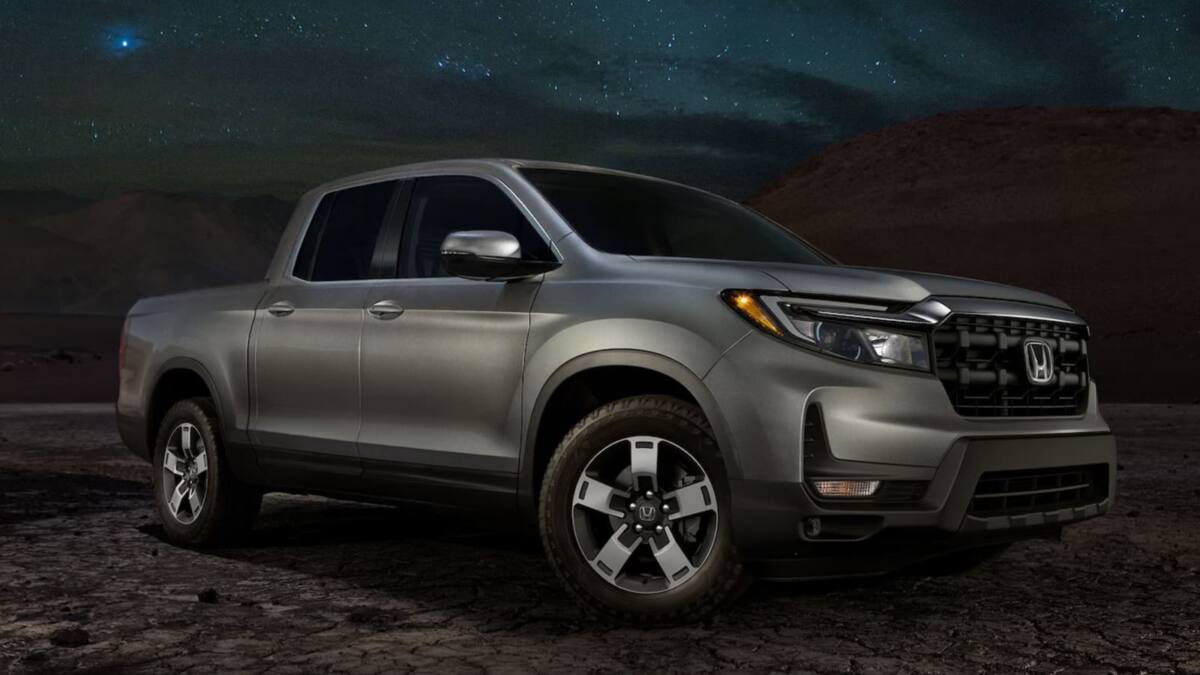
Honda is taking an unusual route with the Ridgeline: stopping production for about 1.5 years, reworking the truck, and bringing it back in the third quarter of 2028 with a redesigned body and a new V6. The break begins after production ends in the fourth quarter of 2026 at Honda’s Alabama plant, while the freed-up capacity goes to the Passport and Odyssey. It is a blunt admission that the current truck needs more than a mid-cycle polish.
Honda is pausing Ridgeline production to meet tighter emissions rules, and the new engine is part of that plan. For a vehicle that has always sold in smaller numbers than the big-name body-on-frame pickups, the company is effectively betting that a cleaner powertrain and a broader redesign can give the truck a second life rather than another quiet update.
Ridgeline production ends in late 2026
The timeline is stark. Honda plans to end Ridgeline production in the fourth quarter of 2026 and restart it only in the third quarter of 2028. That leaves dealers, and buyers who like Honda’s more car-like pickup formula, with a long gap to wait through – a risky move, but one that also gives the company room to reset the model instead of forcing a half-measure refresh.
Honda says the Ridgeline still matters to its lineup, which is corporate language for ”don’t call this a cancellation.” That distinction matters because the truck market is crowded, and shrinking share is usually punished hard unless a brand can come back with something meaningfully better than what it had before.
Honda Ridgeline production pause and 2028 redesign
- Updated exterior design
- Component changes across the model
- Modernized V6 engine for stricter emissions rules
Honda has not given away the full spec sheet, but the direction is clear enough. This is not just about making the Ridgeline look fresher; it is about making it compliant, more competitive, and less vulnerable to being squeezed between traditional pickups and crossover-based utility vehicles.
The sales gap Honda has to close
The numbers explain the urgency. In the first quarter of 2026, Honda sold 10,980 Ridgeline pickups in the US. Toyota sold more than 69,000 Tacomas over the same period. That is not a small gap; it is a different league entirely, and it shows why Honda is willing to sacrifice short-term volume for a more serious reset.
The bigger question is whether a late-2028 return with a cleaner V6 and a fresh design is enough to matter in a segment that rewards toughness, towing cred, and constant product updates. Honda’s bet is that the Ridgeline can stay unusual and still win more buyers. The market will answer that fast enough once production resumes.