

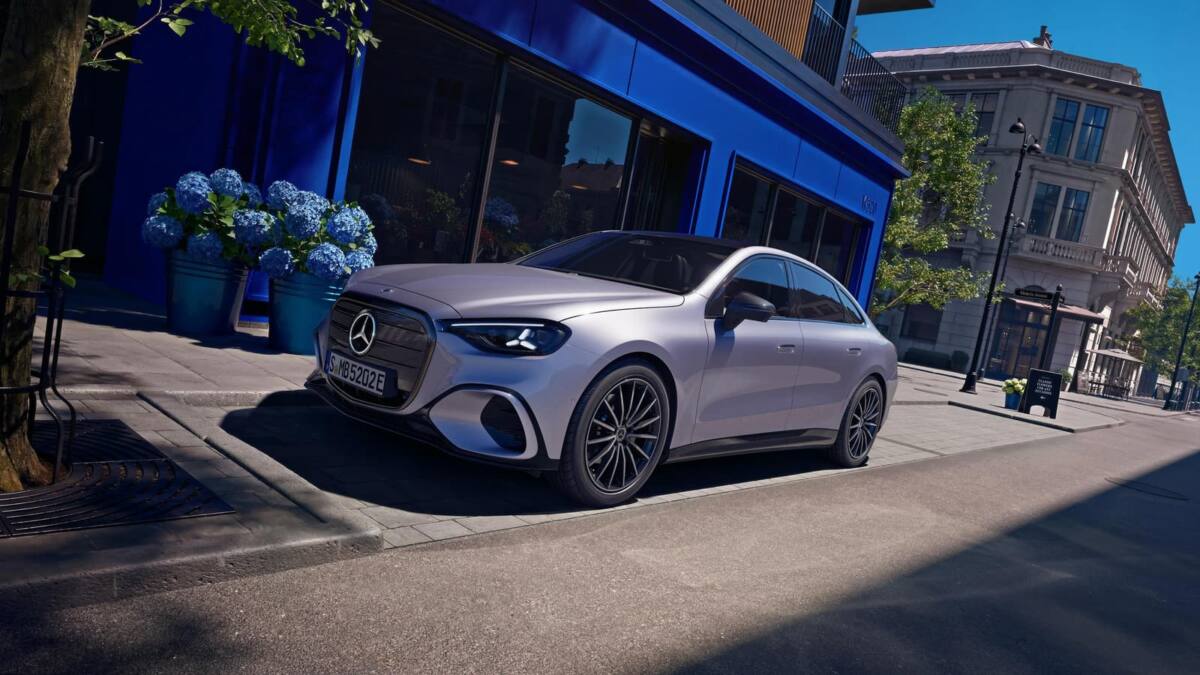
Aito has taken the top spot in China’s latest smart car brand ranking. In J.D. Power’s 2026 Tech Experience Index, the Huawei-backed brand finished first overall, while Mercedes-Benz led the premium gasoline segment – a reminder that in-car tech is now a brand battleground, not just a spec-sheet flex.
The numbers are broad enough to matter. J.D. Power China surveyed 32,813 owners of new vehicles bought from May 2025 to February 2026, covering 255 models across 81 Chinese cities. The average TXI score climbed to 658, but the study also says execution slipped for the first time in four years, with more complaints about unstable assistant performance. Fancy features are easy to advertise; making them behave is harder.
Aito, Denza and Zeekr lead the smart car brand ranking
Aito scored 815 points, ahead of Denza on 806. Zeekr followed on 794, with Avatr at 787, Li Auto at 786, and Xiaomi at 782. That’s a tight group at the top, but Aito’s margin is still big enough to look like more than a statistical fluke.
For Chinese buyers, the ranking also shows how quickly the smart-car label has shifted from a novelty to a basic expectation. Brands now win by making voice assistants, driver aids, and connected services feel reliable every day – not just impressive during a demo.
Mercedes-Benz leads premium gasoline brands
Among premium models with internal combustion engines, Mercedes-Benz came out on top with 703 points. BMW followed on 683, Porsche on 680, and SAIC Audi on 668.
In the mass-market gasoline category, Tank led with 668 points, then GAC on 637, Changan and Chery tied on 635, Jetour on 634, and Lynk & Co on 633.
- Haval: 631
- Geely: 629
- Buick: 622
- Hongqi: 614
- BAIC: 613
- Changan Ford: 610
The competitive gap is no longer about who has tech features at all; it’s about whose software feels less annoying after six months of ownership.
Software performance is now the real test
This is the part carmakers hate. A flashy assistant can impress in a showroom, but unstable performance turns smart features into expensive clutter once buyers live with them. If J.D. Power’s latest data is any guide, the winners are the brands that can make the car feel less like a gadget and more like a tool.
Expect that gap to keep shaping the Chinese market. As electric and connected models spread, the brands that pair strong hardware with fewer software headaches will keep climbing – and the ones leaning too hard on marketing will keep getting called out by their own owners.