

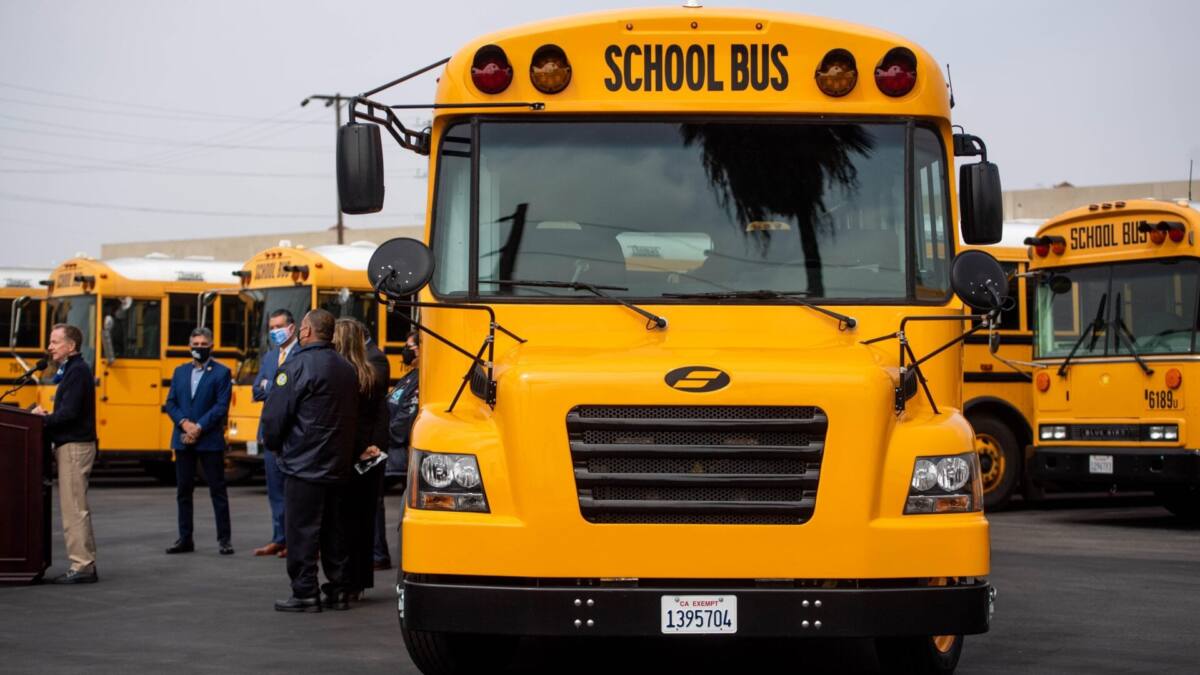
BusPatrol is now testing a broader school bus license plate scanner system that records every license plate it sees and shares the data with law enforcement. The company is already installed on school buses across the country, where it markets AI cameras as a way to catch drivers who blow past a bus with its stop arm out.
That is a much bigger ask than ”protect the kids.” It turns a vehicle built for picking up children into a mobile surveillance platform, and the pitch lands in a country where automatic plate readers already draw fire for overreach, loose sharing, and weak public oversight.
From stop-arm enforcement to blanket plate capture
BusPatrol says its cameras are installed on more than 40,000 buses in 24 states and are watching more than two million students. The original use case is straightforward enough: record a stop-arm violation, identify the plate, and send it to police so a fine can follow. The problem, according to a report from 404 Media, is that the company is now testing a system that photographs every passing vehicle, logs the plate, and attaches GPS coordinates to the image.
That matters because the scope changes everything. A tool aimed at one clear traffic offense can be sold as public safety; a rolling database of where cars traveled near schools starts to look like dragnet policing with a nicer logo. Bloomberg previously found no meaningful drop in collisions near buses equipped with BusPatrol gear, which makes the business logic for expansion look less like necessity and more like a search for a new revenue stream.
Why police want another ALPR feed
Law enforcement already loves license-plate data because it is cheap, searchable, and politically easy to defend. The trouble is that these systems tend to spread far beyond their original justification. Flock Safety, the better-known name in this space, has already faced criticism over police sharing camera data with ICE and using plate searches in abortion-related investigations in Texas.
BusPatrol would add a twist: the cameras move. A fixed reader on a pole is one thing; a system riding around on school routes is a different beast entirely, quietly collecting location traces along thousands of daily trips. If the report is accurate, police would be able to access the information without a warrant, which is exactly the sort of arrangement that invites abuse before anyone has time to write a policy memo.
- Current pitch: catch drivers who illegally pass a bus stop arm.
- New test: photograph every passing car, read the plate, and log GPS data.
- Reported status: a small pilot on a few buses, with a broader rollout planned.
A safety argument that keeps stretching
The sales pitch is familiar: children’s safety first, questions later. That framing is powerful, because who wants to argue against protecting schoolkids? But the more a camera system broadens from a specific traffic offense to constant plate collection, the more it depends on public trust that has to be earned, not assumed. In the ALPR business, that trust is already in short supply.
The uncomfortable part is that BusPatrol may not need to prove broad benefits to keep growing. If enough districts accept the idea that school buses can double as surveillance nodes, the company gets the best of both worlds: a safety brand and a law-enforcement product. The question now is whether parents, districts, and local officials are willing to buy the package once they understand what is actually on the bus.